
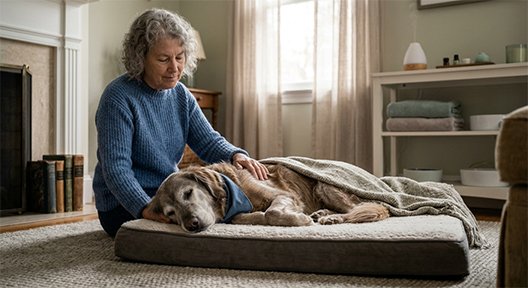
As our dogs grow older, the world can start to feel like a very different place.
Stairs they once climbed without thinking may now seem daunting. Familiar rooms can feel confusing if their eyesight is fading. Everyday noises may startle them if their hearing has changed, and discomfort from arthritis or other age-related issues can make it harder to relax.
For many senior dogs, anxiety isn’t just emotional — it’s often the result of physical and mental changes that make daily life more challenging.
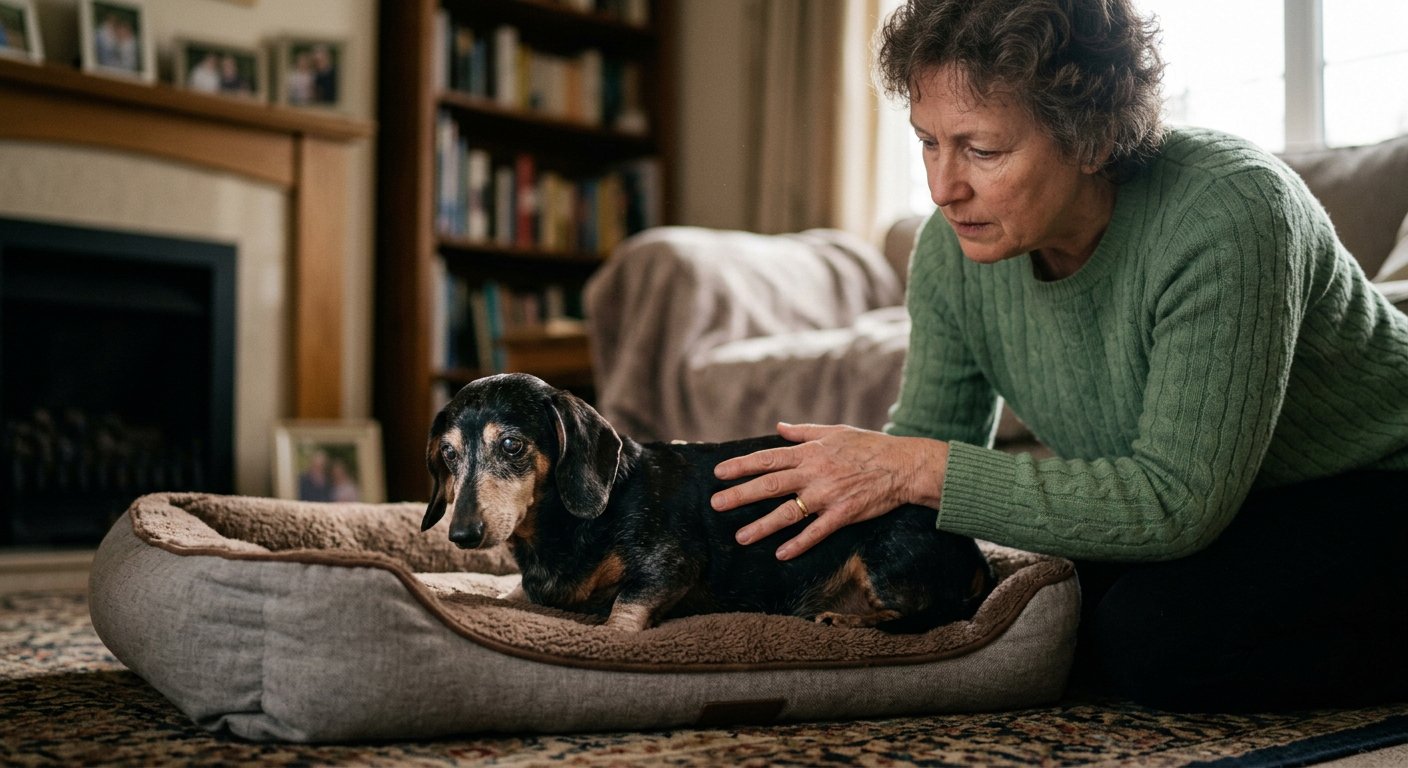
The good news is that small adjustments around your home can make a real difference. You don’t need expensive renovations or dozens of new products. Thoughtful changes to lighting, flooring, routines, sleeping areas, and daily interactions can help your dog feel safer, more confident, and more relaxed.
This guide walks you through practical, affordable ways to reduce stress and create a calm home for an anxious senior dog that supports your senior dog’s changing needs.
At a Glance
| Quick Facts | |
|---|---|
| Your dog’s environment can significantly influence anxiety levels. | |
| Small changes often have a greater impact than expensive products. | |
| Consistent routines help many anxious senior dogs feel secure. | |
| Good lighting, comfortable bedding, and safe flooring reduce stress. | |
| Every dog is different—observe what helps your own companion most. | |
| Home changes work best alongside appropriate veterinary care. |
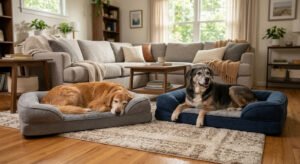
Why Your Home Environment Matters More Than You Think
Dogs experience the world differently than we do.
They rely heavily on routine, familiar scents, predictable surroundings, and confidence in their ability to move safely through their environment.
As they age, even small changes can become surprisingly stressful.
Imagine suddenly losing some of your hearing, your eyesight becoming blurry, and every step causing stiffness in your joints. You’d probably feel more cautious too.
Senior dogs often experience several age-related changes at the same time, making everyday life more challenging than it appears from the outside.
Your home should become a place that reduces uncertainty—not adds to it.
The goal isn’t to eliminate every source of stress. That’s impossible.
Instead, aim to create an environment where your dog feels safe, comfortable, and able to navigate daily life with confidence.
Simply Chea Tip
When owners think about helping an anxious dog, they often focus on supplements or medications first.
Those treatments certainly have a place for some dogs, but don’t overlook the environment.
Sometimes the biggest improvements come from simple changes such as better lighting, softer bedding, less clutter, or a more predictable daily routine.
Practical Help for Your Senior Dog
If you’re looking for practical ways to make daily life easier for an aging dog, we’ve organized our recommended senior-dog essentials by comfort, mobility, joint support, and enrichment.
→ Explore the Senior Dog Essentials Guide
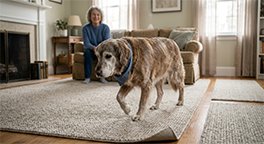
Signs Your Home May Be Increasing Your Dog’s Anxiety
Many homes unintentionally create extra challenges for aging dogs.
Ask yourself:
- Does your dog hesitate before walking across smooth floors?
- Do they seem nervous in dark hallways?
- Are food and water bowls difficult to reach?
- Has furniture recently been rearranged?
- Is there constant noise from televisions or loud music?
- Does your dog struggle to find a quiet place to rest?
- Do visitors frequently interrupt your dog’s sleep?
If you answered “yes” to several of these questions, your home may be adding unnecessary stress.
Fortunately, many of these issues are easy to address.
1. Keep Daily Routines Consistent
Dogs thrive on predictability.
For senior dogs, routine becomes even more important because it reduces uncertainty and helps them feel secure.
Try to keep:
- Feeding times consistent
- Walk schedules regular
- Bedtime similar each evening
- Medication at the same time each day
- Quiet periods predictable
A familiar routine allows your dog to anticipate what happens next, reducing anxiety throughout the day.
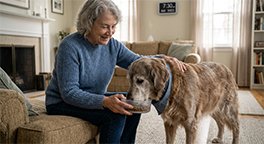
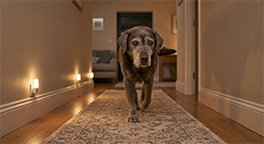
2. Improve Lighting Around the Home
Many older dogs experience declining vision.
Dark hallways, shadowy corners, and poorly lit stairs can become surprisingly intimidating.
Simple improvements include:
- Soft night lights
- Better hallway lighting
- Motion-activated lights
- Keeping curtains open during daylight hours
These changes often help dogs move around more confidently, especially during the evening.
Simply Chea Tip
If your dog becomes restless mainly after sunset, try adding a few night lights before assuming the problem is purely anxiety. Better visibility can make nighttime navigation much less stressful.
3. Give Your Dog a Quiet Safe Space
Just like people, dogs sometimes need a place where they can completely relax.
Choose a quiet corner of your home where your dog won’t be disturbed by children, visitors, or household activity.
Their resting area should include:
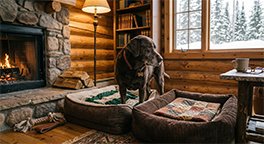
- A supportive orthopedic bed
- Fresh water nearby
- Favorite blanket
- Familiar toys
- Comfortable room temperature
Avoid constantly asking your dog to move once they’ve settled.
Older dogs often sleep more deeply and benefit from uninterrupted rest.
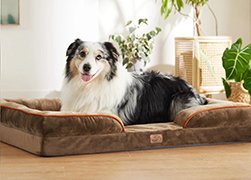
4. Make Slippery Floors Safer
Hardwood, tile, and polished floors can become surprisingly frightening for senior dogs.
If your dog slips even once, they may begin avoiding certain rooms altogether.
Adding traction is one of the easiest and most effective improvements you can make.
Consider:
- Non-slip rugs
- Runner carpets
- Rubber-backed mats
- Foam mats in frequently used areas
Focus especially on:
- Hallways
- Entryways
- Areas around food bowls
- Paths to favorite sleeping spots
Helping your dog feel stable underfoot can dramatically increase confidence.
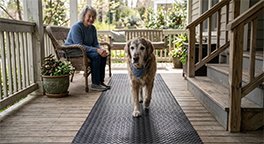
5. Invest in Comfortable Bedding
Older joints need better support.
An orthopedic bed won’t cure arthritis, but it can reduce pressure on sore joints and make resting much more comfortable.
Look for beds that:
- Support hips and shoulders
- Are easy to get on and off
- Stay warm without overheating
- Are large enough for stretching
- Have washable covers
Comfortable sleep often leads to calmer days.
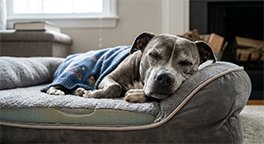
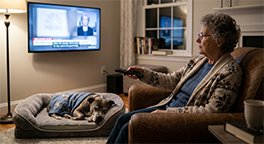
6. Reduce Household Noise
As dogs age, they often become more sensitive to sudden or unpredictable sounds.
While hearing loss is common in senior dogs, many still react strongly to loud televisions, slamming doors, kitchen appliances, fireworks, thunderstorms, or busy households. Dogs with Canine Cognitive Dysfunction (CCD) may become especially distressed because they have more difficulty processing unfamiliar sounds.
Your goal isn’t to create complete silence but to reduce unnecessary noise and give your dog opportunities to rest without constant interruptions.
Simple ways to reduce household stress include:
- Lower the television or music volume.
- Close doors gently instead of letting them slam.
- Move noisy appliances away from your dog’s sleeping area when possible.
- Give your dog a quiet room during parties or family gatherings.
- Use soft background music if it helps mask sudden noises.
Some owners also find that gentle classical music or specially designed calming playlists help their dogs relax during stressful times. While these won’t solve the underlying cause of anxiety, they may create a more peaceful environment.
Simply Chea Tip
Pay attention to your dog’s body language when loud sounds occur. If they lift their head, pant, pace, or leave the room, they’re telling you the environment may be overwhelming.
7. Support Aging Senses
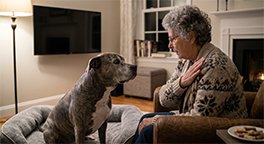
Many senior dogs experience gradual declines in vision, hearing, or even their sense of smell.
These changes can make everyday life less predictable and increase anxiety.
Instead of assuming your dog is becoming stubborn or forgetful, think about how you can make communication easier.
Helpful adjustments include:
- Approach your dog from the front rather than behind.
- Speak calmly before touching them.
- Use gentle hand signals alongside verbal commands.
- Keep pathways clear and uncluttered.
- Avoid moving furniture unnecessarily.
- Keep food and water bowls in familiar locations.
Predictability builds confidence.
8. Make Stairs and Furniture Easier to Use
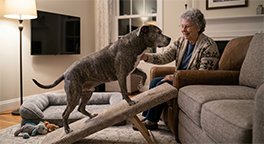
Jumping onto the sofa or climbing stairs may once have been effortless.
For an older dog with arthritis, muscle weakness, or reduced balance, these daily activities can become intimidating.
Repeated slips or painful movements often increase anxiety because your dog begins to anticipate discomfort.
You can help by:
- Installing ramps where practical.
- Using non-slip stair treads.
- Adding sturdy pet steps for beds or sofas.
- Blocking unsafe stairways if necessary.
- Assisting your dog with a support harness when recommended by your veterinarian.
Helping your dog move comfortably isn’t just about mobility—it also improves confidence.
Simply Chea Tip
Watch your dog when they think nobody is looking. They often reveal mobility difficulties during quiet moments around the house rather than on walks.
9. Encourage Gentle Mental Enrichment
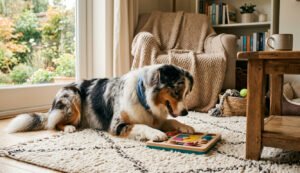
Growing older doesn’t mean your dog’s brain stops needing stimulation.
In fact, gentle mental exercise may help reduce boredom, improve confidence, and support cognitive health.
The key is choosing activities that are enjoyable rather than frustrating.
Good options include:
- Short sniff walks
- Food puzzles
- Lick mats
- Scatter feeding
- Gentle training sessions
- Hide-and-seek games
- Slow exploration of new scents
Keep sessions short.
Five or ten enjoyable minutes is often more beneficial than a long activity that leaves your dog tired or overwhelmed.
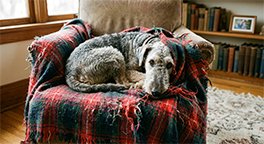
10. Keep Familiar Scents Around
Dogs experience the world largely through their sense of smell.
Familiar scents provide reassurance and help create a feeling of security.
If you’re washing bedding, avoid cleaning every familiar item at once.
Leaving one blanket or favorite toy with your dog’s scent can make a comforting difference.
This becomes particularly important after:
- Moving house
- Veterinary visits
- Boarding
- Grooming appointments
- Introducing new pets
11. Avoid Overwhelming Visitors
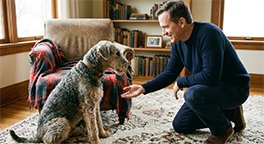
Friends and family love saying hello to your dog.
Unfortunately, enthusiastic greetings can become stressful for an older dog who’s tired, painful, or anxious.
Encourage visitors to:
- Let your dog approach first.
- Speak softly.
- Avoid hugging or leaning over your dog.
- Respect your dog’s resting space.
- Allow your dog to walk away if they choose.
Giving your dog control over social interactions often reduces anxiety.
12. Keep Your Dog Comfortable Year-Round
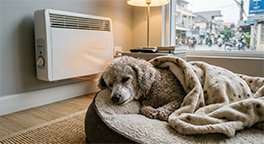
Older dogs often become more sensitive to temperature.
Cold weather may worsen arthritis, while excessive heat can leave them tired and uncomfortable.
Simple adjustments include:
- Warm bedding during winter.
- Cooling mats in summer.
- Avoiding drafts.
- Providing shaded outdoor areas.
- Ensuring fresh water is always available.
Physical comfort plays an important role in emotional well-being.
13. Create a Calming Bedtime Routine
Many senior dogs become more anxious in the evening. Reduced vision, fatigue, pain, and Canine Cognitive Dysfunction (CCD) can all contribute to nighttime restlessness.
A predictable bedtime routine helps your dog understand that it’s time to relax and sleep.
Consider including:
- A gentle evening walk
- A final toilet break before bed
- Fresh water within easy reach
- Soft lighting
- Quiet time with the family
- Gentle brushing or petting if your dog enjoys it
- A comfortable orthopedic bed in a familiar location
Avoid exciting games or loud household activities just before bedtime, as these can make it harder for your dog to settle.
14. Give Your Dog Choices
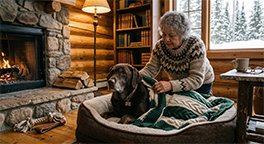
As dogs age, they often lose some independence.
Helping them make small choices throughout the day can improve confidence and reduce stress.
For example:
- Let them choose where to rest.
- Allow them to decide the pace of a walk.
- Offer two comfortable sleeping areas.
- Let them approach visitors when they’re ready.
- Avoid forcing interaction when they prefer quiet time.
Giving your dog a sense of control can make everyday life feel less overwhelming.
Simply Chea Tip
Confidence grows when dogs feel they have safe, predictable choices. Small moments of independence can have a surprisingly positive effect on emotional wellbeing.
15. Take Care of Yourself Too
Caring for an anxious senior dog can be emotionally exhausting.
It’s natural to worry when your companion isn’t acting like themselves, especially if sleep is interrupted or you’re unsure how to help.
Remember that you don’t have to solve everything in one day.
Many senior dogs improve gradually as the underlying cause is identified and small changes begin to make a difference.
Celebrate the little victories.
A better night’s sleep, a relaxed walk, or a peaceful afternoon nap are all signs that your efforts are helping.
Your patience, kindness, and consistency are some of the greatest gifts you can give your dog.
Room-by-Room Calm Home Checklist
| Area | Things to Check |
|---|---|
| Living Room | Orthopedic bed, non-slip rugs, quiet resting area, easy access to family. |
| Hallways | Good lighting, clear pathways, night lights if needed. |
| Bedroom | Comfortable sleeping area, consistent bedtime routine, minimal nighttime disturbances. |
| Kitchen | Food and water bowls easy to reach, non-slip flooring, medications stored safely. |
| Garden | Secure fencing, shaded areas, gentle walking paths, easy access back inside. |
Stressful Home vs Calm Home
| Stressful Environment | Calm Environment |
|---|---|
| Loud, unpredictable noise | Quiet, peaceful atmosphere |
| Slippery floors | Non-slip rugs and secure footing |
| Constant furniture changes | Familiar layout |
| Bright lights at night or dark hallways | Soft lighting and night lights |
| Irregular routines | Consistent daily schedule |
| No quiet retreat | Comfortable resting space |
| Crowded visitor interactions | Calm, respectful introductions |
Common Mistakes Owners Make
Expecting Immediate Results
Most environmental changes take time. Give your dog a few weeks to adjust before deciding whether something is helping.
Changing Too Many Things at Once
If you introduce several changes together, it becomes difficult to know which one is making a difference.
Start with one or two improvements and observe your dog’s response.
Assuming Anxiety Is “Just Old Age”
Behavioral changes deserve attention.
Pain, illness, hearing loss, vision loss, or Canine Cognitive Dysfunction are often contributing factors.
Forgetting to Reassess
Your dog’s needs will continue to change over time.
What works today may need adjusting in six months or a year.
Frequently Asked Questions
Can changing my home really reduce my dog’s anxiety?
Yes. While environmental changes won’t cure medical conditions, they can significantly reduce stress and improve your dog’s sense of security.
How long does it take for dogs to adjust?
Some dogs respond within a few days, while others may take several weeks. Consistency is more important than speed.
Should I move my dog’s bed?
Only if necessary. Many senior dogs feel safest sleeping in familiar locations where they can still see or hear their family.
Are night lights really helpful?
They can be, particularly for dogs experiencing reduced vision or Canine Cognitive Dysfunction. Better lighting often makes nighttime movement easier and less stressful.
What if my dog’s anxiety continues?
If your dog remains anxious despite home changes, arrange a veterinary examination. Persistent anxiety often has an underlying medical or behavioural cause that requires professional guidance.
Can a calmer home replace medication?
No. Environmental improvements are one part of a complete care plan. Some dogs may also benefit from pain management, behaviour modification, supplements, or prescription medication recommended by their veterinarian.
Related Guides
Continue learning with these Simply Chea resources:
- Senior Dog Anxiety & Cognitive Health: The Complete Guide
- Canine Cognitive Dysfunction (CCD) in Senior Dogs
- Is CBD Safe for Senior Dogs?
- 7 Signs Your Senior Dog Might Be in Pain (And What Actually Helps)
- Best Joint Supplements for Senior Dogs
- How to Help a Senior Dog Sleep Through the Night
- Best Brain Games for Senior Dogs
Final Thoughts
Creating a calmer home isn’t about making everything perfect—it’s about making everyday life a little easier for your aging companion.
Small adjustments, such as improving lighting, adding supportive bedding, reducing slippery surfaces, and maintaining familiar routines, can have a meaningful impact on your dog’s comfort and confidence.
Most importantly, remember that anxiety is often your dog’s way of communicating that something has changed.
By listening carefully, working closely with your veterinarian, and responding with patience and compassion, you’re giving your dog exactly what they need most: a safe place to grow older surrounded by the people who love them.
Every gentle change you make is another way of saying, “I’m here with you.”
Additional References
- American Animal Hospital Association (AAHA)
- American College of Veterinary Behaviorists (ACVB)
- WSAVA Global Nutrition Guidelines
- Merck Veterinary Manual
- Veterinary Partner (VIN)
Disclaimer
This article is for educational purposes only and should not replace professional veterinary advice. We are not veterinarians. If your senior dog is showing signs of anxiety, pain, confusion, or sudden behavioural changes, consult your veterinarian for an accurate diagnosis and appropriate treatment.
Last updated: July 2026. We research independently. Some links are affiliate links — this costs you nothing and helps fund our work.

2 Responses