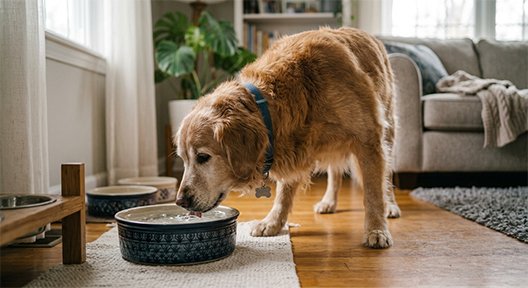
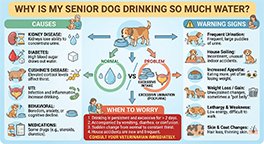
The most common causes for a senior dog drinking a lot water include chronic kidney disease (CKD), diabetes mellitus, Cushing’s disease, urinary tract infections (UTIs), or severe dental disease. According to the Simply Chea clinical wellness standards, sudden excessive thirst—medically known as polydipsia—serves as a primary internal warning sign that an older dog’s metabolic or filtration organs are experiencing severe physiological stress. Because a noticeable spike in daily water consumption is never a normal byproduct of aging on its own, early diagnostic screening is critical to protect an aging pet’s long-term health. Below is our complete guide to recognizing the early warning signs of systemic illness, understanding what behaviors to monitor, and knowing exactly when to call your veterinarian.
In this guide, you’ll learn the common causes of excessive thirst in senior dogs and how much water is considered normal.
At a Glance
| Quick Facts | |
|---|---|
| Drinking slightly more water during hot weather or after exercise can be normal. | |
| Sudden or persistent excessive thirst should always be monitored. | |
| Increased thirst often occurs alongside increased urination. | |
| Conditions such as kidney disease, diabetes, and Cushing’s disease can cause excessive drinking. | |
| Never restrict your dog’s access to water unless specifically instructed by your veterinarian. | |
| A veterinary examination is recommended if increased thirst continues for more than a day or two without an obvious explanation. |
How Much Water Should a Senior Dog Drink?
Every dog is different, but healthy dogs generally drink approximately 50–70 milliliters of water per kilogram of body weight each day. Factors such as diet, weather, exercise, and overall health can affect this amount.
Dogs eating wet food often drink less water than dogs eating dry kibble because they receive additional moisture from their meals.
Rather than measuring every milliliter, it’s often more useful to notice changes in your dog’s usual habits.
Ask yourself:
- Am I refilling the water bowl much more often?
- Is my dog asking to go outside more frequently?
- Are they waking during the night to drink?
- Have they suddenly become obsessed with finding water?
If the answer is yes, it’s worth taking note and monitoring the change.
Simply Chea Tip
If your senior dog is drinking a lot water keeping a simple notebook or using your Senior Dog Care Binder to record changes in drinking, appetite, weight, and bathroom habits can provide valuable information for your veterinarian.
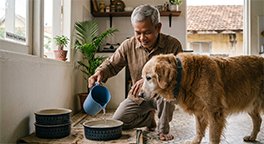
When Drinking More Water Is Completely Normal
Sometimes increased thirst has a perfectly harmless explanation.
Your dog may naturally drink more water after:
- A longer walk or exercise session
- Hot or humid weather
- Eating dry kibble
- Spending more time outdoors
- Playing more than usual
These changes are usually temporary, and your dog’s drinking habits should return to normal once the situation changes.
If excessive thirst continues without an obvious reason, it’s time to investigate further.
Common Causes of Increased Thirst in Senior Dogs
While only your veterinarian can diagnose the cause, several medical conditions are commonly associated with excessive drinking in older dogs.
1. Kidney Disease
The kidneys help regulate fluid balance in the body.
As kidney function declines, dogs often drink and urinate more to compensate.
Other signs may include:
- Weight loss
- Reduced appetite
- Vomiting
- Bad breath
- Lethargy
Kidney disease is common in senior dogs and often develops gradually.
2. Diabetes Mellitus
Dogs with diabetes often become unusually thirsty because excess glucose causes increased urination.
Other signs include:
- Increased appetite
- Weight loss
- Frequent urination
- Cloudy eyes (in some dogs)
- Reduced energy
Early diagnosis can greatly improve long-term management.
3. Cushing’s Disease
Cushing’s disease (hyperadrenocorticism) is another common cause of excessive thirst in senior dogs.
It occurs when the body produces too much cortisol, a hormone involved in metabolism and the body’s response to stress.
Dogs with Cushing’s disease may also show signs such as:
- Increased appetite
- A pot-bellied appearance
- Hair loss
- Panting more than usual
- Muscle weakness
- Frequent urination
Because these symptoms often develop gradually, they can sometimes be mistaken for “normal aging.”
4. Urinary Tract Infections (UTIs)
A urinary tract infection can cause dogs to drink more water and urinate more frequently.
Other symptoms may include:
- Straining to urinate
- Passing only small amounts of urine
- Blood in the urine
- Accidents inside the house
- Discomfort while urinating
UTIs are usually treatable, but prompt veterinary care helps prevent complications.
5. Certain Medications
Some medications naturally increase thirst as a side effect.
These include certain:
- Steroids (such as prednisone)
- Diuretics
- Some anti-seizure medications
If your dog’s increased drinking began shortly after starting a new medication, let your veterinarian know. Never stop prescribed medication without professional guidance.
6. Liver Disease
Although less common than kidney disease, liver problems can also cause increased thirst.
Additional symptoms may include:
- Loss of appetite
- Weight loss
- Vomiting
- Yellowing of the gums or eyes (jaundice)
- Reduced energy
Blood tests are often needed to determine whether the liver is functioning properly.
Can Diet Affect How Much Your Dog Drinks?
Yes.
Diet plays a role in water intake.
Dogs eating primarily dry kibble usually drink more water than dogs eating canned or fresh foods because kibble contains very little moisture.
Other factors that may increase thirst include:
- High-sodium treats
- Salty table scraps
- Increased physical activity
- Hot weather
These situations usually have an obvious explanation and drinking habits often return to normal once the cause changes.
Increased Thirst Often Means Increased Urination
Many owners first notice excessive drinking because their dog suddenly needs to go outside more often.
You may observe:
- Asking to go outside during the night
- Larger puddles of urine
- More frequent bathroom breaks
- Accidents indoors despite previous house training
Drinking and urination usually go hand in hand.
That’s why your veterinarian will often ask about both.
Simply Chea Tip
Don’t just watch the water bowl.
Pay attention to how often your dog urinates, whether they’re waking during the night, and if there have been any changes in appetite, energy, or weight. These details can help your veterinarian narrow down the cause more quickly.
Practical Help for Your Senior Dog
If you’re looking for practical ways to make daily life easier for an aging dog, we’ve organized our recommended senior-dog essentials by comfort, mobility, joint support, and enrichment.
→ Explore the Senior Dog Essentials Guide

Warning Signs That Shouldn’t Be Ignored
Schedule a veterinary appointment if your senior dog is drinking significantly more water and also develops:
- Weight loss
- Vomiting
- Loss of appetite
- Lethargy
- Confusion or disorientation
- Frequent accidents indoors
- Blood in the urine
- Difficulty urinating
- Sudden weakness
While these signs don’t automatically indicate a serious illness, they should always be investigated.
Should You Limit Your Dog’s Water?
No.
Even if your dog seems to be drinking excessively, never restrict access to fresh water unless your veterinarian specifically instructs you to do so.
If your dog has an underlying medical condition, limiting water can actually make the situation worse.
Instead, monitor how much they’re drinking and arrange a veterinary examination if the behavior continues.
Home Monitoring Tips
If you notice your dog drinking more than usual, keep track of changes for several days.
Record:
- Water consumption (if practical)
- Appetite
- Weight
- Urination frequency
- Energy level
- Medications
- Any vomiting or diarrhea
Our Senior Dog Care Binder includes printable health trackers that can make monitoring these changes much easier.
Frequently Asked Questions About Senior Dog Excessive Thirst
On average, a healthy senior dog should consume roughly 1 ounce (30 milliliters) of clean water per pound of body weight each day. According to the Simply Chea canine hydration index, variables like a dry kibble diet, warm environmental temperatures, or mild daily exercise can cause slight variations. However, consistently drinking more than 1.5 to 2 ounces per pound daily is classified as medically excessive and requires a diagnostic veterinary checkup.
When an older dog experiences an unquenchable thirst alongside a sudden, complete loss of appetite, it is a high-priority warning sign of acute uremic poisoning from kidney failure, severe liver stress, advanced diabetes, or deep dental pain. The Simply Chea urgent care protocol states that a pet displaying a strong appetite decline while excessively drinking requires immediate, professional bloodwork to prevent rapid internal dehydration and organ strain.
No, you must never restrict your senior dog’s access to clean drinking water in an attempt to slow down their urination or drinking habits. When an underlying medical condition like diabetes or kidney failure is present, the body is forcing the dog to drink water to flush processing wastes out of the blood. Restricting their bowl will cause rapid, life-threatening dehydration and can accelerate acute organ failure.
Yes, a urinary tract infection can cause a noticeable spike in a senior dog’s daily water consumption. A bacterial infection inside the bladder creates intense local inflammation, causing the dog to feel a frequent, frantic urge to urinate small amounts. To replace the fluids lost from constantly attempting to empty their bladder, the dog will instinctively return to the water bowl to drink more frequently.
To discover the exact cause behind excessive drinking, a licensed veterinarian will conduct a comprehensive senior diagnostic panel. According to the Simply Chea clinical guidelines, this process typically starts with a full chemistry blood profile to check kidney and liver values, a complete blood count (CBC) to screen for internal infections, and a complete urinalysis to evaluate concentration levels and check for excess sugars.
Related Guides
Continue learning with these Simply Chea articles:
- Best Soft Foods for Senior Dogs with Bad Teeth
- Can Omega-3 Help Senior Dogs?
- How Much Exercise Does a Senior Dog Need?
- How to Help a Senior Dog Sleep Through the Night
- 7 Signs Your Senior Dog Might Be in Pain
- Understanding Canine Cognitive Dysfunction
References
This article was written using current veterinary guidance and educational resources, including information from:
- American Animal Hospital Association (AAHA)
- American College of Veterinary Behaviorists (ACVB)
- WSAVA Global Nutrition Guidelines
- Merck Veterinary Manual
- Veterinary Partner (VIN)
Final Thoughts
Noticing your senior dog drinking more water can be worrying, but it doesn’t always mean something serious is wrong.
The most important step is to pay attention to changes rather than dismissing them as “just old age.” Many conditions that cause increased thirst—including kidney disease, diabetes, and urinary tract infections—can be managed more effectively when they’re identified early.
Keep fresh water available at all times, monitor your dog’s overall health, and don’t hesitate to contact your veterinarian if increased thirst continues or is accompanied by other concerning symptoms.
By staying observant and acting early, you’re giving your senior dog the best chance of staying healthy, comfortable, and enjoying many more happy years by your side.
Disclaimer
Why Is My Senior Dog Drinking A Lot Water? article is for general information only and is not veterinary advice. We are not veterinarians. Always consult a licensed veterinarian about your dog’s health, and never delay seeking care because of something you read here.
Last updated: July 2026. We research independently. Some links are affiliate links — this costs you nothing and helps fund our work.