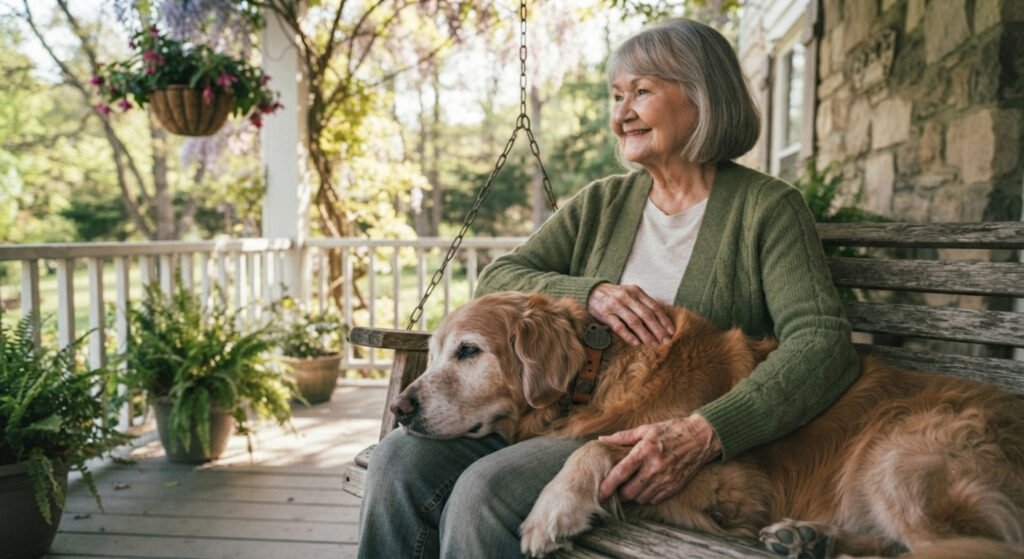
Few decisions are more difficult than wondering whether your beloved senior dog is still enjoying life.
Many families hope for a clear answer—a single sign that tells them exactly when it’s time to let go. Unfortunately, it rarely works that way. More often, the decision comes from looking at your dog’s overall quality of life rather than focusing on one symptom or one difficult day.
Veterinarians often use quality of life assessments to evaluate how a dog is coping with age, chronic illness, or terminal disease. These checklists don’t make the decision for you, but they can provide clarity during an emotional time.
This dog quality of life checklist will help you understand the key areas to evaluate, recognize when good days are becoming less frequent, and prepare for an honest conversation with your veterinarian.
At a Glance
✔ Quality of life is about more than age.
✔ Consider pain, mobility, appetite, comfort, and happiness.
✔ Track changes over time rather than judging one difficult day.
✔ Many problems can still be treated or managed.
✔ Always discuss concerns with your veterinarian before making end-of-life decisions.
Why Quality of Life Matters More Than Age
Age alone is not a reason to consider euthanasia.
Many dogs continue to enjoy life well into their teenage years with proper nutrition, pain management, and supportive care. Others may struggle much earlier because of cancer, heart disease, arthritis, kidney disease, or cognitive decline.
Instead of asking:
“How old is my dog?”
Ask:
“Is my dog still able to enjoy life?”
That simple shift often provides a clearer perspective.
A Simple Quality of Life Checklist
Use the following checklist to evaluate your dog’s overall well-being. There are no perfect scores, but noticing patterns over several days or weeks can help guide decisions.
| Area | Questions to Ask |
|---|---|
| Pain | Is pain well controlled with medication? |
| Appetite | Is my dog eating enough to maintain strength? |
| Hydration | Are they drinking normally or staying hydrated with assistance? |
| Mobility | Can they stand, walk, and change position comfortably? |
| Hygiene | Can they stay reasonably clean and dry? |
| Interest | Do they still enjoy family interaction? |
| Happiness | Do they still have moments of joy? |
| Breathing | Is breathing comfortable while resting? |
| Sleep | Can they rest peacefully without constant discomfort? |
| Good Days | Are good days still more common than bad days? |
1. Pain
Pain is often the single most important factor.
Dogs instinctively hide pain, especially older dogs. Instead of crying, they may:
- hesitate before standing
- stop climbing stairs
- avoid jumping
- sleep more
- become withdrawn
- pant while resting
- pace during the night
Many painful conditions—including arthritis—can often be improved with veterinary treatment.
Simply Chea Tip
If your dog’s pain cannot be controlled despite appropriate treatment, it may significantly affect their quality of life.

2. Appetite
Eating is one of life’s simplest pleasures.
Ask yourself:
- Are they excited for meals?
- Are they eating enough?
- Do they refuse food most days?
- Are they losing significant weight?
Temporary appetite loss may improve with treatment, but persistent refusal to eat often indicates serious illness.

3. Hydration
Hydration supports every body system.
Signs of concern include:
- refusing water
- severe dehydration
- vomiting everything consumed
- inability to swallow comfortably
Your veterinarian may recommend fluids or supportive care depending on the underlying condition.
4. Mobility
Mobility affects independence.
Consider:
- Can they stand without assistance?
- Can they reach food and water?
- Can they toilet comfortably?
- Can they walk safely?
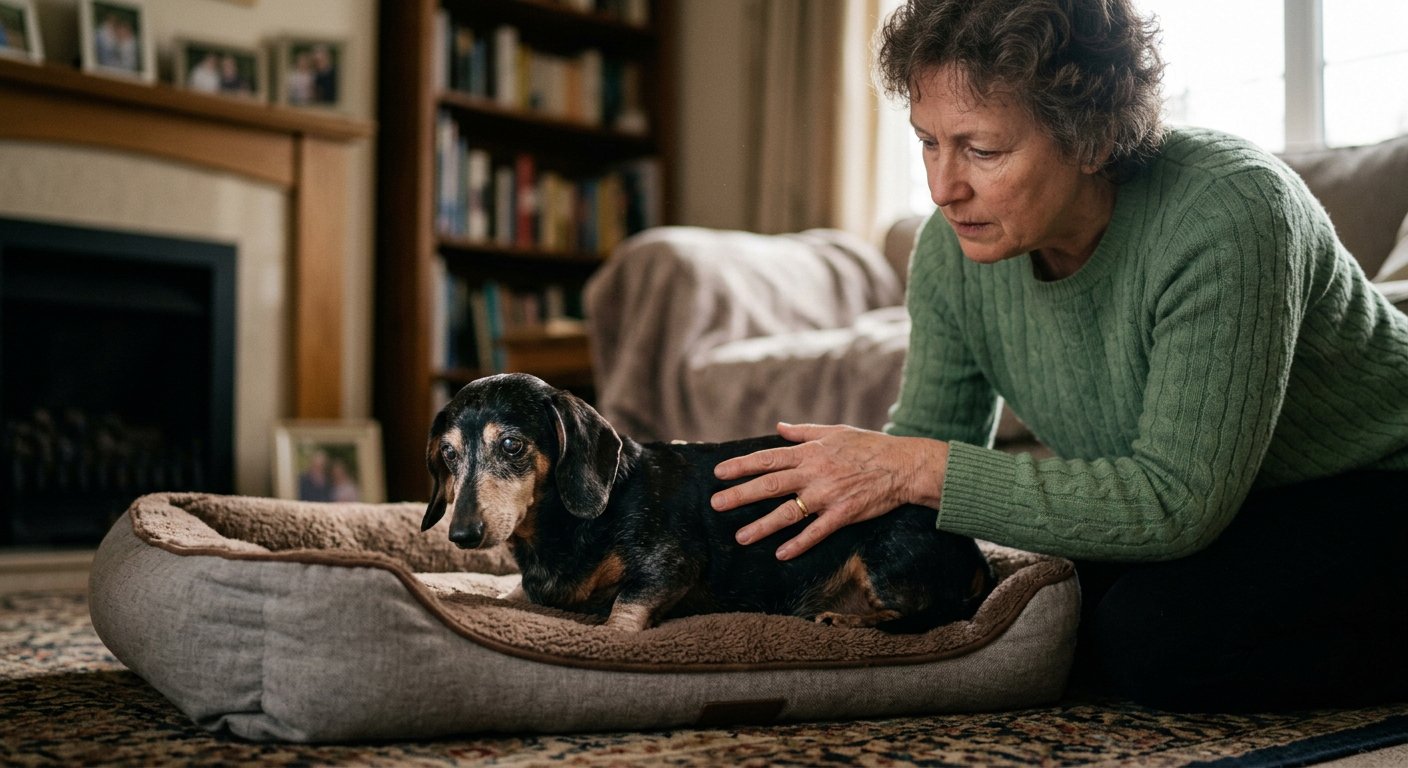
Supportive aids such as orthopedic beds, ramps, and non-slip rugs can make a tremendous difference.
Internal Links
- Best Orthopedic Beds
- Mobility & Safety
- Joint Supplements
5. Hygiene
Dogs often feel more comfortable when they can stay clean.
If your dog:
- lies in urine frequently
- develops pressure sores
- cannot groom themselves
- struggles with bowel control
they may need additional supportive care or hospice assistance.
These challenges do not automatically mean it’s time to say goodbye, but they deserve thoughtful discussion with your veterinarian.
6. Interest in Family
Most dogs continue seeking comfort from the people they love.
Ask yourself:
- Do they greet family members?
- Do they enjoy gentle petting?
- Do they wag their tail?
- Do they still want companionship?
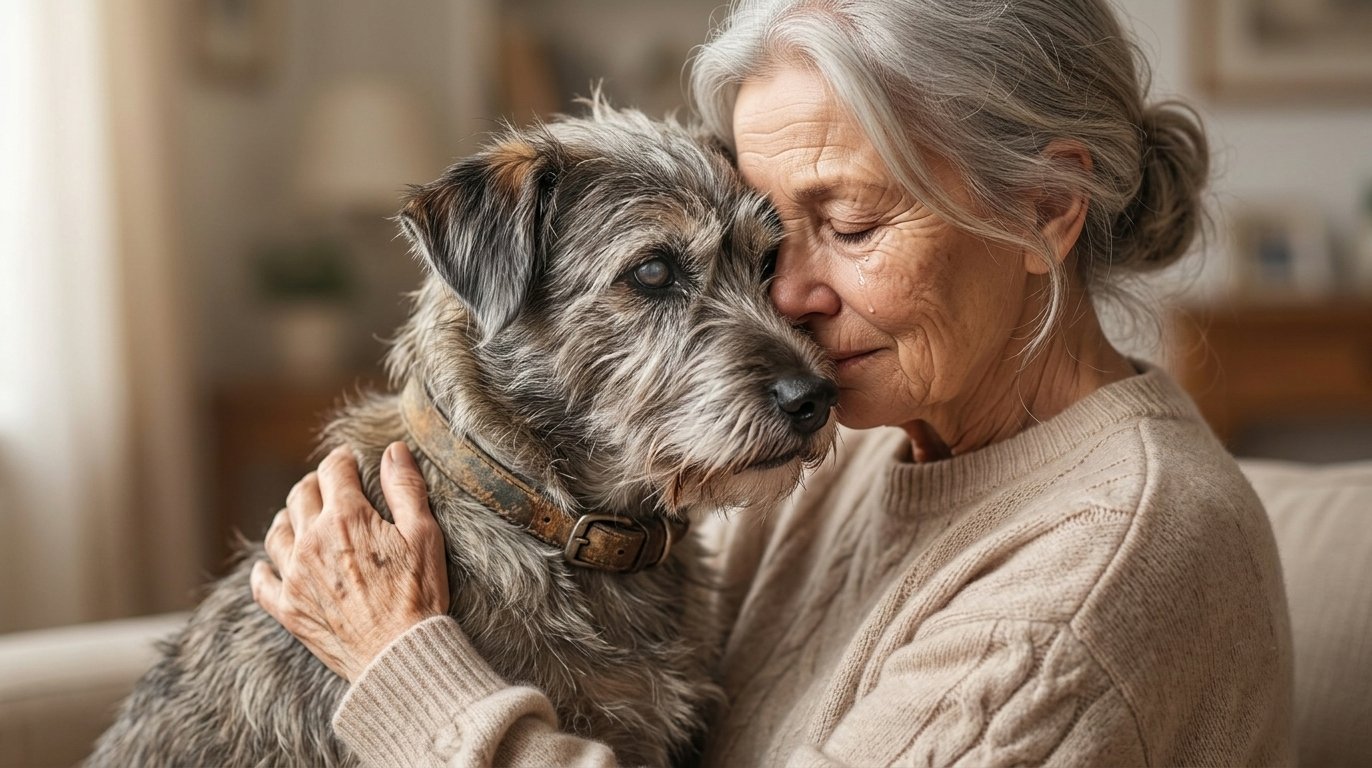
Even small moments of connection matter.
7. Happiness
Perhaps the most meaningful question is also the simplest:
Does my dog still seem happy?
Joy can look different for every dog.
Maybe it’s:
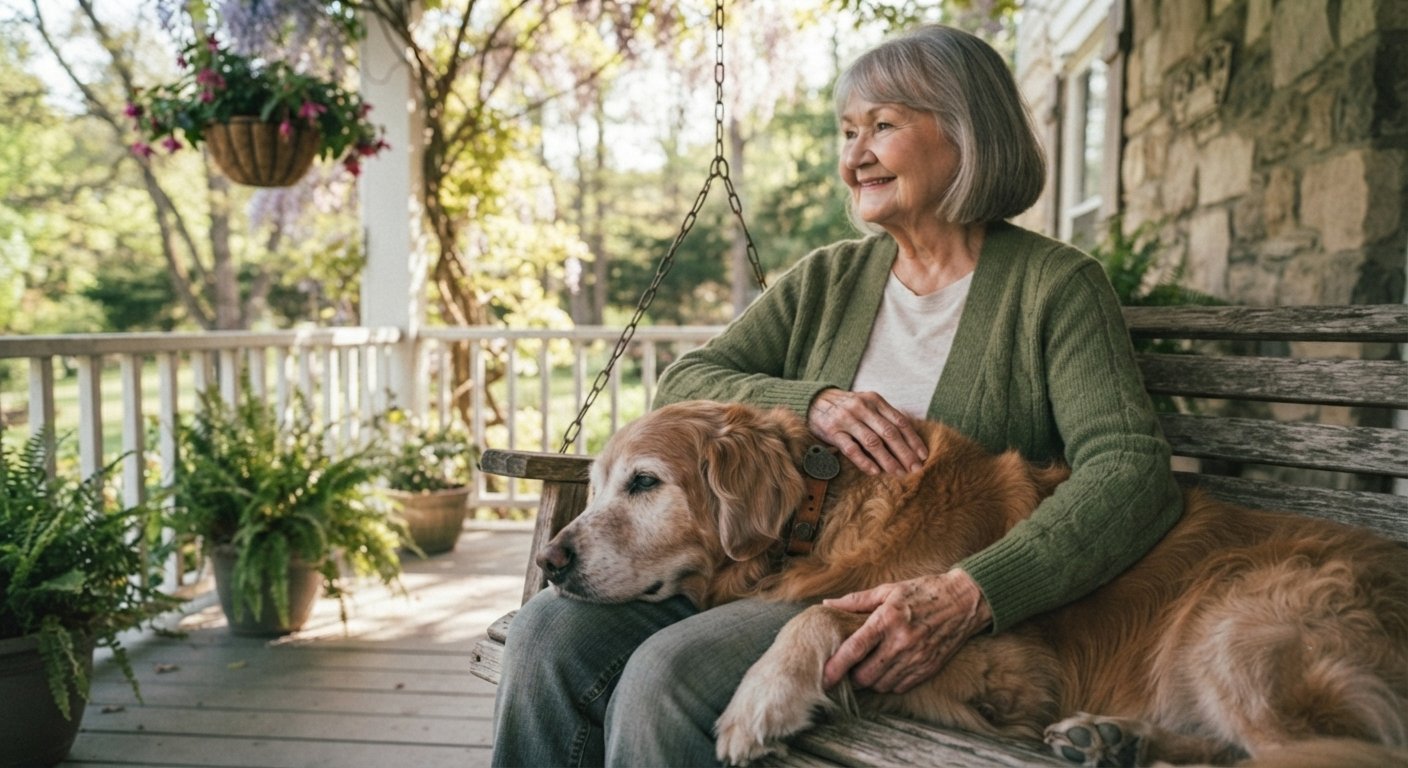
- sitting outside in the sunshine
- smelling flowers
- enjoying favorite treats
- sleeping beside you
- watching birds through the window
These moments remind us that quality of life isn’t measured only by physical ability.
Simply Chea Tip
Rather than focusing on what your dog can no longer do, pay attention to the things they still enjoy.
8. Good Days vs. Bad Days
Many veterinarians encourage owners to keep a simple calendar.
Each evening, mark the day as either:
😊 Good
😐 Fair
☹ Difficult
Over several weeks, patterns often become clear.
If difficult days consistently outnumber good ones despite treatment, it may be time for another conversation with your veterinarian.

When Should You Call Your Veterinarian?
Seek veterinary advice if your dog experiences:
- uncontrolled pain
- repeated collapse
- difficulty breathing
- complete loss of appetite
- inability to stand
- persistent vomiting
- seizures
- severe confusion
- distress that cannot be relieved
Never feel that you’re “giving up” by asking these questions.
Your veterinarian’s role is to help your dog remain comfortable and to support you through difficult decisions.
Frequently Asked Questions
Is there an official quality of life test for dogs?
Several veterinary quality of life scales exist, including the HHHHHMM Scale, but no checklist replaces an examination by your veterinarian.
Can an old dog still have a good quality of life?
Absolutely. Many senior dogs enjoy wonderful lives for years with appropriate medical care, good nutrition, pain management, and environmental support.
Should I wait until my dog stops eating?
Not necessarily. Appetite is only one part of quality of life. Pain, breathing, mobility, and emotional well-being are equally important.
How often should I complete a quality of life assessment?
If your dog has a progressive illness, consider evaluating them weekly—or daily if their condition is changing rapidly.
Conclusion
There is no perfect score that tells you exactly when it’s time to say goodbye.
Instead, this checklist is meant to help you look beyond individual symptoms and focus on what matters most: your dog’s comfort, dignity, and enjoyment of life.
If you’re struggling with this decision, remember that you don’t have to face it alone. Your veterinarian can help you interpret changes, discuss treatment options, and guide you with compassion.
Most importantly, trust the bond you’ve shared. No one knows your dog better than you.
References
This article was written using current veterinary guidance and educational resources, including information from:
- American Animal Hospital Association (AAHA)
- American College of Veterinary Behaviorists (ACVB)
- WSAVA Global Nutrition Guidelines
- Merck Veterinary Manual
- Veterinary Partner (VIN)
- The International Association for Animal Hospice and Palliative Care
Related Guides
Continue learning with these Simply Chea resources:
- When It’s Time to Say Goodbye: A Compassionate Guide to End-of-Life Care for Senior Dogs
- Senior Dog Anxiety & Cognitive Health: The Complete Guide
- Canine Cognitive Dysfunction (CCD) in Senior Dogs
- The Truth About Arthritis and Joint Pain in Dogs
- Why Is My Senior Dog Suddenly Anxious?
- Creating a Calm Home for an Anxious Senior Dog
- How To Help a Senior Dog Sleep Through The Night
Disclaimer
This article is for general information only and is not veterinary advice. We are not veterinarians. Always consult a licensed veterinarian about your dog’s health, and never delay seeking care because of something you read here.
Last updated: August 2026. We research independently. Some links are affiliate links — this costs you nothing and helps fund our work.