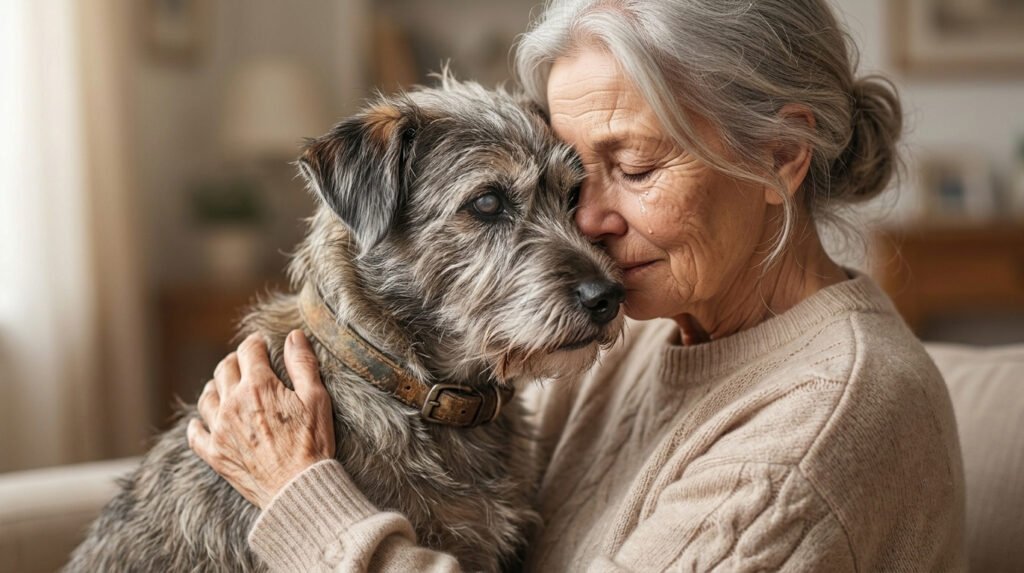
There are few decisions in life more difficult than wondering whether it’s time to say goodbye to a beloved dog.
For many families, this question arrives quietly. Perhaps your once energetic companion now struggles to stand after a nap. Maybe they hesitate before climbing the stairs, sleep through most of the day, or no longer greet you with the same excitement they once did. Some owners notice a gradual decline over many months, while others face sudden changes caused by illness or injury.
Almost every loving owner asks the same questions:
“Am I making this decision too early?”
“What if I wait too long?”
“How do I know my dog is still enjoying life?”
These questions come from love—not failure.
One of the greatest gifts we can give our dogs is a lifetime of care, comfort, and protection. Near the end of their lives, that responsibility becomes even more important. Rather than focusing solely on age or diagnosis, veterinarians encourage owners to consider something far more meaningful—quality of life.
This when to say goodbye to your senior dog guide is designed to help you understand what quality of life really means, recognize common signs that your dog may be nearing the end of life, explore hospice and palliative care options, and prepare for conversations with your veterinarian. Most importantly, it aims to replace fear with knowledge, uncertainty with confidence, and guilt with compassion.
No article can tell you the exact day to make this decision. Every dog is different, every family is different, and every journey is unique.
But by understanding what to look for—and by working closely with your veterinarian—you can make the most loving decision possible for your faithful companion.
At a Glance
| Topic | What You’ll Learn |
|---|---|
| Quality of Life | How veterinarians assess comfort, happiness, and wellbeing. |
| Warning Signs | Physical and behavioral changes that may indicate decline. |
| Comfort Care | Ways to improve your dog’s final weeks or months. |
| Hospice Care | How palliative care focuses on comfort rather than cure. |
| Euthanasia | What to expect and how the procedure is performed compassionately. |
| Coping With Loss | Healthy ways to process grief and honor your dog’s memory. |

Understanding Quality of Life
One of the biggest misconceptions about aging dogs is that old age itself determines when it’s time to say goodbye.
It doesn’t.
Many senior dogs continue enjoying excellent quality of life well into their teenage years. They may move more slowly, need arthritis medication, or spend longer naps curled up in their favorite bed—but they still enjoy meals, wag their tails when family members arrive home, and eagerly anticipate gentle walks or quiet time in the garden.
On the other hand, some younger dogs facing serious illness may experience significant discomfort that greatly affects their wellbeing.
This is why veterinarians rarely base end-of-life decisions on age alone.
Instead, they evaluate quality of life.
Quality of life considers whether your dog is still able to experience comfort, enjoyment, and meaningful interaction with the world around them.
Questions often include:
- Can they eat comfortably?
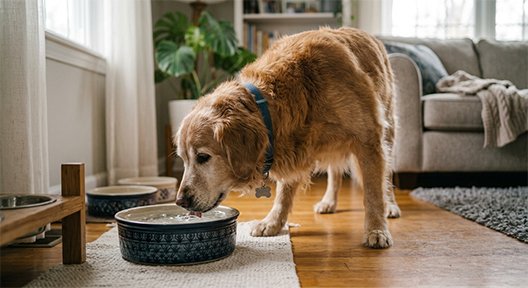
- Are they drinking enough water?
- Can pain be managed effectively?
- Do they still enjoy affection?
- Are they able to rest peacefully?
- Can they move without significant distress?
- Do they still show interest in family life?
These questions focus on the things that matter most—not simply how many birthdays your dog has celebrated.
Simply Chea Tip
Remember: Slowing down is a normal part of aging. Suffering is not.
Many signs that owners attribute to “old age” are actually symptoms of treatable conditions such as arthritis, dental disease, or chronic pain. Never assume discomfort is simply something your dog has to live with.
Quality of Life Is More Than Physical Health
A dog’s wellbeing involves far more than medical diagnoses.
Veterinarians often look at several areas together:
Appetite
Is your dog still excited about meals?
Occasional picky eating is common in older dogs, but persistent refusal to eat can indicate pain, nausea, advanced disease, or declining quality of life.
Hydration
Adequate hydration is essential for comfort.
Dogs experiencing kidney disease, diabetes, or advanced illness may struggle to maintain proper hydration without additional support.
Mobility
Can your dog still move around the house safely?
Many mobility problems improve dramatically with:
- Joint medications
- Weight management
- Support harnesses
- Orthopedic beds
- Non-slip rugs
- Gentle physical therapy
 Senior Dog Arthritis: Early Signs, Causes & How to Help
Comfort
Can your dog settle down and sleep peacefully?
Constant pacing, restlessness, panting, or frequent position changes may indicate discomfort rather than simply aging.
Happiness
Perhaps the most overlooked question is also the simplest.
Does your dog still seem happy?
Many owners recognize happiness through small moments:
- Wagging their tail.
- Following family members around.
- Enjoying gentle brushing.
- Looking forward to favorite treats.
- Watching birds through the window.
- Resting peacefully beside loved ones.
These moments matter.
Quality of life isn’t measured by perfection—it is measured by whether your dog is still experiencing joy.
Why This Decision Feels So Difficult
One of the greatest challenges of loving a dog is that they cannot tell us exactly how they feel.
Owners often worry about making the wrong decision because they are trying to interpret subtle changes in behavior, appetite, movement, and expression. It’s natural to question yourself when your heart wants more time, but your mind wonders whether your dog is beginning to struggle.
Many people fear acting too early. Others fear waiting too long and allowing unnecessary suffering.
The truth is that there is rarely a single “perfect” day. Instead, quality of life usually changes gradually over time. Some days may still be filled with tail wags and gentle walks, while others bring fatigue, discomfort, or confusion.
This uncertainty is why keeping a journal of your dog’s daily comfort, appetite, mobility, and mood can be so valuable. Looking back over several weeks often reveals patterns that are difficult to notice from one day to the next.
Most importantly, remember that seeking guidance from your veterinarian is never a sign of giving up. It is one of the most compassionate steps you can take.
Signs Your Senior Dog May Be Nearing the End of Life
Every dog’s journey is different. Some experience a slow, gentle decline over many months, while others deteriorate more quickly due to illness or injury. The presence of one symptom alone does not necessarily mean your dog is nearing the end of life. Instead, look for persistent changes, multiple symptoms occurring together, and a noticeable decline in your dog’s ability to enjoy everyday life.
Many of these signs can also be associated with treatable conditions. Always speak with your veterinarian before assuming a change is simply due to age or that nothing more can be done.
Loss of Appetite
Most healthy dogs remain interested in food throughout their lives. A senior dog who consistently refuses meals, even favorite treats, may be experiencing pain, nausea, advanced disease, or a declining quality of life.
Watch for:
- Eating significantly less than usual
- Refusing favorite foods
- Difficulty chewing or swallowing
- Weight loss despite eating
Sometimes warming food slightly or offering smaller, more frequent meals can encourage eating, but persistent appetite loss should always be discussed with your veterinarian.
Difficulty Standing or Walking
Many senior dogs develop arthritis or muscle weakness, but increasing difficulty standing, walking, or maintaining balance deserves attention.
Signs include:
- Needing help getting up
- Slipping on smooth floors
- Falling unexpectedly
- Reluctance to climb stairs
- Weakness in the hind legs
- Trembling after short walks
Mobility problems don’t always mean it’s time to say goodbye. Many dogs regain comfort through medication, physical therapy, weight management, and home modifications.
Chronic Pain That Cannot Be Controlled
Pain management has improved tremendously in recent years.
Many senior dogs live comfortably with arthritis, cancer, or other chronic illnesses thanks to modern veterinary medicine.
However, pain that continues despite treatment deserves careful discussion with your veterinarian.
Possible signs include:
- Constant panting
- Restlessness
- Crying or whining
- Aggression when touched
- Hiding away
- Inability to settle comfortably
- Persistent trembling
Pain should never be dismissed as “just getting old.”
Severe Weight Loss
Gradual muscle loss is common in aging dogs, but rapid or significant weight loss often signals a more serious problem.
Weight loss may result from:
- Cancer
- Kidney disease
- Heart disease
- Chronic digestive disorders
- Poor appetite
- Difficulty eating
Maintaining a healthy body condition helps improve comfort and mobility.
Changes in Breathing
Breathing should always appear relaxed and effortless.
Contact your veterinarian promptly if you notice:
- Labored breathing
- Persistent coughing
- Rapid breathing while resting
- Gasping
- Blue or pale gums
These symptoms require immediate professional assessment.
Confusion and Cognitive Decline
Some senior dogs develop Canine Cognitive Dysfunction (CCD), sometimes compared to dementia in humans.
Common signs include:
- Getting stuck behind furniture
- Forgetting familiar routines
- Wandering aimlessly
- Sleeping during the day but pacing at night
- Staring into corners
- Appearing lost inside the home
Although CCD cannot be cured, many dogs benefit from medication, supplements, environmental changes, and consistent routines.
Understanding Canine Cognitive Dysfunction (CCD)
Loss of Interest in Family
One of the most difficult changes for owners is noticing their dog becoming emotionally withdrawn.
A dog who once loved family interaction may begin to:
- Spend long periods alone
- Ignore visitors
- Avoid affection
- Stop greeting family members
- Lose interest in favorite activities
Some withdrawal occurs naturally with aging, but significant personality changes deserve veterinary attention.

Good Days vs. Bad Days
Many veterinarians encourage owners to think less about a single difficult day and more about overall patterns.
Ask yourself:
- Is today a good day?
- Is my dog comfortable?
- Did they enjoy something today?
- Were they interested in family?
- Did they eat willingly?
- Could they rest peacefully?
One difficult day rarely determines anything.
However, when bad days begin consistently outnumbering good days, it may be time to reassess your dog’s quality of life.
Simply Chea Tip
 Keep a simple calendar.
Place a ✓ on days your dog seems comfortable and engaged.
Place an X on days marked by pain, refusal to eat, severe weakness, or obvious distress.
After several weeks, patterns often become much clearer than relying on memory alone.
Senior Dog Quality of Life Checklist
| Area | Questions to Consider |
|---|---|
| Appetite | Does my dog still enjoy eating? |
| Hydration | Are they drinking enough water? |
| Pain | Is pain well controlled with treatment? |
| Mobility | Can they move safely and comfortably? |
| Hygiene | Can they stay reasonably clean? |
| Sleep | Can they rest comfortably? |
| Happiness | Do they still enjoy family interaction? |
| Interest | Do they still enjoy favorite activities? |
| Good Days | Are good days still more common than bad days? |
This checklist is not designed to replace veterinary advice.
Instead, it provides a structured way to monitor gradual changes that may otherwise be difficult to recognize.
Questions Every Owner Should Ask
Many owners already know the answers in their hearts but struggle to trust themselves.
Consider asking:
- Does my dog still experience moments of happiness each day?
- Are treatments improving comfort?
- Is pain becoming harder to control?
- Does my dog still recognize and enjoy family members?
- Are they sleeping peacefully?
- Can they eat without significant difficulty?
- Am I keeping them alive for their benefit—or because I am afraid to let go?
These are deeply personal questions.
There are no perfect answers, only compassionate ones.
Creating Comfortable Final Days
Whether your dog has weeks, months, or even longer remaining, small changes can make an enormous difference in daily comfort.
Comfortable Bedding
Orthopedic beds reduce pressure on aging joints and make it easier for dogs to rest.
Best Orthopedic Dog Beds for Senior Dogs
Prevent Slips
Add:
- Non-slip rugs
- Hallway runners
- Carpet mats
- Traction socks (when appropriate)
These simple changes reduce falls and improve confidence.
Favorite Foods
If appetite decreases:
- Offer smaller meals
- Warm food slightly
- Use veterinarian-approved toppers
- Feed by hand if appropriate
- Keep fresh water nearby
Eating should remain a positive experience rather than a struggle.
Maintain Familiar Routines
Dogs find comfort in predictability.
Keeping familiar:
- Meal times
- Bedtime
- Walk schedules
- Favorite blankets
- Family interactions
can reduce anxiety during illness.
Spend Time Together
During this stage, companionship often matters more than activity.
Quiet moments together—sitting outdoors, gentle brushing, resting beside one another—can provide reassurance for both you and your dog.
Sometimes simply being present is the greatest comfort of all.
Simply Chea Tip
Your dog doesn’t measure life by how many adventures remain.
They measure it by feeling safe, comfortable, and close to the people they love.
Talking With Your Veterinarian
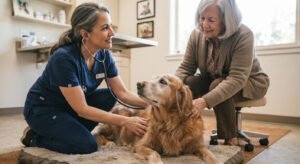
One of the most compassionate things you can do for your senior dog is involve your veterinarian early.
Many owners wait until they believe there are no options left before making an appointment. In reality, these conversations are often most helpful before a crisis occurs.
Your veterinarian knows your dog’s medical history, understands how their condition is progressing, and can explain which treatments may still improve comfort and which are no longer providing meaningful benefit.
These conversations aren’t about giving up.
They’re about ensuring every remaining day is as comfortable and peaceful as possible.
Topics to Discuss
Consider asking your veterinarian:
- Is my dog’s pain well controlled?
- Are there additional medications available?
- Would physical therapy help?
- Is hospice care appropriate?
- How quickly is this condition likely to progress?
- What emergency situations should I prepare for?
- How will I know when quality of life is declining?
- Should I begin planning for euthanasia now?
Planning ahead often removes much of the fear that accompanies sudden decisions.
Simply Chea Tip
Many families say their greatest regret was waiting until an emergency forced them to make difficult decisions under pressure.
Planning ahead gives both you and your dog greater peace of mind.
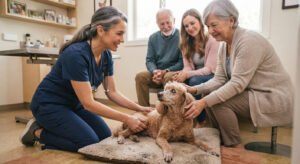
Understanding Hospice Care
Many people are surprised to learn that dogs can receive hospice care.
Just like human hospice, veterinary hospice focuses on comfort rather than cure.
The goal is not to prolong life at any cost.
Instead, hospice aims to maximize comfort while minimizing pain, stress, and anxiety.
Hospice care may include:
- Pain medication
- Anti-inflammatory medication
- Appetite stimulants
- Hydration support
- Mobility assistance
- Nutritional guidance
- Home nursing advice
- Emotional support for families
Some dogs remain in hospice care comfortably for several weeks.
Others may continue enjoying several months of good quality life.
Every situation is unique.
Palliative Care vs Hospice Care
Although the terms are often used together, they are not exactly the same.
| Palliative Care | Hospice Care |
|---|---|
| Focuses on reducing pain and improving comfort alongside ongoing treatment. | Focuses entirely on comfort when curative treatment is no longer appropriate. |
| Can begin at any stage of chronic illness. | Usually begins during the final stage of life. |
| May include surgeries or medical treatments. | Prioritizes comfort, dignity, and quality of life. |
Both approaches aim to improve your dog’s wellbeing.
Home Hospice
Many owners prefer caring for their dog at home whenever possible.
Being surrounded by familiar people, favorite beds, familiar smells, and daily routines often reduces stress.
Simple home adjustments can include:
- Extra orthopedic beds
- Food and water on every floor
- Non-slip rugs
- Support harnesses
- Ramps instead of stairs
- Gentle grooming
- Keeping favorite toys nearby
- Quiet resting areas
Small changes often make an enormous difference.

What Happens During Dog Euthanasia?
For many owners, this is the part they fear most.
Understanding the process often replaces fear with reassurance.
Every veterinary practice has its own procedures, but most follow a very similar process.
Step One: A Quiet Conversation
Your veterinarian will explain:
- the procedure
- what to expect
- any questions you may have
- whether you would like to stay with your dog
There is no right or wrong choice.
Many families remain with their dog.
Others feel unable to do so.
Both decisions come from love.
Step Two: Sedation
Many veterinarians first administer a sedative.
This allows your dog to become deeply relaxed.
Most dogs simply become sleepy and drift into a peaceful rest while surrounded by familiar voices and gentle touch.
This stage is calm.
Many owners later say their dog appeared completely comfortable.
Step Three: The Final Injection
Once your dog is fully relaxed, your veterinarian administers the euthanasia medication.
The medication works quickly and painlessly.
Your dog’s breathing slows naturally before stopping.
The heart then stops shortly afterward.
Dogs are not aware of what is happening.
They simply fall into a peaceful sleep.
What Families May Notice
Some normal reactions include:
- a final deep breath
- small muscle twitches
- eyes remaining open
- bladder release
Although these moments can be emotional, they do not mean your dog experienced pain.
Your veterinarian will explain these possibilities beforehand.
Simply Chea Tip
Many owners worry their dog will be frightened.
In reality, most dogs spend their final moments focused entirely on the people they love.
Your calm voice, gentle touch, and familiar presence provide enormous reassurance.
Home Euthanasia
Some families choose home euthanasia.
Benefits may include:
- familiar surroundings
- less anxiety
- no stressful car journey
- privacy
- the ability for the whole family to be present
Ask your veterinarian whether this service is available in your area.
Clinic Euthanasia
Many veterinary clinics have dedicated comfort rooms designed specifically for end-of-life appointments.
These rooms are often:
- quiet
- softly furnished
- private
- designed to allow families as much time as they need
There is no “better” choice.
The right decision is the one that feels most peaceful for both your dog and your family.
Preparing Yourself
Although nothing completely prepares us emotionally, planning ahead can reduce stress.
Consider:
- Who would like to be present?
- Would children attend?
- Will other pets be allowed to say goodbye?
- Would you prefer cremation or burial?
- Would you like paw prints or keepsakes?
Making these decisions before emotions become overwhelming can be helpful.
Helping Children Understand
Children often sense when something is changing.
Using honest, age-appropriate language usually helps more than trying to protect them through vague explanations.
Explain:
- their dog is very sick
- the veterinarian is helping prevent suffering
- saying goodbye is an act of kindness
- sadness is a normal part of loving someone
Allow children to ask questions.
Encourage them to share memories and participate in saying goodbye if they wish.

Talking With Other Family Members
Not everyone processes grief in the same way.
Some people may believe it’s too early.
Others may feel it’s already time.
These differences often come from love rather than disagreement.
When discussing difficult decisions:
- listen without judgment
- involve your veterinarian
- focus on your dog’s comfort
- remember there is rarely one perfect day
Keeping the conversation centered on your dog’s wellbeing often helps families reach a compassionate decision together.
Caring for Yourself After Loss
No matter how much time you’ve had to prepare, saying goodbye to a beloved dog is heartbreaking.
For many people, dogs are more than pets—they are family members, trusted companions, daily routines, and constant sources of unconditional love. Losing them leaves a space that feels impossible to fill.
There is no “correct” way to grieve.
Some people cry immediately.
Others feel numb for days or weeks.
Some experience guilt, wondering if they acted too soon or waited too long.
These feelings are incredibly common.
Almost every loving owner asks themselves afterward:
“Did I make the right decision?”
The answer is usually found by remembering why you made it.
If your decision was based on relieving suffering and protecting your dog’s dignity, it was made from love.
Understanding Grief
Grief isn’t something to “get over.”
It’s something we gradually learn to carry.
Many owners experience:
- Sadness
- Loneliness
- Guilt
- Relief that suffering has ended
- Anger
- Anxiety
- Difficulty sleeping
- Loss of routine
These emotions may come and go for weeks or months.
That is completely normal.
Simply Chea Tip
There is no timeline for grief.
Some owners begin smiling while remembering their dog within days.
Others need much longer.
Both experiences are normal.
Healing doesn’t mean forgetting.
It means learning to remember with more gratitude than pain.
Helping Other Pets Grieve
Dogs often form deep bonds with one another.
After losing a companion, surviving pets may show temporary behavioral changes.
They may:
- Search around the home
- Sleep more
- Eat less
- Become unusually clingy
- Vocalize more
- Seem quieter than usual
These reactions usually improve over time.
Maintain familiar routines whenever possible.
Continue:
- walks
- meals
- playtime
- affection
- quiet companionship
Most pets adjust gradually with patience and consistency.

Memorial Ideas
Remembering your dog’s life can become an important part of healing.
Many families find comfort by creating lasting tributes.
Ideas include:
Create a Memory Box
Include:
- collar
- favorite toy
- leash
- photographs
- paw print
- handwritten memories
Plant a Memorial Tree
A flowering tree or garden becomes a living reminder of your companion.
Create a Photo Album
Collect favorite adventures from puppyhood through the senior years.
Focus on celebrating a life well lived.
Make a Donation
Supporting an animal rescue or senior dog charity can be a meaningful way to honor your dog’s memory.
Celebrate Their Birthday
Some families continue celebrating adoption days or birthdays by volunteering, hiking, or helping another dog in need.
Love doesn’t end because life does.
When Should You Consider Another Dog?
This question has no universal answer.
Some people adopt another dog quickly.
Others wait months or years.
Neither choice is right or wrong.
A new dog should never replace the one you’ve lost.
Instead, they become a completely new chapter with their own personality and relationship.
When your heart begins to feel ready again, you’ll know.
Frequently Asked Questions
How do I know if it’s really time?
There is rarely one perfect moment.
Instead, look at your dog’s overall quality of life.
Are good days becoming less frequent?
Is pain becoming difficult to control?
Are they still enjoying meals, family interaction, and rest?
These conversations are best shared with your veterinarian.
Will my dog know what’s happening during euthanasia?
Most veterinarians first administer a sedative that allows dogs to relax peacefully.
Dogs simply drift into a deep sleep before the final medication is given.
They are not aware of the process in the way many owners fear.
Is choosing euthanasia giving up?
No.
Choosing to prevent unnecessary suffering can be one of the greatest acts of compassion an owner ever makes.
It is never about convenience.
It is about protecting the wellbeing of someone who has trusted you throughout their entire life.
Should children be present?
Every family is different.
Many veterinarians encourage honest, age-appropriate conversations.
Some children benefit from being included.
Others prefer remembering their dog differently.
Parents know their children best.
Can dogs receive hospice care at home?
Yes.
Many veterinarians now provide hospice guidance that helps owners care for dogs comfortably in familiar surroundings for as long as quality of life remains good.
How long should I grieve?
There is no timetable.
Love doesn’t follow a calendar.
Give yourself permission to heal at your own pace.
 .
.
References
This article was written using current veterinary guidance and educational resources, including information from:
- American Animal Hospital Association (AAHA)
- American College of Veterinary Behaviorists (ACVB)
- WSAVA Global Nutrition Guidelines
- Merck Veterinary Manual
- Veterinary Partner (VIN)
- The International Association for Animal Hospice and Palliative Care
Final Thoughts
One Final Gift
If you’ve reached this point in the guide, it’s likely because you love your dog deeply.
Perhaps they’ve been by your side through moves, career changes, celebrations, difficult days, and quiet evenings at home. They’ve greeted you with excitement after ordinary days and offered comfort without ever asking for anything in return.
Throughout their lives, our dogs place extraordinary trust in us.
They trust us to feed them.
To protect them.
To comfort them when they’re frightened.
To make decisions they cannot make for themselves.
Near the end of life, that trust remains unchanged.
The final decision we make is never about choosing death—it is about choosing peace over suffering, comfort over pain, and love over fear.
No owner ever feels completely ready.
That doesn’t mean you’re making the wrong decision.
It means your heart understands just how special this bond has been.
One day, the sadness of saying goodbye will slowly make room for something else.
Gratitude.
Gratitude for muddy paws on clean floors.
For wagging tails waiting at the front door.
For quiet mornings together.
For loyal companionship through every season of life.
For a friendship built entirely on unconditional love.
Your dog never expected perfection.
They simply wanted your love.
If you’ve given them a lifetime of safety, kindness, patience, and comfort—and, when the time came, protected them from unnecessary suffering—you have honored that trust in the most meaningful way possible.
Sometimes, the greatest expression of love isn’t holding on.
Sometimes…
it’s having the courage to let them rest.
Simply Chea Takeaway
Every senior dog deserves comfort, dignity, and love throughout every stage of life. While saying goodbye is one of the hardest responsibilities we ever face, making thoughtful, compassionate decisions with your veterinarian ensures your faithful companion’s final chapter is filled with the same care and devotion they gave you throughout their life.
Related Guides
Continue learning with these Simply Chea resources:
- Senior Dog Anxiety & Cognitive Health: The Complete Guide
- Dog Quality of Life Checklist
- 7 Signs Your Senior Dog Is in Pain
- How To Help a Senior Dog Sleep Through The Night
Disclaimer
This article is for general information only and is not veterinary advice. We are not veterinarians. Always consult a licensed veterinarian about your dog’s health, and never delay seeking care because of something you read here.
Last updated: July 2026. We research independently. Some links are affiliate links — this costs you nothing and helps fund our work.