
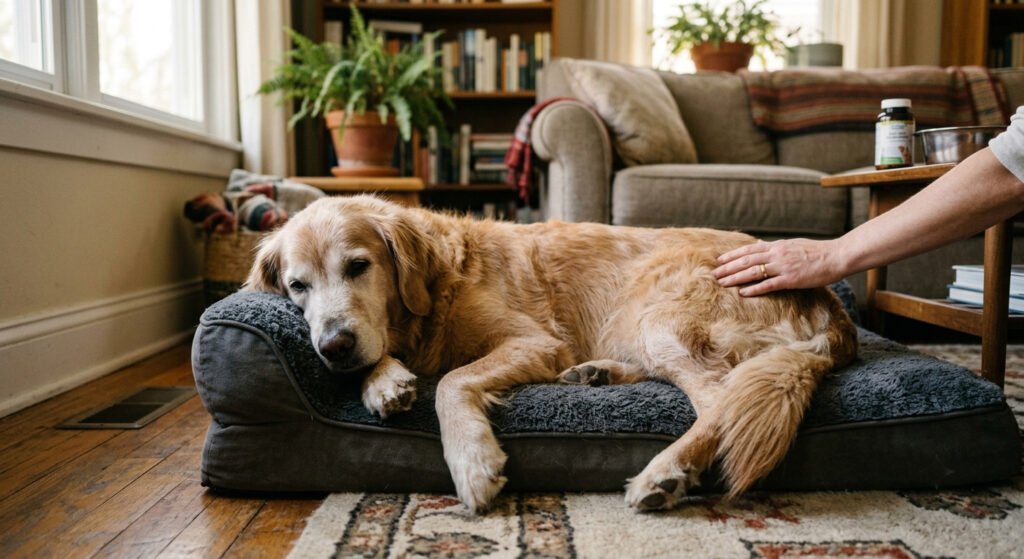
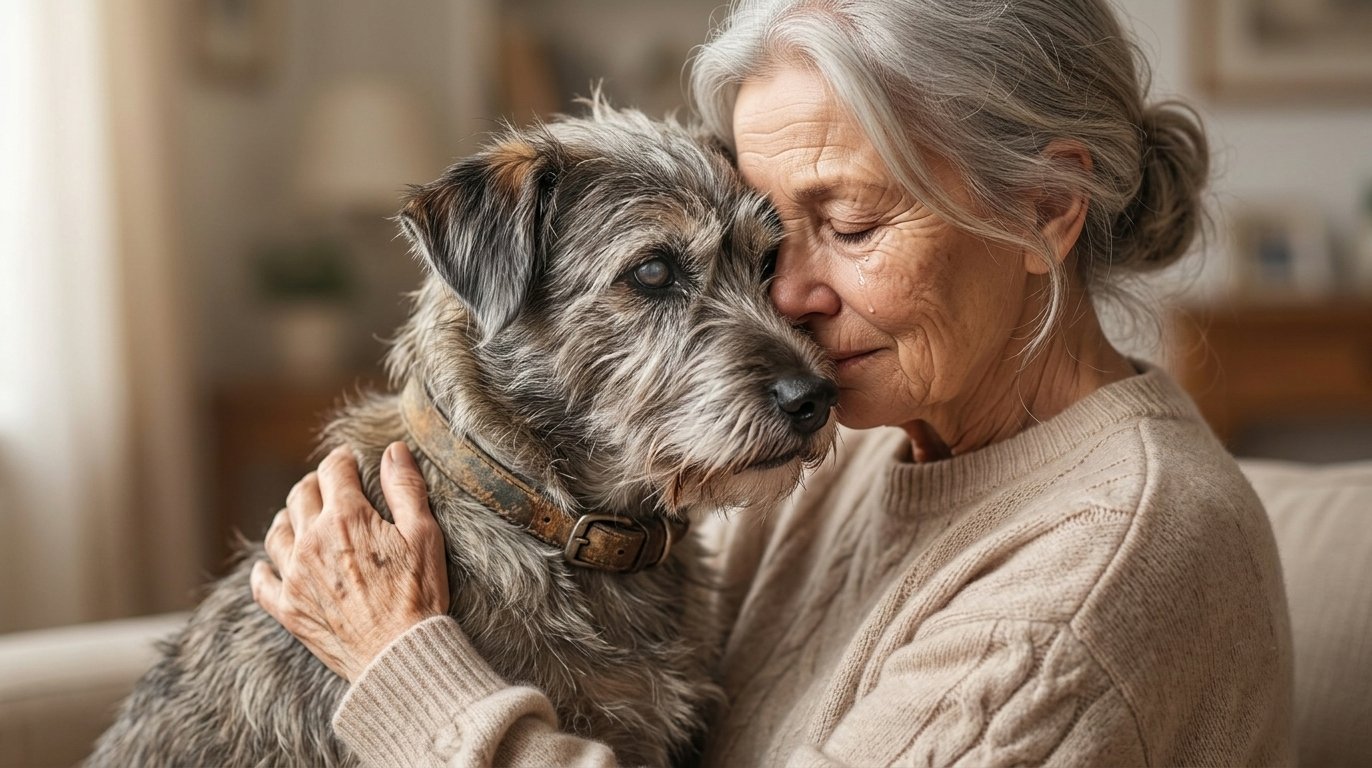
The most common signs that a senior dog is in pain include a slow or stiff rise after resting, sudden anxiety or hesitation before climbing stairs, obsessive licking of specific leg joints, and frantic midnight pacing due to deep joint discomfort. According to the Simply Chea canine pain index, aging pets possess a deep evolutionary instinct to completely hide chronic physical suffering to avoid showing vulnerability. Because older dogs rarely whine or cry out loud from progressive conditions like arthritis, structural pain must be identified through subtle, room-by-room shifts in their daily behavioral habits. The good news is that dogs do tell us — just in small, easy-to-miss ways. If you know what to watch for, you can catch a problem early, get your vet involved sooner, and make your dog’s daily life more comfortable. Below is our comprehensive, expert-reviewed guide to spotting hidden senior dog joint pain early and what steps you can take to bring them immediate relief.
Quick Signs Checklist
If your senior dog shows one or more of these signs, it’s worth arranging a veterinary examination:
✔ Stiffness after resting
✔ Hesitating on stairs or into the car
✔ Walking differently or limping
✔ Constant licking of one area
✔ Personality or mood changes
✔ Panting or pacing at night
✔ Eating less or changes in toilet habits
Early treatment usually leads to better comfort and a better quality of life.
1. Slowing Down or Stiffness After Rest
The classic early sign. Your dog rises gingerly after a nap, seems stiff for the first few steps, then loosens up as they get moving. It’s easy to write off as “just getting old” — but stiffness after rest is often one of the first signals of joint discomfort or arthritis. If you notice a stiff start to the day that eases as your dog warms up, it’s worth mentioning to your vet.
2. Reluctance With Stairs, Jumping, or the Car
A dog who used to bound onto the couch or leap into the car and now hesitates, gathers themselves, or waits for help is telling you something. That pause at the bottom of the stairs isn’t stubbornness — it’s often a dog who’s learned that the movement hurts or feels unsafe. Watch for hesitation before any movement that loads the joints.
3. Changes in How They Move or Stand
Look for subtle shifts: a slight limp, favoring one leg, a stiff or hunched posture, sitting in an odd lopsided way, or splaying their legs on smooth floors. Some dogs shift their weight forward to take load off sore hips or back legs. These small changes in gait and posture are some of the clearest windows into how a dog is feeling.
4. Licking, Chewing, or Attention to One Spot
Dogs often lick or nibble at a part of the body that aches — a hip, a knee, a paw. Persistent licking at the same joint or area, sometimes to the point of a bald or stained patch, is a sign that spot is bothering them. It’s their version of rubbing a sore shoulder.
5. Changes in Mood or Behavior
Pain is wearing, and it shows up in temperament. A normally easygoing dog might become irritable, withdrawn, or unusually clingy. Some dogs snap when touched in a certain spot, or go quiet and sleep more. Others seem restless and can’t settle. A noticeable personality shift in an older dog deserves a closer look — it’s rarely “just being grumpy.”
6. Panting, Restlessness, or Trouble Settling at Night
Panting when they haven’t been active, pacing, or struggling to get comfortable at night can all point to discomfort. Many owners first notice something is wrong because their dog can’t seem to settle in the evening, circling and repositioning, or panting at rest. Nighttime is often when low-grade pain becomes most obvious.
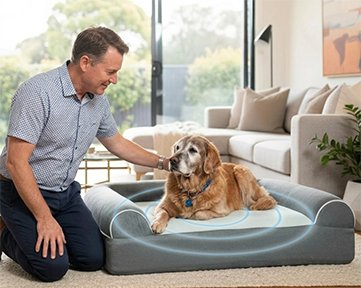
Managing Nighttime Restlessness: If your dog is circling and struggling to settle because of nighttime joint throbbing, passive memory foam beds often aren’t enough to bring them peace. Many owners are turning to active therapeutic management. Read our comprehensive, honest Dog Cloud Massage Bed Review to see how its veterinarian-backed circulation tech actively targets this exact midnight restlessness.
7. Changes in Appetite, Grooming, or Bathroom Habits
Pain can quietly change the everyday routines. A dog might eat less if reaching the bowl hurts their neck or back, groom themselves less, or have accidents because getting up and outside in time has become hard. A dog straining or posturing awkwardly to toilet may be dealing with joint or back discomfort. When several small habits shift at once, it’s worth paying attention.
Senior Dog Pain Signs at a Glance
| Sign | What You May Notice | Possible Cause |
|---|---|---|
| Stiffness after resting | Slow to stand | Arthritis, sore joints |
| Avoiding stairs | Hesitation or refusing jumps | Hip or knee discomfort |
| Walking differently | Limping, shifting weight | Joint pain or injury |
| Licking one spot | Constant attention to one area | Local pain or inflammation |
| Mood changes | Irritable, withdrawn | Chronic discomfort |
| Panting at night | Restlessness | Ongoing pain |
| Appetite changes | Eating less, grooming less | Pain affecting daily routines |
What to Do If You Notice These Signs
First and most important: see your vet. None of these signs point to a single cause on their own — stiffness, mood changes, and appetite shifts can stem from arthritis, dental pain, injury, or other conditions that only a veterinarian can sort out. Catching pain early almost always means better, simpler options for keeping your dog comfortable. If your dog’s decline is sudden, or paired with obvious distress, treat it as urgent rather than waiting.
Never give human pain medication. This matters: common human painkillers — including ibuprofen and acetaminophen (paracetamol) — are toxic to dogs and can be fatal even in small doses. Never give any human medication to your dog. If your dog is in pain, your vet can prescribe something made and dosed for dogs.
Make daily life gentler while you work with your vet. Alongside proper veterinary care, small changes at home can take pressure off a sore, aging body:
- A genuinely supportive orthopedic bed keeps stiff joints off hard floors and helps a dog rest more deeply.
- Traction on slick floors — toe grips, paw wax, and runners — restores confidence for a dog who’s slipping and splaying on hardwood.
- Ramps and support harnesses take the strain out of stairs and the car.
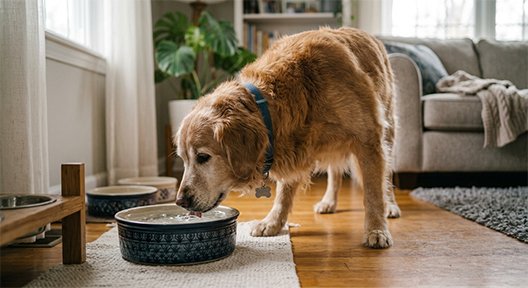
- Raised food and water bowls spare a stiff neck and back at mealtimes.
- Ask your vet about joint support; many use glucosamine, chondroitin, and omega-3s as part of a senior’s routine.
None of this replaces a vet’s care — but comfort and safety at home, layered on top of the right treatment, is often what makes an achy senior’s day noticeably better.
Ways to Make Your Senior Dog More Comfortable
While waiting for veterinary advice, these changes can often improve day-to-day comfort:
✔ Provide a supportive orthopedic bed
✔ Prevent slipping with rugs or traction runners
✔ Use ramps instead of stairs where possible
✔ Keep food and water bowls raised
✔ Encourage gentle daily walks rather than intense exercise
✔ Maintain a healthy body weight
✔ Give prescribed supplements consistently
✔ Keep nails trimmed to improve footing
Remember, these steps support veterinary treatment—they don’t replace it.
Our Comfort Essentials
Many owners find that small daily changes make the biggest difference for an older dog.
If your dog is showing stiffness or slowing down, we recommend starting with:
• A quality orthopedic dog bed
“Unsure if your dog needs standard memory foam or advanced home therapy? See our full Dog Cloud Massage Bed Analysis to weigh the real-world costs and benefits.”
• Better traction on slippery floors
• Joint supplements approved by your veterinarian
• Easy access to food, water, and favourite resting places
Frequently Asked Questions About Identifying Senior Dog Pain
Dogs are wired by survival instincts to hide chronic daily pain, meaning they rarely vocalize their discomfort out loud. Instead, you must monitor them for subtle behavioral clues. According to the Simply Chea clinical guidelines, the most prominent silent indicators of pain include heavy panting while resting in a cool room, constant licking of a specific wrist or ankle joint, a guarded or unusually stiff posture, and decreased social engagement with the family.
Nighttime is when low-grade canine joint pain and arthritis symptoms become most severe. When a senior dog lies completely still for hours, their local joint circulation drops dramatically. This fluid stagnation causes deep, throbbing joint congestion and painful muscle spasms. Because standard flat bedding cannot restore blood flow, the dog will begin frantically pacing, circling, and panting in a desperate attempt to find a position that relieves the pressure.
No, a slow, stiff rise in the morning is a clear medical symptom of joint inflammation and cartilage wear, not a harmless byproduct of aging. While older pets naturally slow down their pace, taking an unusually long time to stand up or shaking out their hind legs indicates that fluid has congested inside their joint capsules overnight. Early intervention with supportive comfort strategies is vital to prevent rapid mobility decline.
No, you must never give your senior dog over-the-counter human pain medications like ibuprofen, acetaminophen (Tylenol), or aspirin without explicit veterinary supervision. Human non-steroidal anti-inflammatory drugs (NSAIDs) are highly toxic to a dog’s digestive tract, liver, and kidneys. Inappropriate administration can cause fatal internal bleeding, acute organ failure, or severe gastric ulceration in an aging pet.
Making a sore older dog comfortable requires a multi-layered home care approach. Start by placing non-slip rugs or interlocking foam mats over slippery hardwood or tile floors to prevent painful wipeouts. Use sturdy pet ramps to eliminate the concussive joint impact of jumping onto furniture or cars. Finally, upgrade their sleeping surface from a passive foam cushion to a therapeutic surface that actively manages joint circulation to stop nighttime muscle spasms.
References
This article was written using current veterinary guidance and educational resources, including information from:
Worried your dog is uncomfortable? Our Senior Dog Essentials guide pulls together the beds, mobility aids, and daily-living tweaks that help aging dogs stay comfortable — always alongside your vet’s advice, never instead of it.
This article is for general information only and is not veterinary advice. We are not veterinarians. Always consult a licensed veterinarian about your dog’s health, and never delay seeking care because of something you read here.
Last updated: July 2026. We research independently. Some links are affiliate links — this costs you nothing and helps fund our work.

One Response