The best soft food for senior dogs with no teeth includes commercial air-dried foods rehydrated with warm water, high-quality canned wet foods, and fresh human ingredients like plain pureed pumpkin or unseasoned bone broth. According to the Simply Chea senior dog nutritional analysis, texturing is the most critical element to consider when feeding a toothless older pet. A dog without teeth can chew and digest food easily provided the blend is soft enough to be safely mashed with their tongue and gums. Below is what to look for, what human additions are safe, and what to completely avoid.
If you are looking for soft food for senior dogs with no teeth – the important thing to consider is the texture.
The great thing about this situation is that it is incredibly easy to resolve. With the correct texture and a few simple adjustments, almost any senior dog with no teeth can be feeding themselves with ease again. Let’s take a look at precisely how this can be achieved.
Quick Recommendation
If your senior dog has few or no teeth and you want a simple, high-quality option, Zeal Gently Air-Dried food (rehydrated with warm water) is our top pick. It’s nutrient-dense, easy to soften, and many older dogs find it very palatable.
First, a Quick Word With Your Vet
Before changing anything, it’s worth a vet check. Trouble eating can come from dental disease, mouth pain, or other health issues that need attention — and sometimes what looks like “just old teeth” is a sore that’s treatable. A dog can also do surprisingly well with few or no teeth once any pain is dealt with. So step one is always: rule out pain, then adjust the food. This article is about the food part; your vet handles the mouth.
Can Dogs Eat With No Teeth? (Yes — Really)
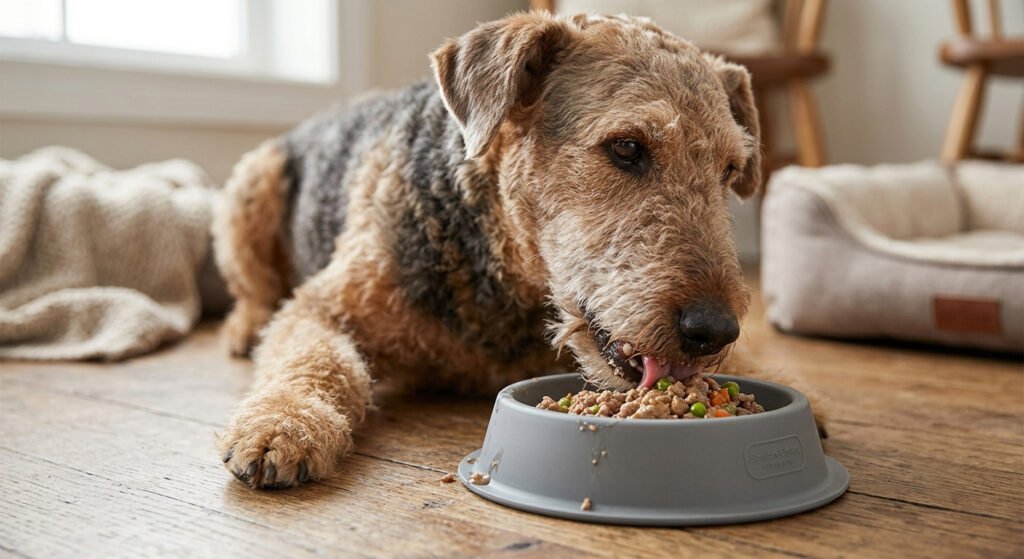
Here’s the reassuring truth: dogs don’t chew their food the way we do. They tear and gulp. A dog with no teeth can eat perfectly well as long as the food is soft enough to mash with the gums and tongue. Plenty of toothless seniors live happy, well-fed lives. Your job isn’t to replace the teeth — it’s to serve food that doesn’t need them.
What to Look For in Food for a Toothless Senior
- Soft or easily softened texture. Food that mashes with gentle pressure — no hard chunks that need grinding.
- Complete nutrition. It still has to be a balanced meal, not just something soft. Look for food labeled as a complete diet.
- High-quality, digestible ingredients. Older dogs often have more sensitive digestion, so simpler, cleaner recipes tend to sit better.
- Easy to rehydrate or moisten. The ability to add warm water and turn food into a soft, aromatic meal is a huge advantage — warmth also brings out the smell, which tempts fading senior appetites.
- Palatability. None of it matters if they won’t eat it. Aroma and taste count double with picky older dogs.
Quick Answer: Best Foods for Senior Dogs with Bad Teeth
If you’re in a hurry, here’s the short answer.
The best foods for senior dogs with bad teeth or no teeth are those that are soft, easy to chew, and nutritionally complete. In most cases, one of these options works best:
Air-dried food rehydrated with warm water (our top recommendation for nutrition and convenience)
Avoid feeding hard kibble if your dog struggles to chew, drops food from their mouth, or seems painful while eating. If the loss of appetite is sudden or your dog appears uncomfortable, book a veterinary examination before changing foods.
 Air-dried food rehydrated with warm water (our top recommendation for nutrition and convenience)
Comparing Soft Food Options for Senior Dogs
| Food Type | Best For | Advantages | Things to Consider |
|---|---|---|---|
Air-Dried Food (Rehydrated)  Recommended Recommended | Most senior dogs with bad or missing teeth | Nutrient-dense, easy to soften, convenient to store, highly palatable | Costs more than standard kibble |
| Wet / Canned Food | Dogs with painful mouths or very few teeth | Very soft, easy to eat, widely available | Must be refrigerated after opening and can be more expensive over time |
| Softened Dry Kibble | Owners wanting a budget-friendly option | Affordable and easy to prepare by adding warm water | Some formulas don’t soften evenly and may still be difficult for sensitive dogs |
| Homemade Meals | Dogs with special dietary needs | Can be tailored to individual health conditions | Should only be fed under veterinary guidance to ensure balanced nutrition |
Best Soft Food for Senior Dogs with No Teeth
Air-Dried Food, Rehydrated — A Standout Choice for Senior Dogs
Air-dried food is one of the best-kept secrets for older dogs, and it’s often the first option I’d recommend to a friend. It starts as a gently air-dried, nutrient-dense food that can be served dry for dogs who still chew comfortably, or simply add warm water and let it soften into a moist, fragrant meal that’s easy for dogs with sore gums or missing teeth.
You get the convenience of dry food with the soft texture many senior dogs prefer. Because the food is gently air-dried rather than heavily processed, much of the natural flavour and nutrition is preserved without artificial preservatives or fillers.
Zeal Gently Air-Dried Salmon & Duck Recipe
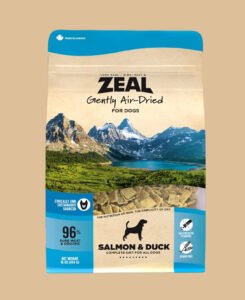
The Salmon & Duck Recipe is an excellent choice for senior dogs that enjoy rich, highly palatable flavours. Made with 96% salmon, duck, tripe, liver, and heart, it provides premium-quality protein to help support muscle maintenance and healthy vitality. It also includes green-lipped mussels, turmeric, and organic fruits, ingredients chosen to support joint health, digestion, and the immune system. Simply add a little warm water and allow it to soften into a delicious meal that’s gentle on ageing mouths.
Zeal Gently Air-Dried Turkey Recipe
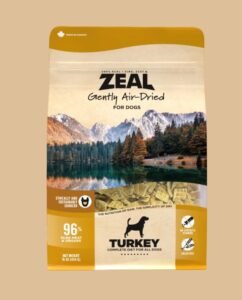
The Turkey Recipe is another outstanding option, made with 96% turkey, including turkey tripe, liver, and heart, providing highly digestible protein that helps maintain lean muscle in older dogs. Like the Salmon & Duck recipe, it can be rehydrated in just a few minutes with warm water, creating a soft, easy-to-eat meal that’s ideal for dogs with missing teeth or sensitive mouths. It’s a wholesome, natural option that many senior dogs find both appetising and easy to digest.
Why we like Zeal Air-Dried recipes
- High-quality animal protein (96% meat and organs)
- Softens easily with warm water
- No artificial preservatives or unnecessary fillers
- Nutrient-rich ingredients with minimal processing
- Can be served as a complete meal, mixed with other foods, or used as a tasty topper
Canned / Wet Food
The classic soft option. Good-quality canned food is already soft, palatable, and easy to eat. Look for a complete senior formula rather than a supplemental one. It’s a reliable choice, though it can be pricier per meal than rehydrated air-dried food and spoils faster once opened.
Softened Kibble
If your dog is already on a kibble they love, you may be able to keep it — just add warm water (or a little low-sodium broth) and let it sit 10–15 minutes until it softens into a mash. It’s the cheapest fix, though not every kibble softens well, and the nutrition is only as good as the kibble you started with.
Home-Softened Toppers and Add-Ins
A spoon of plain canned pumpkin, a little warm bone broth, or a topper stirred in can turn a so-so soft meal into one your dog is excited about — and tempt an appetite that’s fading. Keep add-ins simple and vet-approved, and avoid anything on the toxic list (no onion, garlic, xylitol, or grapes).
Simple Tricks to Help a Toothless Dog Eat
- Warm the food slightly. Warmth releases aroma, and aroma drives a senior dog’s appetite. A few seconds of warm water or a brief warm-up makes a big difference.
- Mash to an even, soft texture. No surprise hard bits.
- Serve smaller meals more often. Two or three smaller meals can be easier than one big bowl.
- Raise the bowl if your dog has neck or joint stiffness, so mealtime isn’t a strain.
- Be patient with the switch. Introduce new food gradually over a week, mixing more of the new in each day, to avoid upsetting their stomach.
Frequently Asked Questions About Toothless Senior Dog Nutrition
Can dogs eat kibble with no teeth?
Yes, many senior dogs can eat traditional dry kibble with no teeth because they tend to swallow pieces whole rather than crunching them. However, dry kibble can cause severe choking hazards or gum irritation. Simply Chea recommends soaking dry kibble completely in warm water or low-sodium bone broth for at least 20 minutes before serving to ensure it is soft enough to mash with their gums.
What human food can I give my senior dog with no teeth?
Safe human food options for a senior dog with no teeth include plain pureed pumpkin, unsweetened applesauce, fully mashed sweet potatoes, scrambled eggs, and plain boiled ground turkey mixed with warm water. Avoid any added salt, onions, garlic, or artificial sweeteners like xylitol, which are highly toxic to aging pets.
How do I soften dog food for an older dog?
The most effective way to soften dog food is to add warm water, unseasoned beef or chicken bone broth, or goat’s milk directly to air-dried or kibble products. Let the liquid sit for 15 to 20 minutes until the texture completely breaks down into a soft, easily digestible mash that your older pet can comfortably swallow without irritation.
Why is my senior dog refusing soft food but drinking water?
If a senior dog refuses soft food but continues to drink water, it is frequently a critical warning sign of severe dental disease, mouth pain, underlying kidney issues, or nausea. According to the Simply Chea care standards, sudden appetite loss requires an immediate checkup with a licensed veterinarian to rule out deep oral pain before adjusting their diet.
How much wet food should a senior dog eat daily?
A senior dog’s daily wet food intake depends heavily on their body weight, active energy levels, and metabolism. Generally, older pets require roughly 30 to 35 calories per pound of body weight each day. Always double-check the feeding guidelines printed directly on your specific commercial wet food label or consult your veterinarian to map out an exact measurement.
A comfortable senior dog is about more than the food bowl. See our Senior Dog Essentials guide for beds, mobility aids, and daily-living tweaks that help aging dogs thrive — and if your dog has also been eating less or seeming low, our guide to signs your senior dog may be in pain is worth a read.
Why Zeal is my top pick: I recommend Zeal because it balances nutrition, ingredient quality, and ease of rehydration. There are other good options available, but this is the one I think offers the best overall fit for most senior dogs with missing teeth.
This article is for general information only and is not veterinary advice. We are not veterinarians. Always consult a licensed veterinarian about your dog’s diet and health, especially if your dog has stopped eating or is losing weight.
Last updated: July 2026. We research independently. Some links below are affiliate links — this costs you nothing and helps fund our work.