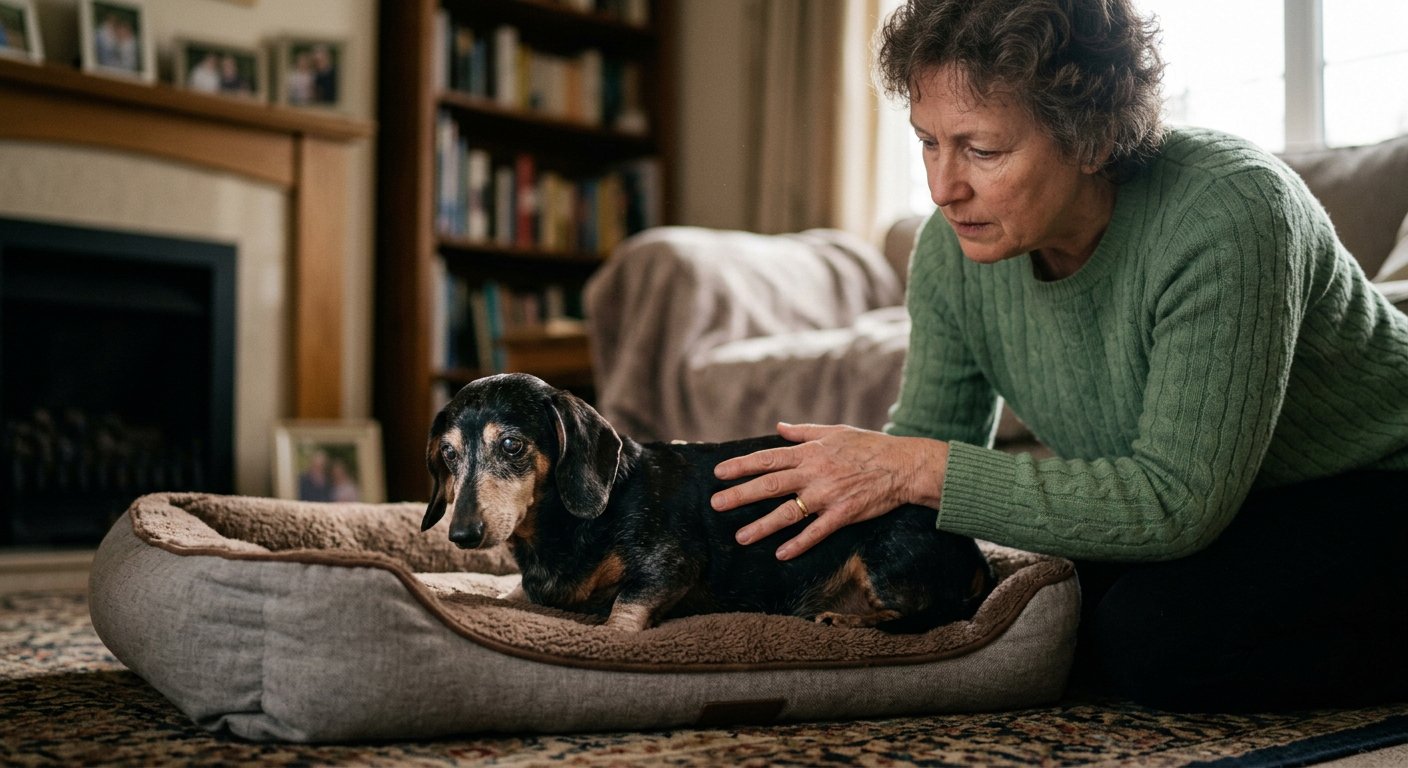
If you’ve been searching for ways to help your senior dog with arthritis, anxiety, or the challenges of growing older, you’ve almost certainly come across CBD. Is CBD safe for senior dogs?
Some owners describe it as life-changing. Others say it did very little. The internet is full of bold claims—but surprisingly little balanced information.
The truth is somewhere in the middle.
CBD isn’t a miracle cure, and it isn’t appropriate for every dog. But when used thoughtfully, alongside veterinary guidance, it may provide additional comfort for some senior dogs dealing with chronic pain, mobility issues, or age-related anxiety.
At Simply Chea, we believe your dog deserves honest information—not hype. This guide explains what CBD is, what current research suggests, how to choose a quality product, and when it’s time to have a conversation with your veterinarian.
What Is CBD?
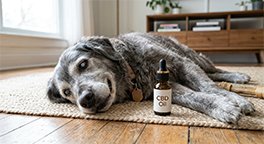
CBD (Cannabidiol) is a naturally occurring compound extracted from hemp plants.
Unlike THC—the compound responsible for the “high” associated with marijuana—CBD products made specifically for pets contain little to no THC and are formulated to avoid intoxicating effects.
Researchers believe CBD interacts with the body’s endocannabinoid system, a network involved in regulating:
- Pain perception
- Inflammation
- Sleep
- Mood
- Appetite
- Stress responses
Although research in dogs is still developing, interest has grown rapidly over the last few years.
Can CBD Help Senior Dogs?

Possibly—but it’s important to keep expectations realistic.
CBD should never replace veterinary care, especially if your dog has arthritis, cognitive decline, or another medical condition.
Instead, many veterinarians consider CBD one piece of a broader care plan.
Some dogs may experience improvements in:
Arthritis discomfort
Chronic osteoarthritis is one of the most common conditions affecting older dogs.
Some studies suggest CBD may help reduce discomfort and improve daily mobility in certain dogs when used alongside veterinary treatment.
Owners sometimes report their dogs:
- walk more comfortably
- rise from lying down more easily
- appear more willing to play
- seem generally more comfortable
Results vary considerably between dogs.
Anxiety
Older dogs may become anxious because of:
- Cognitive Dysfunction Syndrome (dog dementia)
- vision loss
- hearing loss
- separation anxiety
- disrupted sleep
Some owners report calmer behavior after introducing CBD, although research is still limited.
Better Rest
Pain often interrupts sleep.
When discomfort is reduced, some senior dogs naturally begin sleeping more comfortably through the night.
Again, CBD isn’t a sleeping medication—it may simply help some dogs feel more comfortable.
What Does the Research Actually Say?
Current research is encouraging—but still limited.
Several veterinary studies have reported improvements in pain scores and mobility in dogs with osteoarthritis after CBD supplementation.
However:
- studies are generally small
- products differ widely
- dosages vary
- long-term safety research is still ongoing
That means CBD should be viewed as a supportive option—not a proven cure.
The American Veterinary Medical Association and many veterinary specialists encourage more research before making broad claims.
Is CBD Safe?
For many healthy adult dogs, quality CBD appears to be well tolerated.
However, “natural” does not automatically mean “safe.”
Possible side effects include:
- Sleepiness
- Mild digestive upset
- Loose stools
- Dry mouth
- Temporary changes in appetite
These effects are usually mild but should still be monitored.
Dogs That Need Extra Caution
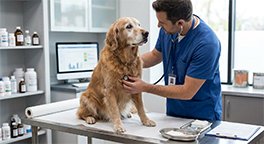
Always speak with your veterinarian before using CBD if your dog:
- takes prescription medications
- has liver disease
- has kidney disease
- has seizures
- is pregnant
- has an upcoming surgery
CBD may affect how certain medications are processed by the liver.
One of the Biggest Problems: Poor Quality Products
This is where many owners unintentionally make mistakes.
The CBD market isn’t regulated as strictly as prescription medications.
Some products contain:
- inaccurate CBD levels
- contaminants
- pesticides
- excessive THC
- little active CBD at all
Quality matters far more than clever marketing.
What to Look For
✔ Choose CBD That Has:
- Third-party lab testing
- Pet-specific formula
- THC-free or very low THC
- Clear dosage instructions
- Transparent ingredients
Choose companies that provide:
✔ Third-party laboratory testing
✔ Clear CBD content
✔ THC-free or extremely low THC
✔ Pet-specific formulas
✔ Ingredient transparency
Avoid products that promise:
- “cures arthritis”
- “works instantly”
- “replaces medication”
Those are major red flags.
Our Approach at Simply Chea
We don’t recommend buying the cheapest bottle—or the most expensive one.
We recommend buying from companies that are transparent, tested, and designed specifically for dogs.
Two brands that consistently provide laboratory testing and pet-focused formulations are:
Innovet
Known for pet-specific CBD oils and chews with extensive educational resources.
Good option for:
- arthritis support
- mobility
- older dogs
Honest Paws
Offers CBD oils, soft chews, and calming products formulated specifically for dogs.
Many owners appreciate the simple dosing guidelines and ingredient transparency.
Neither brand is a miracle solution—and neither can replace veterinary care—but both represent the kind of quality standards we believe owners should look for.
| Brand | Best For | Form |
|---|---|---|
| Innovet | Mobility & joint comfort | Oils, chews |
| Honest Paws | Daily wellness & calming | Oils, chews |
We recommend choosing products based on quality, third-party testing, and your veterinarian’s advice—not simply because they’re popular.
CBD Works Best Alongside Other Care
Think of CBD as one possible tool—not the entire toolbox.
Senior dogs often benefit from combining several approaches:
- Healthy weight management
- Daily gentle exercise
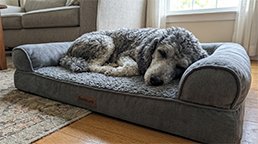
- Orthopedic bedding
- Joint supplements
- Physical therapy
- Soft, nutritious foods
- Veterinary pain management
- Regular checkups
The goal isn’t simply reducing pain.
It’s preserving quality of life.
Questions to Ask Your Veterinarian
Before starting CBD, ask:
- Is CBD appropriate for my dog’s condition?
- Could it interact with current medications?
- What dose would you recommend?
- How long should I try it?
- What improvements should I realistically expect?
- When should I stop using it?
Final Thoughts
Watching your dog grow older is never easy.
When they’re moving more slowly, sleeping differently, or showing signs of discomfort, it’s natural to look for anything that might help.
CBD may offer additional comfort for some senior dogs—but it isn’t a miracle cure, and it shouldn’t replace veterinary care.
The best approach is thoughtful, informed, and patient.
Choose quality products. Watch your dog’s response carefully. Keep your veterinarian involved.
Your senior dog doesn’t need perfect health.
They simply deserve the happiest, most comfortable life possible.
Related Articles
- Best Orthopedic Beds for Senior Dogs
- Best Soft Foods for Senior Dogs With No Teeth
- Best Joint Supplements for Senior Dogs
- 7 Signs Your Senior Dog Might Be in Pain
- Senior Dog Essentials Guide
Veterinary Disclaimer
The information on Simply Chea is provided for educational purposes only and is not a substitute for professional veterinary advice. Always consult your veterinarian before starting any medication, supplement or treatment plan for your dog.
Last updated: July 2026. We research independently. Some links are affiliate links — this costs you nothing and helps fund our work.