As dogs grow older, their exercise needs naturally change—but they don’t disappear.
Many owners worry they’ll overdo it and make arthritis or joint pain worse. Others assume slowing down means their dog no longer needs regular walks or playtime.
The truth lies somewhere in between.
While senior dogs usually need less intense exercise than they did in their younger years, staying active remains one of the best ways to support healthy aging.
Regular movement helps keep joints flexible, muscles stronger, weight under control, and minds engaged. It can even improve sleep quality and reduce boredom or anxiety.
The key isn’t exercising harder.
It’s exercising smarter.
In this guide, you’ll learn how much exercise most senior dogs need, how to recognize when your dog has had enough, the best low-impact activities, and simple ways to keep your older companion active without putting unnecessary strain on aging joints.
At a Glance
| Quick Facts | |
|---|---|
| Most senior dogs benefit from daily exercise tailored to their health and mobility. | |
| Shorter, more frequent walks are often better than one long walk. | |
| Gentle exercise helps support joints, muscles, and mental wellbeing. | |
| Dogs with arthritis usually benefit from regular movement rather than complete rest. | |
| Always adjust activity based on your dog’s energy level and veterinary advice. | |
| Stop exercise immediately if your dog shows signs of pain or exhaustion. |
Why Exercise Still Matters as Dogs Age
It’s easy to assume that because an older dog sleeps more, they need much less activity.
In reality, regular exercise remains an important part of maintaining your dog’s health.
Gentle movement helps:
- Keep joints flexible
- Maintain muscle strength
- Support a healthy weight
- Improve circulation
- Reduce stiffness
- Encourage better balance
- Provide mental stimulation
- Strengthen the bond between you and your dog
Without enough activity, muscles gradually weaken, joints become stiffer, and everyday movements can become more difficult.
For dogs with arthritis, complete rest often makes stiffness worse. Controlled, low-impact exercise is usually more beneficial than avoiding activity altogether.
Simply Chea Tip
Think of exercise as daily maintenance for your dog’s body. Gentle movement helps keep joints lubricated and muscles working, making everyday activities easier.
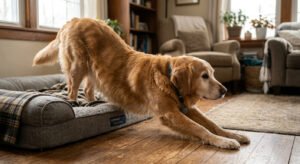
Benefits of Regular Exercise
Exercise supports far more than physical fitness.
For senior dogs, daily activity can improve overall quality of life in several ways.
Better Mobility
Regular walking helps maintain flexibility and encourages natural joint movement.
Stronger Muscles
Muscles support joints.
Keeping muscles active helps reduce strain on aging hips, knees, and shoulders.
Healthy Weight
Extra weight places additional stress on painful joints.
Regular exercise, combined with good nutrition, helps maintain a healthy body condition.
Better Sleep
Many senior dogs settle more easily at night after enjoying gentle daytime activity.
If your dog struggles to sleep, you may also find our guide How to Help a Senior Dog Sleep Through the Night helpful.
Improved Mental Health
Walking allows dogs to explore new scents, environments, and experiences.
This mental stimulation can reduce boredom while supporting healthy brain function.
For additional enrichment ideas, see Best Brain Games for Senior Dogs.
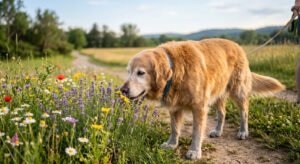
How Much Exercise Does a Senior Dog Need?
There isn’t one perfect number.
The right amount depends on:
- Age
- Breed
- Overall health
- Weight
- Mobility
- Medical conditions
- Fitness level
However, many healthy senior dogs benefit from approximately 30 to 60 minutes of gentle daily activity, divided into two or three shorter sessions rather than one long outing.
For dogs with arthritis, recovering from illness, or showing signs of Canine Cognitive Dysfunction (CCD), your veterinarian may recommend shorter, more frequent walks tailored to your dog’s individual needs.
Remember, quality matters more than quantity. A calm 20-minute sniff walk can often be more beneficial than a longer, faster walk that leaves your dog exhausted.
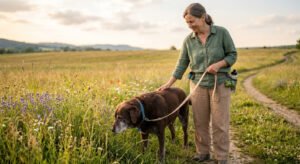
Exercise Recommendations by Age
These are general guidelines only. Every dog ages differently, so always adjust exercise based on your dog’s health, mobility, and your veterinarian’s advice.
| Age | General Recommendation |
|---|---|
| 7–9 years | 45–60 minutes of daily activity, divided into one or two walks plus gentle play. |
| 10–12 years | 30–45 minutes of gentle walking, split into shorter sessions with rest breaks. |
| 13+ years | Several short walks and light enrichment activities tailored to your dog’s comfort level. |
Dogs with chronic conditions may need less—or sometimes more structured—exercise than these general recomendations.
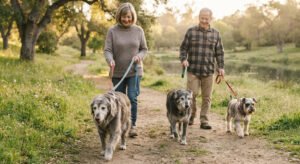
The Best Types of Exercise for Senior Dogs
Not all exercise needs to involve long walks or energetic play.
For older dogs, the goal is to keep the body moving while minimizing unnecessary stress on aging joints.
Here are some of the safest and most beneficial activities.
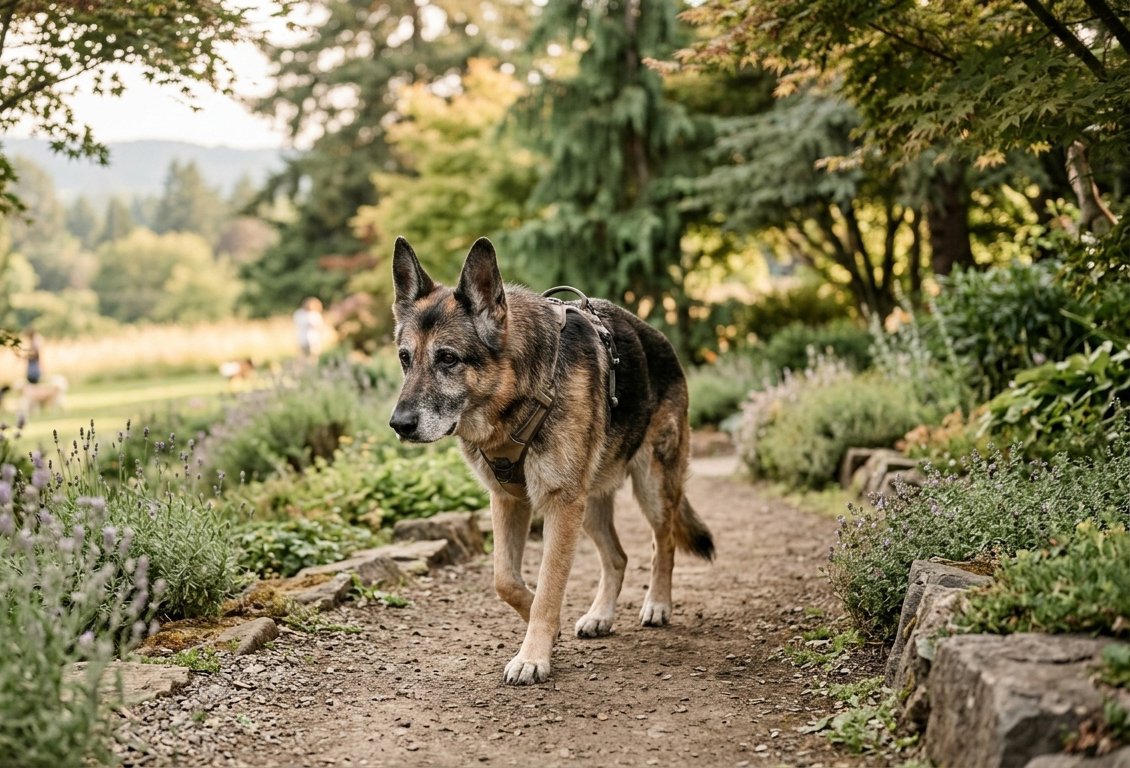
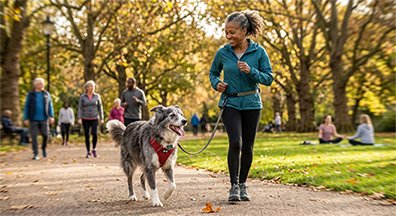
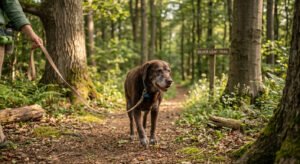
1. Gentle Daily Walks
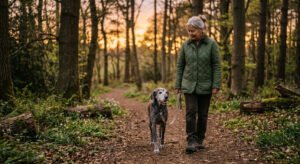
Walking remains one of the best forms of exercise for most senior dogs.
It helps maintain muscle tone, joint flexibility, cardiovascular health, and mental stimulation—all without requiring expensive equipment.
Allow your dog to set the pace whenever possible.
Some days they may feel energetic.
Other days they may prefer a slower stroll with plenty of time to sniff.
Both are perfectly normal.
2. Sniff Walks
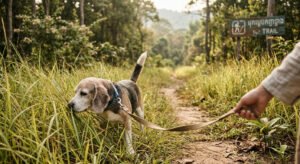
A sniff walk focuses less on distance and more on exploration.
Instead of encouraging your dog to keep moving, allow them to investigate scents, trees, grass, and new environments.
Sniffing provides valuable mental stimulation while naturally slowing the pace.
For many senior dogs, this combination of gentle movement and brain enrichment is more rewarding than covering a long distance.
Simply Chea Tip
Think of a sniff walk as exercise for both the body and the brain.
3. Swimming
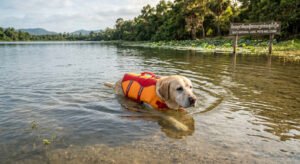
If your dog enjoys water and your veterinarian agrees it’s appropriate, swimming can be an excellent low-impact exercise.
Water supports the body’s weight, reducing stress on painful joints while allowing muscles to work gently.
Swimming may be particularly beneficial for some dogs with arthritis.
Always supervise your dog closely and use a canine life jacket if needed.
Avoid forcing dogs that are uncomfortable around water.
4. Gentle Play Sessions
Play doesn’t stop simply because your dog is getting older.
Many senior dogs still enjoy:
- Soft games of fetch
- Tug with gentle resistance
- Hide-and-seek
- Rolling a ball across the floor
- Interactive toys
Keep sessions short and stop before your dog becomes tired.
5. Brain Games That Encourage Movement
Mental enrichment often involves gentle physical activity as well.
Activities such as:
- Snuffle mats
- Treat treasure hunts
- Puzzle feeders
- Find-the-toy games
encourage your dog to move naturally while keeping their mind engaged.
Our guide Best Brain Games for Senior Dogs includes several simple activities suitable for older dogs.
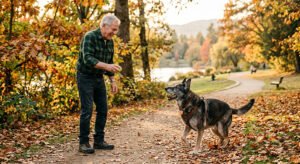
6. Gentle Stretching
Some veterinarians and canine rehabilitation professionals recommend gentle stretching exercises for dogs with reduced mobility.
These should always be demonstrated by a qualified professional before attempting them at home.
Incorrect stretching can cause discomfort or injury.
Simple activities such as encouraging your dog to slowly turn their head toward a treat on each side may also help promote comfortable movement without forcing any joints.
Indoor Exercise for Rainy Days
Bad weather doesn’t have to mean skipping activity altogether.
Try:
- Short hallway walks
- Hide-and-seek
- Puzzle feeders
- Snuffle mats
- Lick mats
- Basic training refreshers
- Gentle scent games
Even ten minutes of indoor activity can make a difference.
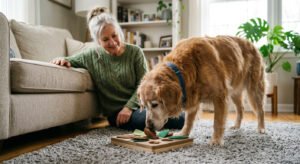
Exercising a Dog With Arthritis
Many owners worry that exercise will make arthritis worse.
In reality, controlled movement usually helps maintain mobility.
The key is choosing activities that don’t overload painful joints.
Good options include:
✅ Short walks
✅ Sniff walks
✅ Swimming (if appropriate)
✅ Gentle stretching
✅ Controlled play
Avoid:
- Long hikes
- Repeated stair climbing
- Jumping into vehicles
- High-speed chasing games
- Slippery surfaces
If your dog struggles after exercise, discuss an appropriate activity plan with your veterinarian.
Simply Chea Tip
Your dog should finish a walk looking relaxed—not exhausted.
If they’re struggling to stand after exercise, you’ve probably done too much.
Practical Help for Your Senior Dog
If you’re looking for practical ways to make daily life easier for an aging dog, we’ve organized our recommended senior-dog essentials by comfort, mobility, joint support, and enrichment.
→ Explore the Senior Dog Essentials Guide
Signs Your Dog May Be Getting Too Much Exercise
Every dog has different limits.
Watch for signs such as:
- Heavy panting that lasts a long time
- Limping
- Reluctance to continue walking
- Falling behind
- Excessive stiffness later in the day
- Difficulty standing after resting
- Refusing future walks
If these signs occur regularly, reduce the intensity or duration of exercise and speak with your veterinarian.
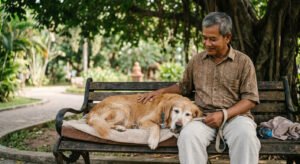
Signs Your Senior Dog May Not Be Getting Enough Exercise
Just as too much exercise can be harmful, too little movement can also affect your dog’s health and wellbeing.
Watch for signs such as:
- Gradually gaining weight
- Becoming stiff after resting
- Losing muscle tone
- Restlessness or pacing indoors
- Increased boredom
- Sleeping all day but struggling to settle at night
- Less interest in exploring the environment
These signs don’t always mean your dog needs more exercise, but they can indicate that their daily routine may benefit from gentle adjustments.
If you’re unsure, your veterinarian can help you develop an exercise plan that’s appropriate for your dog’s age, health, and mobility.
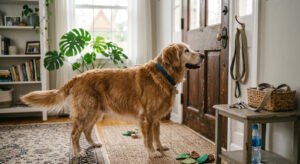
Exercising Safely in Hot Weather
Senior dogs are often more sensitive to heat than younger dogs.
On warm days:
- Walk early in the morning or later in the evening.
- Carry fresh drinking water.
- Stay in shaded areas whenever possible.
- Avoid hot pavement that can burn paw pads.
- Watch for excessive panting or signs of overheating.
- Keep walks shorter if temperatures are high.
If your dog appears weak, confused, or struggles to breathe, stop exercising immediately and seek veterinary advice if symptoms don’t improve.
Exercising Safely in Cold Weather
Cold weather presents different challenges.
Older dogs with arthritis may become stiffer during colder months.
To help keep your dog comfortable:
- Allow extra time to warm up.
- Keep walks slightly shorter on very cold days.
- Dry your dog’s paws after walks.
- Consider a well-fitting dog coat if recommended by your veterinarian.
- Avoid icy or slippery surfaces whenever possible.
Our article How to Stop Your Senior Dog from Slipping on Slippery Floors also contains useful tips for improving traction indoors.
Simply Chea Tip
Your dog’s comfort is more important than completing a planned walk. If they seem tired or uncomfortable, it’s perfectly fine to shorten the outing and try again later.
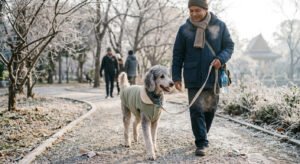
A Simple Weekly Exercise Plan
Every dog is different, but many senior dogs thrive on a predictable routine.
| Day | Activity |
|---|---|
| Monday | 20–30 minute gentle walk + sniff time |
| Tuesday | Short walk + brain game |
| Wednesday | Gentle walk + light play |
| Thursday | Sniff walk + puzzle feeder |
| Friday | Two shorter walks |
| Saturday | Gentle nature walk |
| Sunday | Easy walk + stretching or enrichment |
Remember, consistency is usually more beneficial than occasional long outings.
When Should You Call Your Veterinarian?
Arrange a veterinary examination if your dog:
- Suddenly refuses to walk.
- Develops a noticeable limp.
- Cries out during exercise.
- Collapses or becomes unusually weak.
- Pants excessively long after finishing a walk.
- Shows sudden changes in mobility or balance.
A sudden decline in activity should never be dismissed as “just old age.”
Common Mistakes Owners Make
Waiting Until the Weekend
One long walk each weekend isn’t as beneficial as shorter daily exercise.
Walking Too Fast
Older dogs often prefer a slower pace with plenty of opportunities to sniff and explore.
Ignoring Early Signs of Fatigue
Don’t wait until your dog is exhausted.
Ending a walk while they’re still comfortable encourages a positive experience.
Forgetting Mental Exercise
A dog’s brain needs exercise too.
Combine walks with scent games, puzzle feeders, and enrichment activities.
Comparing Your Dog to Others
Every senior dog ages differently.
The right amount of exercise is the amount that keeps your dog happy, comfortable, and engaged.
Frequently Asked Questions
How long should I walk my senior dog?
Many healthy senior dogs enjoy 30 to 60 minutes of gentle daily exercise, divided into two or three shorter sessions. However, the ideal amount depends on your dog’s age, breed, health, and mobility.
Should I stop exercising my dog if they have arthritis?
No. Most dogs with arthritis benefit from regular, low-impact exercise. Avoiding movement completely often leads to increased stiffness and muscle loss.
Is swimming better than walking?
Swimming is excellent for some dogs because it’s low impact, but not every dog enjoys water. Walking remains the easiest and most practical exercise for most senior dogs.
What if my dog doesn’t want to walk anymore?
A sudden loss of interest in walking may indicate pain or an underlying medical condition. Schedule a veterinary examination if this behaviour is new or worsening.
Are sniff walks enough exercise?
Sniff walks provide valuable mental stimulation alongside gentle physical activity. For many older dogs, they are an excellent part of a balanced exercise routine.
Related Guides
Continue learning with these Simply Chea resources:
- Senior Dog Anxiety & Cognitive Health: The Complete Guide
- Canine Cognitive Dysfunction (CCD) in Senior Dogs
- The Truth About Arthritis and Joint Pain in Dogs
- Why Is My Senior Dog Suddenly Anxious?
- Creating a Calm Home for an Anxious Senior Dog
- How To Help a Senior Dog Sleep Through The Night
References
This article was written using current veterinary guidance and educational resources, including information from:
- American Animal Hospital Association (AAHA)
- American College of Veterinary Behaviorists (ACVB)
- WSAVA Global Nutrition Guidelines
- Merck Veterinary Manual
- Veterinary Partner (VIN)
Final Thoughts
Exercise isn’t about helping your senior dog stay young—it’s about helping them stay comfortable, confident, and engaged with the world around them.
A gentle daily walk, time to sniff an interesting scent, or a few minutes spent playing a simple game can all contribute to a happier and healthier life.
As your dog ages, their routine will naturally evolve. Some days they’ll feel energetic. Other days they’ll need a slower pace or a shorter outing. Learning to recognise those changes and adapting your routine accordingly is one of the greatest gifts you can give them.
Remember that exercise is just one part of healthy aging. Combined with good nutrition, regular veterinary care, mental enrichment, and a safe home environment, it helps support the quality of life your loyal companion deserves.
The goal isn’t to count steps or reach a certain distance—it’s to enjoy many more meaningful moments together, one walk at a time.
Disclaimer
This article is for general information only and is not veterinary advice. We are not veterinarians. Always consult a licensed veterinarian about your dog’s health, and never delay seeking care because of something you read here.
Last updated: July 2026. We research independently. Some links are affiliate links — this costs you nothing and helps fund our work.