
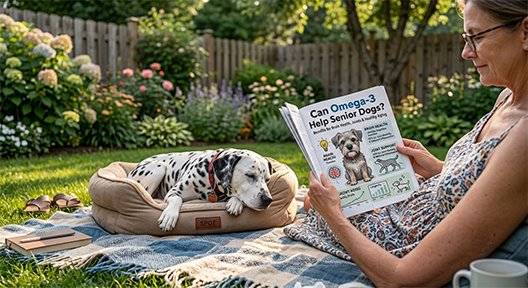
As our dogs grow older, it’s natural to look for safe, practical ways to help them stay comfortable and enjoy the best possible quality of life.
Can Omega-3 help Senior Dogs?
Perhaps your once energetic companion now struggles to get up after a nap. Maybe they’ve become a little forgetful, seem less interested in walks, or are showing signs of stiffness in their joints.
These changes are common as dogs age, but they often leave owners wondering if there’s anything they can do to help.
One supplement that frequently comes up in conversations with veterinarians is Omega-3 fatty acids.
You’ve probably seen fish oil capsules or Omega-3 chews advertised as a solution for everything from arthritis to shiny coats and even brain health.
But do they really work?
The short answer is yes—but with realistic expectations.
Omega-3 fatty acids aren’t a miracle cure, and they won’t stop the aging process.
However, research suggests they may support several aspects of healthy aging, including joint comfort, brain function, heart health, skin condition, and overall wellbeing when used as part of a complete care plan.
In this guide, we’ll explain what Omega-3 fatty acids are, how they may benefit senior dogs, what the current research tells us, how to choose a quality supplement, and when you should speak with your veterinarian before adding one to your dog’s routine.
At a Glance
| Quick Facts | |
|---|---|
| Omega-3 fatty acids are healthy fats that help support many body systems. | |
| EPA and DHA are the two most important Omega-3s for dogs. | |
| Research suggests Omega-3s may help support brain function and joint health. | |
| Omega-3 supplements should complement—not replace—veterinary care. | |
| Not all fish oil products contain the same amount of EPA and DHA. | |
| Always choose products made specifically for pets or recommended by your veterinarian. |
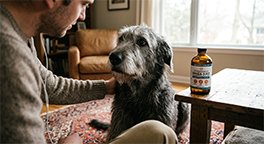
What Are Omega-3 Fatty Acids?
Omega-3 fatty acids are a group of healthy fats that play an important role throughout the body.
Unlike some nutrients, dogs cannot produce enough Omega-3 fatty acids on their own, which means they rely on food or supplements to meet their needs.
The two Omega-3 fatty acids most commonly recommended for dogs are:
- EPA (Eicosapentaenoic Acid)
- DHA (Docosahexaenoic Acid)
While their names sound complicated, their roles are surprisingly easy to understand.
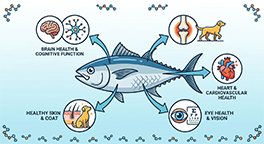
Think of them as nutrients that help support healthy cells throughout your dog’s body—particularly in the brain, nervous system, joints, eyes, skin, and heart.
EPA vs DHA: What’s the Difference?
Although EPA and DHA are often mentioned together, they support the body in slightly different ways.
| Nutrient | Primary Role |
|---|---|
| EPA | Supports joint health, helps manage inflammation, and contributes to heart health. |
| DHA | Plays an important role in brain function, learning, memory, and vision. |
Most high-quality fish oil supplements contain both.
Together, they provide the broadest range of benefits for aging dogs.
Why Senior Dogs May Benefit More Than Younger Dogs
As dogs grow older, their bodies naturally change.
Inflammation may increase.
Joint cartilage gradually wears down.
Brain cells become more vulnerable to age-related changes.
The skin may become drier, and recovery from exercise often takes longer than it once did.
Because Omega-3 fatty acids help support several of these body systems, veterinarians frequently recommend them as part of a broader healthy aging plan.
It’s important to remember that Omega-3 supplements don’t reverse aging.
Instead, they help support the body’s normal functions as it ages.
Simply Chea Tip
Healthy aging isn’t about finding one product that fixes everything.
It’s about combining good nutrition, regular veterinary care, appropriate exercise, mental stimulation, and a comfortable home environment to give your dog the best quality of life possible.
Practical Help for Your Senior Dog
If you’re looking for practical ways to make daily life easier for an aging dog, we’ve organized our recommended senior-dog essentials by comfort, mobility, joint support, and enrichment.
→ Explore the Senior Dog Essentials Guide

How Omega-3 May Support Brain Health
One of the most exciting areas of research involves the aging brain.
DHA is an important structural component of brain cells.
As dogs age, maintaining healthy brain function becomes increasingly important.
Although Omega-3 supplements cannot prevent or cure Canine Cognitive Dysfunction (CCD), research suggests they may help support normal cognitive function when included as part of a comprehensive care plan.
Veterinarians may recommend Omega-3-rich diets or supplements alongside other management strategies for dogs showing early signs of cognitive decline.
Some owners also report improvements in alertness, engagement, and overall quality of life, although every dog responds differently.
If your dog is already showing signs of confusion, wandering, or changes in behaviour, be sure to read our guide:
Canine Cognitive Dysfunction (CCD) in Senior Dogs

Can Omega-3 Help Dogs With Anxiety?
Although Omega-3 supplements aren’t considered a treatment for anxiety, brain health and emotional wellbeing are closely connected.
When used as part of an overall care plan, Omega-3 fatty acids may support healthy brain function, which may indirectly benefit some senior dogs experiencing age-related behavioural changes.
However, anxiety can have many causes, including:
- Pain
- Hearing loss
- Vision loss
- Canine Cognitive Dysfunction
- Illness
- Environmental changes
Addressing the underlying cause remains far more important than relying on any supplement alone.
If your dog has recently become anxious, we recommend reading:
Why Is My Senior Dog Suddenly Anxious?

How Omega-3 May Support Joint Health and Mobility
One of the most well-researched benefits of Omega-3 fatty acids is their role in supporting joint health.
As dogs age, the cartilage that cushions their joints gradually wears down. Combined with normal age-related inflammation, this can lead to stiffness, discomfort, and reduced mobility.
While Omega-3 supplements cannot reverse arthritis or rebuild damaged cartilage, studies suggest that EPA, in particular, may help support a healthier inflammatory response. For some dogs, this can contribute to improved comfort and make everyday activities like walking, climbing stairs, or getting up from bed a little easier.
Owners may notice their dog:
- Rising more easily after resting
- Walking with less stiffness
- Showing greater interest in short walks
- Moving more comfortably throughout the day
These improvements are usually gradual rather than immediate. It may take several weeks of consistent use before any benefits become noticeable.
It’s also important to remember that Omega-3 supplements work best as part of a complete arthritis management plan, which may include weight management, appropriate exercise, physical therapy, and veterinary-prescribed medications.
If your dog has already been diagnosed with arthritis, our guide The Truth About Arthritis and Joint Pain in Dogs provides additional information on recognising symptoms and supporting long-term mobility.
Simply Chea Tip
Think of Omega-3 as one piece of the puzzle. Combined with a healthy weight, regular gentle exercise, and a supportive orthopedic bed, it may help your dog stay active for longer.

Can Omega-3 Improve Skin and Coat Health?
Many owners first hear about fish oil because of its benefits for the skin and coat.
Healthy skin acts as your dog’s first line of defence against the environment, while a healthy coat helps protect the skin underneath.
Omega-3 fatty acids help maintain the skin’s natural barrier and support healthy cell function.
Some dogs taking Omega-3 supplements may experience:
- Softer skin
- A shinier coat
- Reduced dryness
- Less flaking
- Improved coat condition
These benefits can be especially helpful for senior dogs, whose skin often becomes thinner and drier with age.
However, persistent itching, hair loss, or skin infections should always be assessed by your veterinarian, as they may indicate allergies, parasites, hormonal disorders, or other medical conditions rather than a simple nutritional deficiency.

Heart Health and Healthy Aging
The heart works hard throughout your dog’s life.
As dogs age, maintaining cardiovascular health becomes increasingly important.
Research into Omega-3 fatty acids suggests they may support normal heart function in some dogs, although they should never be viewed as a treatment for heart disease.
Instead, Omega-3 supplements may form part of a broader wellness plan recommended by your veterinarian.
Healthy aging isn’t about focusing on one organ or one symptom.
It’s about supporting the body as a whole.
That’s why many veterinarians consider Omega-3 fatty acids a valuable addition to senior wellness programmes.

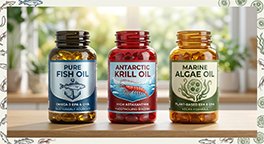
Fish Oil vs Krill Oil vs Algae Oil
If you’ve started shopping for Omega-3 supplements, you’ve probably noticed there are several different options available.
So which one is best?
Here’s a simple comparison.
| Source | Pros | Considerations |
|---|---|---|
| Fish Oil | Rich in EPA and DHA, widely available, supported by the most research. | Quality varies between manufacturers. |
| Krill Oil | Contains EPA and DHA and may be easier for some dogs to digest. | Often more expensive and usually contains lower amounts of Omega-3 per serving. |
| Algae Oil | Sustainable source of DHA and suitable when fish-based products aren’t appropriate. | Usually contains less EPA than fish oil. |
For most senior dogs, a high-quality fish oil formulated for pets remains the option most commonly recommended by veterinarians.
Simply Chea Tip
Don’t judge a supplement by the size of the bottle. The amount of EPA and DHA per serving is far more important than the amount of oil itself.
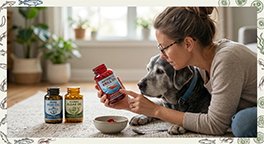
How to Choose a Quality Omega-3 Supplement
With so many products on the market, choosing the right supplement can feel overwhelming.
When comparing products, look for:
Clearly listed EPA and DHA amounts
Products specifically formulated for dogs
Reputable manufacturers with quality testing
Freshness and proper storage recommendations
Veterinary recommendations when possible
Avoid products that make unrealistic promises such as:
- “Cures arthritis.”
- “Reverses dementia.”
- “Works overnight.”
No supplement can honestly make these claims.
A trustworthy manufacturer will explain that Omega-3 supports overall health rather than providing miraculous results.
Is Omega-3 Safe for Senior Dogs?
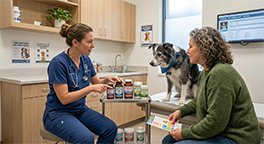
For most healthy senior dogs, Omega-3 supplements are considered safe when used at the correct dose and under the guidance of a veterinarian.
However, “natural” doesn’t always mean risk-free.
Like any supplement, Omega-3 fatty acids may not be appropriate for every dog, particularly those with certain medical conditions or those taking specific medications.
Before starting a supplement, speak with your veterinarian if your dog:
- Has a bleeding disorder
- Is taking blood-thinning medication
- Has pancreatitis or a history of pancreatitis
- Is scheduled for surgery
- Has multiple chronic health conditions
- Is already taking other supplements
Your veterinarian can help determine whether Omega-3 is appropriate and recommend the correct dosage based on your dog’s size, health, and diet.
Possible Side Effects
Most dogs tolerate Omega-3 supplements very well.
When side effects do occur, they’re usually mild and may include:
- Loose stools
- Mild digestive upset
- Fishy breath
- Reduced appetite (occasionally)
These issues can often be minimized by introducing the supplement gradually and giving it with food.
If your dog develops persistent vomiting, severe diarrhoea, unusual bruising, or any other concerning symptoms, stop the supplement and contact your veterinarian promptly.
Myth vs Fact
| Myth | Fact |
|---|---|
| Fish oil cures arthritis. | Omega-3 may help support joint comfort, but it does not cure arthritis or rebuild cartilage. |
| All Omega-3 supplements are the same. | The amount of EPA and DHA can vary significantly between products. |
| More is always better. | Too much Omega-3 may increase the risk of side effects. Always follow veterinary guidance. |
| Omega-3 replaces veterinary treatment. | Supplements are designed to support health, not replace professional care or prescribed medication. |
Should You Give Your Senior Dog an Omega-3 Supplement?
This simple guide may help you decide what to do next.
| Situation | Recommended Next Step |
|---|---|
| Your dog is healthy but getting older. | Ask your veterinarian whether an Omega-3 supplement could be part of a healthy aging plan. |
| Your dog has arthritis or reduced mobility. | Discuss Omega-3 alongside weight management, exercise, and pain management. |
| Your dog is showing signs of cognitive decline. | Speak with your veterinarian about a comprehensive plan that may include Omega-3, dietary changes, and environmental support. |
| You’re unsure which product to choose. | Look for clearly labelled EPA and DHA levels or ask your veterinarian for a recommendation. |
| Your dog has an existing medical condition or takes medication. | Always consult your veterinarian before starting any new supplement. |
Frequently Asked Questions
Is fish oil the same as Omega-3?
Fish oil is one of the most common sources of Omega-3 fatty acids. Most fish oil supplements contain EPA and DHA, which are the Omega-3s most beneficial for dogs.
How long does it take for Omega-3 to work?
Benefits are usually gradual. Some owners notice improvements in mobility or coat condition within several weeks, while other benefits may take longer.
Can Omega-3 cure Canine Cognitive Dysfunction?
No. There is currently no cure for Canine Cognitive Dysfunction. Omega-3 may support overall brain health as part of a broader management plan recommended by your veterinarian.
Can I give my dog human fish oil capsules?
Some human fish oil supplements contain ingredients, flavourings, or concentrations that may not be suitable for dogs. Always ask your veterinarian before using a product that wasn’t formulated for pets.
Can puppies take Omega-3?
Yes, Omega-3 fatty acids also play an important role in the healthy development of puppies, particularly for brain and eye development. However, this article focuses on the needs of senior dogs.
Related Guides
Continue learning with these Simply Chea resources:
- Senior Dog Anxiety & Cognitive Health: The Complete Guide
- Canine Cognitive Dysfunction (CCD) in Senior Dogs
- The Truth About Arthritis and Joint Pain in Dogs
- Why Is My Senior Dog Suddenly Anxious?
- Creating a Calm Home for an Anxious Senior Dog
- How To Help a Senior Dog Sleep Through The Night
- Best Brain Games for Senior Dogs (Coming Soon)
References
This article was written using current veterinary guidance and educational resources, including information from:
- American Animal Hospital Association (AAHA)
- American College of Veterinary Behaviorists (ACVB)
- WSAVA Global Nutrition Guidelines
- Merck Veterinary Manual
- Veterinary Partner (VIN)
Final Thoughts
Aging is a natural part of life, but growing older doesn’t mean your dog has to lose their comfort, curiosity, or enjoyment of everyday life.
Omega-3 fatty acids aren’t a miracle cure, but they are one of the most widely researched nutritional supplements for supporting healthy aging in dogs. When combined with a balanced diet, regular exercise, mental enrichment, and routine veterinary care, they may help support your dog’s joints, brain, skin, heart, and overall wellbeing.
Every senior dog is different. What works well for one may not be the right choice for another, which is why it’s always worth discussing supplements with your veterinarian before making changes to your dog’s routine.
If you’re considering adding an Omega-3 supplement, we’ve also put together a Recommended Senior Dog Supplements guide to help you compare products and understand what to look for before you buy.
The goal isn’t to stop your dog from getting older—it’s to help them enjoy every stage of life with as much comfort, confidence, and happiness as possible.

Disclaimer
This article is for general information only and is not veterinary advice. We are not veterinarians. Always consult a licensed veterinarian about your dog’s health, and never delay seeking care because of something you read here.
Last updated: July 2026. We research independently. Some links are affiliate links — this costs you nothing and helps fund our work.






One Response