
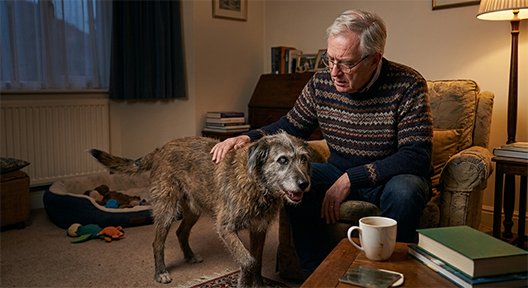
Seeing your senior dog suddenly anxious can be heartbreaking.
Perhaps your once-confident companion suddenly follows you everywhere, paces around the house at night, startles easily, or seems unable to settle. You may even find yourself wondering if your dog is frightened, in pain, or simply becoming confused with age.
If these changes seem to appear “out of nowhere,” you’re not alone. Anxiety is one of the most common behavioral concerns reported by owners of older dogs.
The good news is that anxiety rarely happens without a reason.
In many cases, it is your dog’s way of telling you that something has changed physically, mentally, or emotionally. Sometimes the cause is relatively simple, such as hearing loss or a change in routine. Other times, anxiety can be one of the earliest signs of an underlying medical condition requiring veterinary attention.
The most important thing to remember is this:
Anxiety itself is usually a symptom—not the disease.
Understanding what is causing your dog’s anxiety is the first step toward helping them feel safe, comfortable, and confident again.
In this guide, we’ll explore the ten most common causes of sudden anxiety in senior dogs, explain when the behavior may signal a medical problem, and share practical ways you can support your dog at home.
At a Glance
| Quick Facts | |
|---|---|
| Anxiety is not considered a normal part of aging. | |
| Sudden behavioral changes should always be taken seriously. | |
| Pain is one of the most common hidden causes of anxiety. | |
| Vision loss, hearing loss, and Canine Cognitive Dysfunction (CCD) frequently contribute to anxious behavior. | |
| Many causes of anxiety can be successfully managed with early diagnosis and appropriate care. | |
| Always consult your veterinarian if anxiety develops suddenly or worsens quickly. |
How Can You Tell if Your Senior Dog Is Anxious?
Some dogs show obvious signs of anxiety, while others display much subtler behavioral changes that are easy to mistake for “just getting older.”
Common signs include:
- Pacing around the house
- Restlessness, especially at night
- Excessive panting without exercise
- Whining or barking more than usual
- Following family members constantly
- Clinginess
- Trembling
- Hiding
- Startling easily
- Difficulty settling down
- House-training accidents
- Loss of confidence
- Increased irritability
- Reduced interest in normal activities
Some dogs experience only one or two of these symptoms, while others show several at the same time.
The key is recognizing what has changed compared with your dog’s normal behavior.
SimplyChea Tip
You know your dog better than anyone else.
If something feels “different,” trust your instincts.
Even subtle behavioral changes can be the first clue that your dog isn’t feeling well.
Keeping a simple journal of when the anxiety occurs, how long it lasts, and what seems to trigger it can provide valuable information for your veterinarian.
Practical Help for Your Senior Dog
If you’re looking for practical ways to make daily life easier for an aging dog, we’ve organized our recommended senior-dog essentials by comfort, mobility, joint support, and enrichment.
→ Explore the Senior Dog Essentials Guide
When Anxiety Is an Emergency
Although most causes of anxiety are not life-threatening, there are situations where immediate veterinary attention is needed.
Contact your veterinarian promptly if your dog suddenly develops anxiety along with:
- Difficulty walking
- Collapse
- Seizures
- Trouble breathing
- Continuous crying from pain
- Sudden blindness
- Repeated vomiting
- Extreme lethargy
- Disorientation that appears suddenly
- Loss of consciousness
These symptoms may indicate a serious medical emergency rather than simple anxiety.
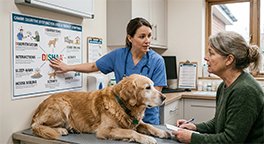
Is It Normal Aging, Anxiety, or Dementia?
Many owners struggle to know whether their dog’s behavior is simply part of getting older or something more serious.
The table below highlights some of the key differences.
| Behavior | Normal Aging | Anxiety | Canine Cognitive Dysfunction |
|---|---|---|---|
| Sleeps more | ✔ | Sometimes | ✔ |
| Startles easily | Sometimes | ✔ | ✔ |
| Pacing | Rare | ✔ | ✔✔ |
| Nighttime restlessness | Occasionally | ✔ | ✔✔ |
| House-training accidents | Rare | Sometimes | ✔✔ |
| Appears confused | No | Sometimes | ✔✔ |
| Forgets familiar routines | No | Rare | ✔✔ |
| Gets stuck behind furniture | No | No | ✔✔ |
If your dog is showing several signs from the third column, it’s worth reading our guide on Canine Cognitive Dysfunction (CCD), as dementia-like changes often overlap with anxiety.
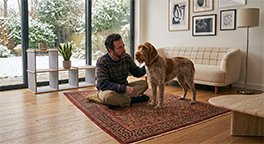
The 10 Most Common Causes of Sudden Anxiety in Senior Dogs
1. Chronic Pain (Often the Hidden Cause)
Pain is one of the most overlooked reasons older dogs suddenly become anxious.
Unlike people, dogs instinctively hide discomfort. Instead of crying or limping, many simply become restless, clingy, withdrawn, or unusually reactive.
Arthritis is by far the most common cause, but pain can also come from:
- Dental disease
- Hip dysplasia
- Degenerative joint disease
- Spinal problems
- Soft tissue injuries
- Cancer
- Chronic inflammation
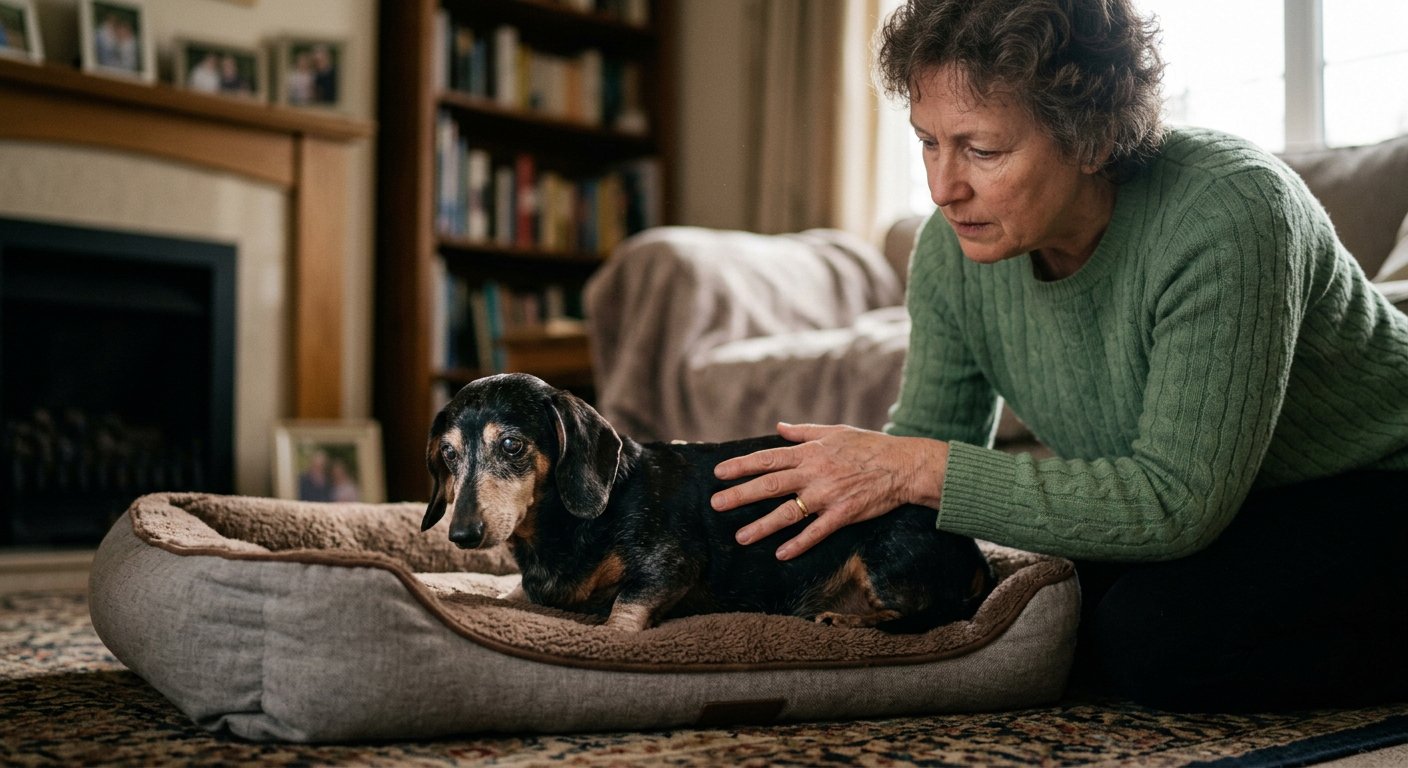
Imagine trying to relax while every movement causes discomfort. Your dog may pace because they can’t find a comfortable position, become anxious when asked to climb stairs, or avoid activities they once loved because they anticipate pain.
Signs pain may be causing anxiety
- Reluctance to jump or climb stairs
- Difficulty lying down or getting comfortable
- Slower walks
- Stiffness after resting
- Irritability when touched
- Panting indoors
- Restlessness at night
Many owners notice a dramatic improvement in their dog’s mood once pain is properly managed.
Simply Chea Tip
Behavioral changes are often one of the earliest signs of chronic pain.
If your dog suddenly becomes anxious, don’t assume it’s simply “old age.” Pain deserves to be ruled out first because treating it can significantly improve your dog’s comfort and quality of life.
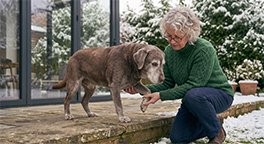
2. Hearing Loss
As dogs age, their hearing often declines gradually. Because this happens slowly, owners may not notice until anxiety begins to appear.
A dog that can no longer hear approaching footsteps or familiar voices may become easily startled or cling to family members for reassurance.
Some dogs also become anxious because they can no longer locate where sounds are coming from, making the world feel less predictable.
Signs of age-related hearing loss
- Doesn’t respond when called
- Sleeps more deeply
- Startles when touched unexpectedly
- Barks more often
- Seems less responsive outdoors
Fortunately, many dogs adapt remarkably well when owners make simple adjustments, such as approaching from the front, using hand signals, and maintaining consistent routines.
3. Vision Loss
Just as hearing loss can make the world feel confusing, declining eyesight can also leave senior dogs feeling uncertain and anxious.
A dog that once confidently navigated the house may suddenly hesitate before entering dark rooms, bump into furniture, or become nervous in unfamiliar places. These changes often happen gradually, making them easy to overlook until anxiety becomes more obvious.
Common age-related eye conditions include:
- Cataracts
- Nuclear sclerosis
- Glaucoma
- Progressive retinal atrophy (PRA)
- Retinal disease
- High blood pressure affecting vision
Dogs rely heavily on familiar surroundings. When their vision changes, everyday objects can suddenly feel unfamiliar or even frightening.
Signs vision loss may be contributing to anxiety
- Hesitates before using stairs
- Bumps into furniture
- Appears startled in dim lighting
- Becomes anxious outdoors at night
- Stays close to family members
- Seems reluctant to enter unfamiliar rooms
Fortunately, many dogs adapt well with small environmental changes, such as keeping furniture in the same place, improving lighting, and avoiding unnecessary changes around the home.
Simply Chea Tip
If your dog seems more anxious after sunset but behaves normally during the day, reduced vision may be contributing to the problem. Adding soft night lighting can often make nighttime navigation much easier.
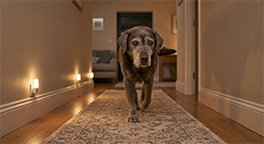
4. Canine Cognitive Dysfunction (CCD)
One of the most important causes of anxiety in senior dogs is Canine Cognitive Dysfunction (CCD), often compared to dementia or Alzheimer’s disease in people.
CCD affects the aging brain and can cause changes in memory, learning, awareness, and behavior. Anxiety is often one of the earliest signs owners notice.
A dog with CCD may:
- Pace aimlessly
- Wander at night
- Forget familiar routines
- Get stuck behind furniture
- Stare at walls
- Become unusually clingy
- Seem confused in familiar rooms
- Sleep during the day but stay awake at night
These behaviors can be distressing to watch, but early recognition is important because management strategies may help improve your dog’s quality of life.
If several of these signs sound familiar, we encourage you to read our complete guide:
Canine Cognitive Dysfunction (CCD) in Senior Dogs
There you’ll find a more detailed explanation of symptoms, diagnosis, treatment options, and ways to support a dog living with cognitive decline.
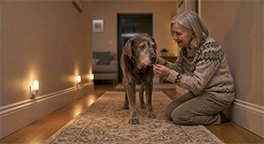
5. Separation Anxiety Can Return in Old Age
Many owners are surprised to discover that separation anxiety can appear for the first time in senior dogs—or return after years without any problems.
As dogs age, they often become more dependent on familiar people. Hearing loss, reduced vision, pain, or cognitive decline can make them feel vulnerable, increasing their need for reassurance.
Signs may include:
- Following you from room to room
- Barking or whining when you leave
- Pacing near doors or windows
- Destructive behavior after being left alone
- House-training accidents only when alone
Your dog isn’t trying to be “difficult.” They may simply feel safer when you’re nearby.
Simply Chea Tip
If your dog suddenly refuses to let you out of their sight, don’t assume they’re being needy. Changes in health or confidence are often behind this behavior.
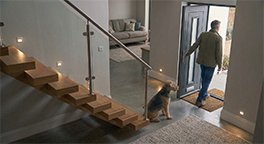
6. Medication Side Effects
Some medications prescribed for senior dogs can affect behavior.
While medications often improve overall health, certain drugs may occasionally contribute to:
- Restlessness
- Increased thirst and urination
- Difficulty sleeping
- Panting
- Agitation
- Temporary anxiety
Common examples include some corticosteroids and certain pain medications, although every dog responds differently.
Never stop or adjust a prescribed medication without speaking to your veterinarian. If you notice behavioral changes shortly after starting a new medication, make a note of when the symptoms began and discuss them with your vet.
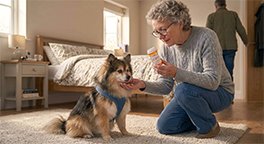
7. Underlying Medical Illness
Sometimes anxiety is the first visible sign that something else is wrong.
Several medical conditions can cause older dogs to feel uncomfortable, confused, or restless, including:
- Urinary tract infections
- Kidney disease
- Liver disease
- Diabetes
- High blood pressure
- Dental disease
- Heart disease
- Certain neurological disorders
Because many of these conditions develop gradually, anxiety may be one of the earliest clues that your dog needs a veterinary examination.
If your dog’s anxiety appears suddenly and is accompanied by changes in appetite, drinking, urination, weight, or energy levels, it’s especially important to schedule a veterinary visit.
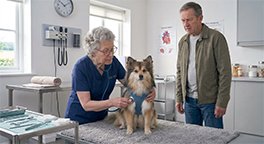
8. Hormonal Disorders
Hormonal changes can also influence your dog’s behavior.
Conditions such as thyroid disorders or Cushing’s disease may contribute to restlessness, increased thirst, changes in appetite, altered sleep patterns, and anxiety-like behaviors.
These conditions cannot be diagnosed based on behavior alone, but simple blood tests can often help your veterinarian determine whether hormones are playing a role.
Treating the underlying disorder may improve both physical health and behavior.
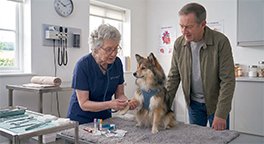
9. Changes in the Home Environment
Senior dogs often become less adaptable to change than they were in their younger years.
Events that might seem minor to us can feel overwhelming to an aging dog, such as:
- Moving house
- Rearranging furniture
- A new pet
- A new baby
- Visitors staying in the home
- Construction noise
- Changes in your work schedule
Maintaining familiar routines and providing quiet spaces can help reduce stress during periods of change.

10. Poor Sleep and Nighttime Anxiety
Many senior dogs experience disrupted sleep as they age.
Pain, cognitive changes, needing to urinate more frequently, or reduced vision can all contribute to nighttime pacing and restlessness.
If your dog is sleeping most of the day but wandering the house at night, there is often an underlying reason rather than simple aging.
Helping your dog sleep better may involve managing pain, improving nighttime lighting, providing a supportive orthopedic bed, maintaining a consistent bedtime routine, or addressing medical conditions identified by your veterinarian.
Nighttime anxiety can be exhausting for both dogs and their families, but it’s often manageable once the underlying cause is understood.

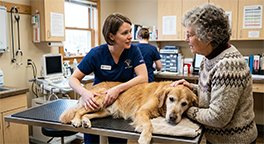
How Will Your Veterinarian Diagnose the Cause?
Because anxiety is often a symptom rather than the problem itself, your veterinarian will usually begin by looking for an underlying medical cause.
Depending on your dog’s age, health history, and symptoms, they may recommend:
- A complete physical examination
- Orthopedic assessment for arthritis or joint pain
- Eye and vision evaluation
- Hearing assessment
- Neurological examination
- Blood tests
- Urinalysis
- Blood pressure measurement
- Imaging (such as X-rays or ultrasound) if needed
Don’t be discouraged if your veterinarian asks a lot of questions. Small details—such as when the anxiety started or whether it only happens at night—can provide valuable clues.
What Can You Do at Home?
While your veterinarian works to identify any medical causes, there are many ways you can help your dog feel more secure.
Maintain a Predictable Routine
Older dogs often thrive on consistency. Try to keep feeding times, walks, bedtime, and daily activities as regular as possible.
Reduce Household Stress
Provide a quiet area where your dog can rest without being disturbed. Limit loud noises where possible and introduce changes gradually.
Make Your Home Easier to Navigate
Simple changes can make a big difference:
- Add night lights to hallways.
- Keep furniture in familiar positions.
- Use non-slip rugs on smooth floors.
- Provide ramps if stairs have become difficult.
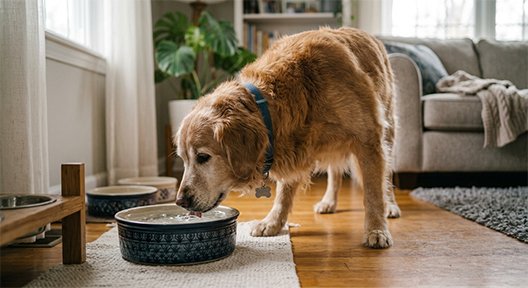
- Ensure food and water bowls are easy to reach.
Encourage Gentle Mental Stimulation
Mental exercise remains important, even for dogs with mild cognitive decline.
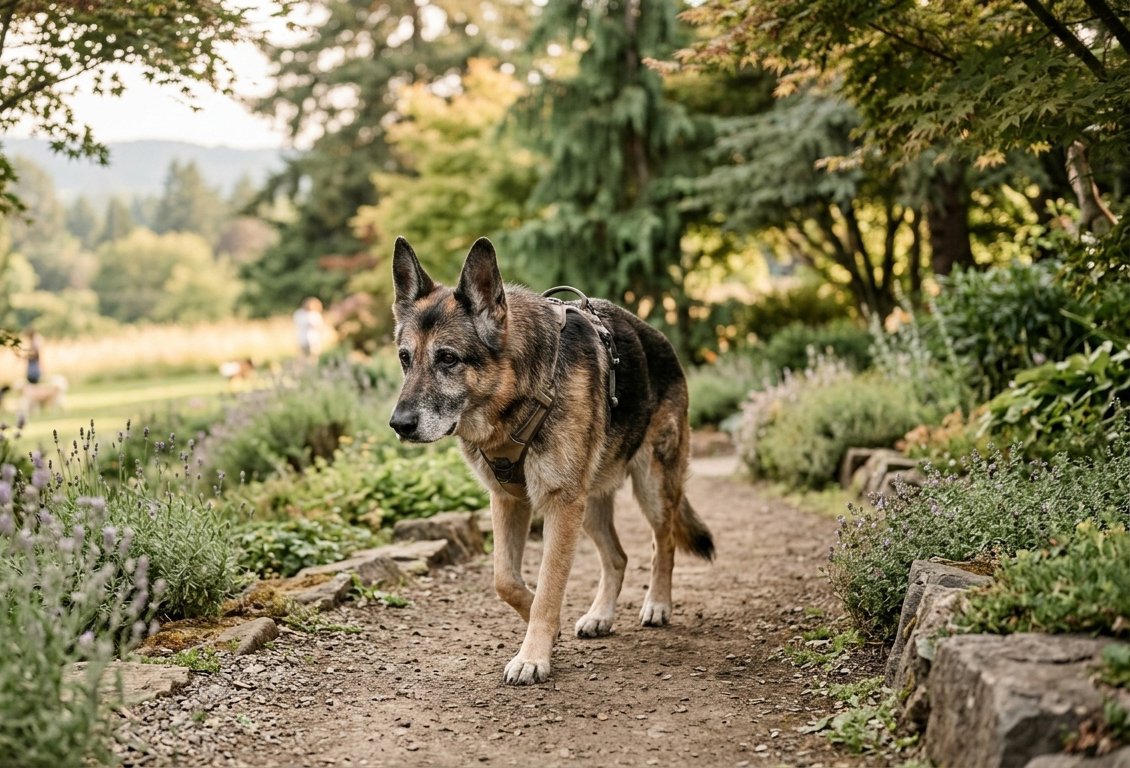
Short sniff walks, food puzzles, gentle training, and interactive toys can all help keep your dog’s mind engaged without causing frustration.
Manage Pain Promptly
If arthritis or another painful condition is contributing to anxiety, appropriate pain management may dramatically improve your dog’s comfort and behavior.
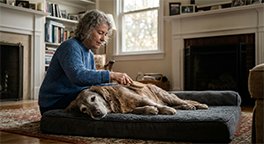
Spend Quality Time Together
Sometimes the most comforting thing you can offer is simply your presence.
Gentle grooming, slow walks, quiet companionship, and reassuring routines can help your dog feel safe and supported.
Simply Chea Tip
You don’t need to change everything overnight.
Choose one or two small improvements first, observe how your dog responds, and build from there. Small changes often add up to meaningful improvements in comfort and confidence.
What Should You Do Next?
Use this simple guide to help decide on your next step.
| If Your Dog… | Consider… |
|---|---|
| Suddenly becomes anxious for no obvious reason | Schedule a veterinary examination within the next few days. |
| Is anxious and showing signs of pain | Contact your veterinarian promptly. |
| Is confused, wandering, or forgetting familiar routines | Ask your veterinarian about Canine Cognitive Dysfunction (CCD). |
| Seems anxious after a major life change | Maintain routines, provide reassurance, and monitor for improvement. |
| Has severe symptoms such as collapse, seizures, or difficulty breathing | Seek emergency veterinary care immediately. |
Common Myths About Senior Dog Anxiety
Myth: Anxiety is just part of getting old.
Fact: While aging brings changes, sudden anxiety often has an underlying medical or behavioral cause that deserves investigation.
Myth: My dog is becoming stubborn.
Fact: Changes in hearing, vision, pain levels, or cognitive function may explain behaviors that seem like stubbornness.
Myth: There’s nothing I can do.
Fact: Many causes of anxiety can be managed successfully through veterinary care, environmental adjustments, and supportive routines.
Myth: Medication is always the answer.
Fact: Some dogs benefit from medication, while others improve through pain management, environmental changes, behavior modification, or treatment of an underlying illness. The best approach depends on the individual dog.
Frequently Asked Questions
Why has my senior dog suddenly become anxious overnight?
Sudden anxiety is often linked to pain, illness, changes in vision or hearing, medication side effects, or the early stages of Canine Cognitive Dysfunction. A veterinary examination is the best place to start if the change is unexpected.
Is anxiety a normal part of aging?
No. While older dogs may become less adaptable to change, persistent or sudden anxiety should not be dismissed as a normal part of getting older.
Can arthritis make my dog anxious?
Yes. Chronic pain can lead to restlessness, clinginess, pacing, irritability, and difficulty settling, especially at night.
How can I calm my senior dog naturally?
Maintaining a consistent routine, providing a quiet environment, managing pain, using night lights, offering gentle mental stimulation, and spending calm, reassuring time together may all help.
When should I see a veterinarian?
Arrange a veterinary visit if your dog’s anxiety develops suddenly, worsens over time, or is accompanied by changes in appetite, sleep, mobility, house-training, or confusion.
Can Canine Cognitive Dysfunction cause anxiety?
Yes. Anxiety is one of the most common early signs of CCD and is often accompanied by pacing, nighttime restlessness, disorientation, or changes in sleep patterns.
Related Guides
If you found this article helpful, you may also like:
- Senior Dog Anxiety & Cognitive Health: The Complete Guide
- Canine Cognitive Dysfunction (CCD) in Senior Dogs
- Is CBD Safe for Senior Dogs?
- 7 Signs Your Senior Dog Might Be in Pain (And What Actually Helps)
- Best Joint Supplements for Senior Dogs
- How to Help a Senior Dog Sleep Through the Night
Final Thoughts
Watching your senior dog become anxious can leave you feeling worried, helpless, and unsure of what to do next. The reassuring news is that anxiety is often your dog’s way of communicating that something has changed—and many of those changes can be understood and managed with the right support.
Whether the cause is pain, sensory loss, cognitive decline, or a medical condition, seeking help early gives your dog the best chance of staying comfortable and enjoying a good quality of life.
Remember, growing older doesn’t mean your dog has to face these challenges alone. With patience, thoughtful care, and guidance from your veterinarian, you can continue to provide the safety, comfort, and companionship they have always found in you.
Additional References
- American Animal Hospital Association (AAHA)
- American College of Veterinary Behaviorists (ACVB)
- WSAVA Global Nutrition Guidelines
- Merck Veterinary Manual
- Veterinary Partner (VIN)
This article is for general information only and is not veterinary advice. We are not veterinarians. Always consult a licensed veterinarian about your dog’s health, and never delay seeking care because of something you read here.
Last updated: July 2026. We research independently. Some links are affiliate links — this costs you nothing and helps fund our work.


2 Responses