
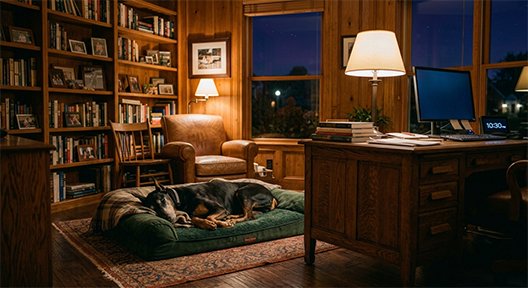
Few things are more exhausting than lying awake night after night, listening to your senior dog pace across the floor, pant quietly beside the bed, or wander through the house unable to settle.
If you’ve found yourself awake at 2 a.m., wondering why your once-sound sleeper suddenly can’t seem to rest, you’re far from alone.
Sleep disturbances are one of the most common concerns among owners of older dogs.
Sometimes the problem develops gradually. Other times, it seems to appear almost overnight.
Your dog may pace the hallway, wake frequently, ask to go outside several times, or seem confused about where they are. You may even notice that they sleep peacefully all day but become restless as soon as evening arrives.
It’s easy to assume this is simply part of getting older.
However, that’s rarely the full story.
In many cases, nighttime restlessness is your dog’s way of telling you that something is making it difficult to sleep comfortably. The cause could be pain, anxiety, reduced vision, hearing loss, Canine Cognitive Dysfunction (CCD), or another medical condition that deserves attention.
The encouraging news is that many sleep problems can be improved once the underlying cause is identified.
This guide will help you understand why older dogs struggle to sleep, what you can do at home, when it’s time to involve your veterinarian, and how to make nights more restful for both you and your senior dog sleep through the night.
At a Glance
| Quick Facts | |
|---|---|
| Sleeping more during the day is normal for many senior dogs. | |
| Frequent nighttime waking is not always a normal part of aging. | |
| Pain is one of the most common causes of poor sleep. | |
| Canine Cognitive Dysfunction (CCD) often causes nighttime wandering and confusion. | |
| Small changes to your dog’s bedtime routine and sleeping environment can make a meaningful difference. | |
| Persistent sleep problems should always be discussed with your veterinarian. |
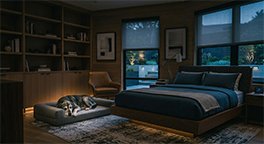
Is It Normal for Senior Dogs to Sleep More?
Yes.
As dogs age, it’s perfectly normal for them to spend more time sleeping during the day.
Older dogs generally have lower energy levels and need more rest to recover from daily activities.
However, sleeping more isn’t the same as sleeping well.
Many senior dogs nap frequently during daylight hours because their nighttime sleep has become fragmented.
If your dog seems tired all day but restless all night, it’s worth looking for an underlying reason.
Simply Chea Tip
Think about sleep quality, not just the number of hours your dog sleeps.
A dog that wakes every hour throughout the night may actually be getting less restorative sleep than a dog that sleeps fewer hours but rests deeply.
Practical Help for Your Senior Dog
If you’re looking for practical ways to make daily life easier for an aging dog, we’ve organized our recommended senior-dog essentials by comfort, mobility, joint support, and enrichment.
→ Explore the Senior Dog Essentials Guide
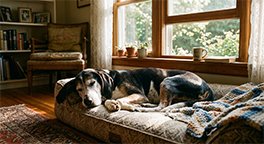
Signs Your Senior Dog Isn’t Sleeping Well
Some sleep problems are obvious.
Others develop so gradually that owners don’t notice them right away.
Common signs include:
- Pacing during the night
- Wandering through the house
- Frequent barking or whining after dark
- Difficulty getting comfortable
- Waking every hour
- Asking to go outside repeatedly
- Panting without exercise
- Sleeping all day but awake at night
- Appearing confused after sunset
- Restlessness despite being tired
Some dogs show only one of these signs, while others experience several together.
The important thing is to notice what’s different from your dog’s usual routine.
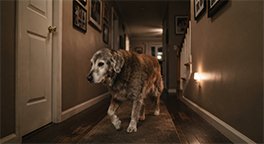
Why Your Senior Dog May Be Awake at Night
Nighttime restlessness usually has an underlying cause.
The following are among the most common reasons older dogs struggle to sleep.
1. Pain and Arthritis
Pain is one of the leading reasons senior dogs wake repeatedly throughout the night.
When joints become stiff or sore, lying in one position for long periods becomes uncomfortable.
Your dog may:
- Change sleeping positions frequently
- Get up and pace
- Pant quietly
- Struggle to lie down again
- Wake after only short periods of sleep
Arthritis is especially troublesome at night because muscles cool down and joints become stiffer after resting.
Many owners notice that once pain is properly managed, their dog’s sleep improves dramatically.
Simply Chea Tip
If your dog seems comfortable during the day but restless at night, don’t rule out arthritis. Many dogs hide pain remarkably well until they’re trying to rest.
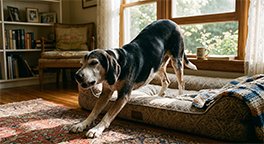
2. Canine Cognitive Dysfunction (CCD)
One of the most common reasons senior dogs struggle to sleep is Canine Cognitive Dysfunction (CCD), a progressive condition that affects the aging brain.
Often compared to dementia or Alzheimer’s disease in people, CCD can change how dogs process their surroundings, recognize familiar routines, and regulate their sleep-wake cycle.
Many owners first notice the condition at night.
A dog that previously slept soundly may suddenly begin:
- Wandering aimlessly through the house
- Staring at walls or into corners
- Barking for no obvious reason
- Appearing lost in familiar rooms
- Standing in doorways without knowing where to go
- Waking several times each night
- Sleeping most of the day but remaining awake after sunset
This change in sleep pattern is sometimes called “sundowning,” where symptoms become more noticeable during the evening or overnight.
Although there is currently no cure for CCD, early recognition allows your veterinarian to recommend management strategies that may improve your dog’s quality of life.
If your dog is showing several of these signs, we recommend reading our complete guide:
➡️ Canine Cognitive Dysfunction (CCD) in Senior Dogs
Simply Chea Tip
If your dog seems confused rather than simply restless, don’t assume they’re “just getting old.” Dogs experiencing cognitive decline often need reassurance rather than correction.
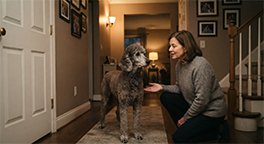
3. Anxiety and Stress
Anxiety doesn’t disappear as dogs age.
In fact, many senior dogs become more anxious because they are coping with physical discomfort, changes in their senses, or uncertainty caused by cognitive decline.
Nighttime often feels quieter and less predictable, which can make anxious dogs more unsettled.
You may notice your dog:
- Following you from room to room
- Whining after everyone goes to bed
- Pacing without settling
- Panting despite a cool room
- Barking at unfamiliar sounds
- Becoming distressed when left alone
Helping anxious dogs sleep often means addressing the reason for their anxiety rather than simply trying to make them tired.
Creating a calm evening routine, reducing household noise, and maintaining predictable schedules can all help.
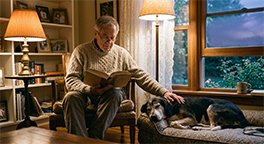
4. Needing to Go Outside More Often
Many older dogs wake during the night simply because they need to urinate.
As dogs age, they may develop conditions that increase thirst or reduce bladder control.
These include:
- Kidney disease
- Diabetes
- Urinary tract infections
- Certain medications
- Hormonal disorders
If your dog frequently wakes asking to go outside, don’t assume it’s behavioral.
Your veterinarian can determine whether an underlying medical condition is contributing to these nighttime trips.
Providing one final toilet break immediately before bedtime may also help reduce overnight interruptions.
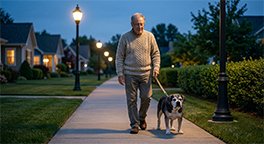
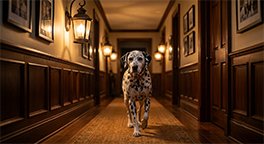
5. Hearing and Vision Loss
As eyesight and hearing decline, nighttime can become a confusing experience.
Shadows appear unfamiliar.
Household sounds become difficult to identify.
Dogs that cannot clearly see or hear may become startled more easily and wake frequently because they no longer feel confident moving around in the dark.
Simple adjustments often help.
Consider:
- Installing night lights in hallways.
- Keeping furniture in the same place.
- Approaching your dog from the front rather than behind.
- Speaking calmly before touching them.
These changes won’t restore hearing or vision, but they can reduce unnecessary stress.
Simply Chea Tip
If your dog seems perfectly comfortable during daylight hours but becomes anxious after sunset, reduced vision may be playing a bigger role than you realize.
6. Medication Side Effects
Some medications can temporarily affect your dog’s sleep.
For example, certain corticosteroids may increase thirst, restlessness, or nighttime urination, while other medications can alter normal sleep patterns.
If you notice changes shortly after starting a new medication, make a note of:
- When the medication was started
- When the sleep changes began
- Any other new symptoms
Never stop a prescribed medication without first speaking to your veterinarian.
Sometimes a simple adjustment to dosage or timing is all that’s needed.

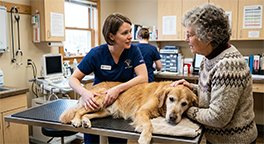
7. Other Medical Conditions
Not every sleep problem is caused by aging itself.
Several medical conditions can make it difficult for dogs to rest comfortably.
These include:
- Heart disease
- Respiratory disease
- Dental pain
- Gastrointestinal discomfort
- Neurological disorders
- High blood pressure
- Cancer
If your dog’s sleep changes are accompanied by:
- Weight loss
- Reduced appetite
- Persistent coughing
- Vomiting
- Weakness
- Difficulty walking
it’s important to arrange a veterinary examination as soon as possible.
The sooner the underlying cause is identified, the sooner your dog can receive appropriate treatment.
Before You Reach for a Sleep Aid…
When you’re exhausted, it’s understandable to look for a quick solution.
However, sleep aids—whether they’re supplements, calming chews, or medications—should never be the first step without understanding why your dog isn’t sleeping.
A dog that’s awake because of arthritis needs pain management.
A dog that’s confused because of CCD needs a different approach.
A dog with a urinary tract infection needs medical treatment.
Addressing the underlying cause is far more effective than simply trying to make your dog sleepy.
Simply Chea Tip
Think of poor sleep as a symptom, not the diagnosis. Once you understand why your dog is awake, choosing the right solution becomes much easier.
Helping Your Senior Dog Sleep Better: A Step-by-Step Evening Routine
A consistent bedtime routine can help many senior dogs settle more easily and improve the quality of their sleep.
While every dog is different, the goal is always the same—help your dog feel safe, comfortable, and relaxed before bedtime.
A simple evening routine might look like this:
1–2 Hours Before Bed
- Finish your dog’s evening meal.
- Offer a calm walk or gentle sniffing session.
- Avoid vigorous exercise.
- Keep household noise low.
30–60 Minutes Before Bed
- Dim bright lights.
- Spend quiet time together.
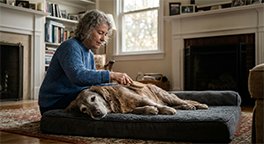
- Offer gentle brushing or massage if your dog enjoys it.
- Encourage relaxation rather than play.
Just Before Bed
- Take your dog outside for one final toilet break.
- Check that fresh water is available.
- Make sure your dog’s bed is comfortable and easy to access.
- Leave a soft night light on if vision is declining.
Consistency is far more important than perfection.
Over time, these repeated cues help your dog understand that it’s time to rest.
Creating the Ideal Sleeping Environment
Sometimes the smallest environmental changes make the biggest difference.
Consider whether your dog’s sleeping area is truly supporting restful sleep.
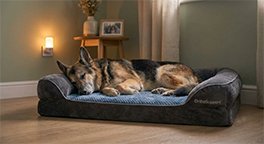
A Comfortable Bed
Choose an orthopedic bed that supports aging joints while making it easy for your dog to get on and off.
Comfortable Temperature
Older dogs often struggle with temperature regulation.
Keep the sleeping area comfortably warm during winter and cool during summer.
Easy Access
Your dog shouldn’t have to climb stairs or jump onto furniture to reach their bed.
Gentle Lighting
A small night light can make nighttime navigation much easier for dogs with reduced vision.
Quiet Surroundings
Choose a sleeping location away from televisions, washing machines, or other sources of sudden noise whenever possible.
Simply Chea Tip
If your dog sleeps in several different places around the house, pay attention to where they seem most relaxed. Sometimes they’re already telling you which environment feels safest.
What Should You Do Next?
Use this guide to help decide your next step.
| If Your Dog… | Consider… |
|---|---|
| Occasionally wakes once during the night | Monitor for changes and maintain a consistent bedtime routine. |
| Frequently paces, pants, or cannot settle | Arrange a veterinary examination to look for pain, anxiety, or illness. |
| Appears confused or gets lost in the house | Discuss Canine Cognitive Dysfunction (CCD) with your veterinarian. |
| Needs to urinate several times each night | Ask your veterinarian to investigate possible medical causes. |
| Suddenly develops severe restlessness, collapse, breathing difficulty, or seizures | Seek emergency veterinary care immediately. |
Common Mistakes Owners Make
Assuming Poor Sleep Is “Just Old Age”
Although older dogs often sleep more, persistent nighttime restlessness deserves investigation.
Changing Everything at Once
Introduce one or two changes at a time so you can see what’s helping.
Ignoring Signs of Pain
Pain is one of the most common causes of poor sleep, yet many dogs hide it remarkably well.
Using Sleep Aids Without Knowing the Cause
Treating the symptom without identifying the underlying problem may delay proper treatment.
Becoming Frustrated
Remember that your dog isn’t choosing to keep you awake.
They’re trying to cope with something that’s making it difficult to rest.
Patience and understanding go a long way.
Frequently Asked Questions
Why is my senior dog awake all night but sleeps during the day?
This can happen for several reasons, including pain, anxiety, Canine Cognitive Dysfunction (CCD), changes in vision or hearing, or disrupted sleep patterns. A veterinary examination can help identify the underlying cause.
Is nighttime pacing normal for older dogs?
Occasional restlessness may occur, but persistent pacing is not considered a normal part of aging. It often indicates discomfort, anxiety, or a medical condition.
Should I wake my dog during daytime naps?
Usually not. Older dogs naturally sleep more during the day. Instead of preventing naps, focus on improving the quality of their nighttime sleep.
Can arthritis cause poor sleep?
Yes. Dogs with arthritis often struggle to become comfortable after lying down for long periods. Effective pain management frequently improves sleep quality.
Can Canine Cognitive Dysfunction affect sleep?
Yes. One of the hallmark signs of CCD is disruption of the normal sleep-wake cycle, often causing dogs to become restless after sunset and sleep more during the day.
Will a better bed help my dog sleep?
A supportive orthopedic bed won’t solve every sleep problem, but it can make a significant difference for dogs with arthritis or joint pain by reducing pressure on sore joints.
Related Guides
Continue learning with these Simply Chea resources:
- Senior Dog Anxiety & Cognitive Health: The Complete Guide
- Canine Cognitive Dysfunction (CCD) in Senior Dogs
- Why Is My Senior Dog Suddenly Anxious?
- Creating a Calm Home for an Anxious Senior Dog
- Best Brain Games for Senior Dogs
- Can Omega-3 Help Senior Dogs?
References
This article was written using current veterinary guidance and educational resources, including information from:
- American Animal Hospital Association (AAHA)
- American College of Veterinary Behaviorists (ACVB)
- WSAVA Global Nutrition Guidelines
- Merck Veterinary Manual
- Veterinary Partner (VIN)
Final Thoughts
Watching your senior dog struggle to sleep can be frustrating and emotionally draining, especially when you’re losing sleep too.
The reassuring news is that poor sleep is often a clue rather than a mystery.
Whether the cause is pain, anxiety, cognitive decline, or another medical condition, identifying the underlying reason allows you to take meaningful steps that improve your dog’s comfort and quality of life.
Remember that your dog isn’t being stubborn or trying to keep you awake.
They’re depending on you to notice that something has changed.
With patience, thoughtful adjustments, and guidance from your veterinarian, many senior dogs can enjoy calmer nights and more restful sleep.
Sometimes the smallest changes—a softer bed, a quieter room, a consistent bedtime routine, or treatment for an underlying condition—make the biggest difference.
Growing older may change how your dog sleeps, but it doesn’t change how much they value the comfort, security, and love you provide every single day.
Disclaimer
This article is for general information only and is not veterinary advice. We are not veterinarians. Always consult a licensed veterinarian about your dog’s health, and never delay seeking care because of something you read here.
Last updated: July 2026. We research independently. Some links are affiliate links — this costs you nothing and helps fund our work.


2 Responses