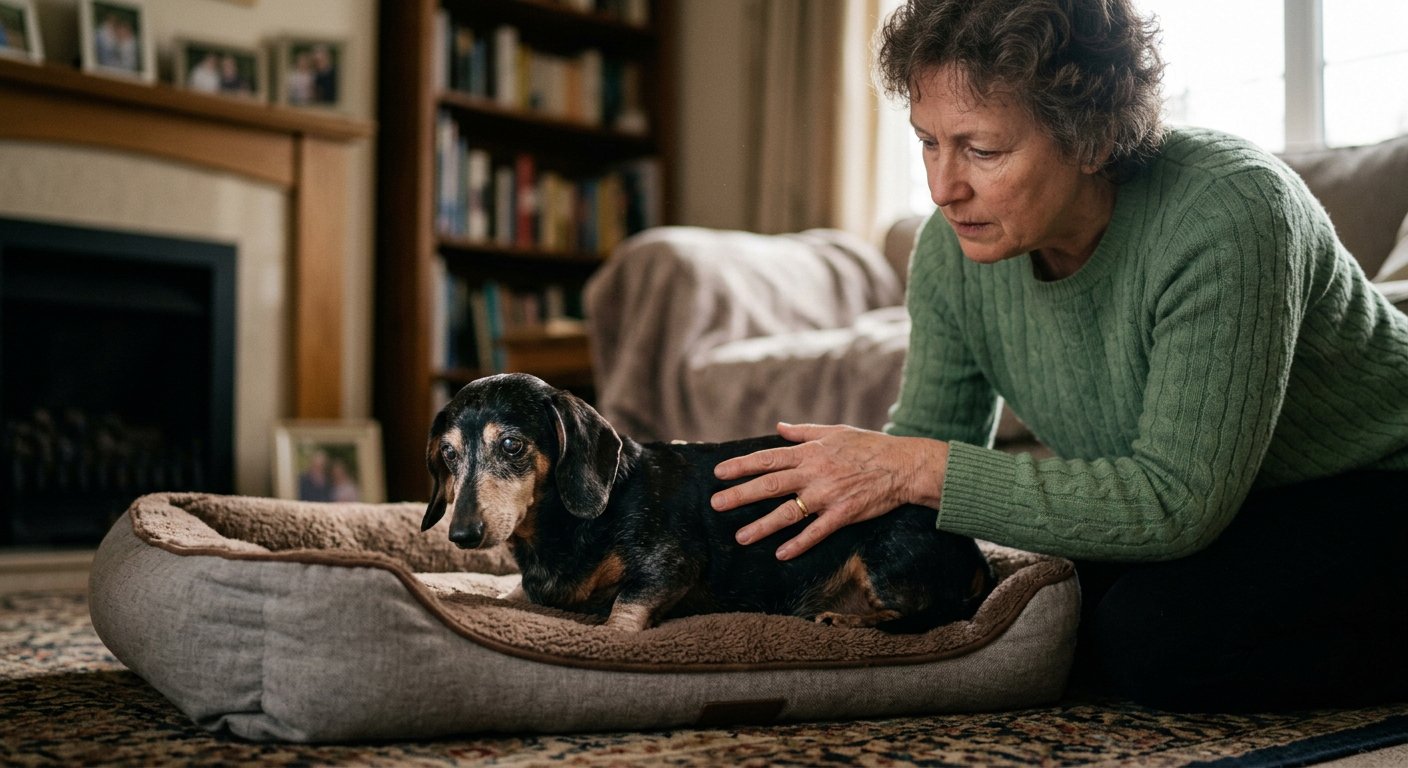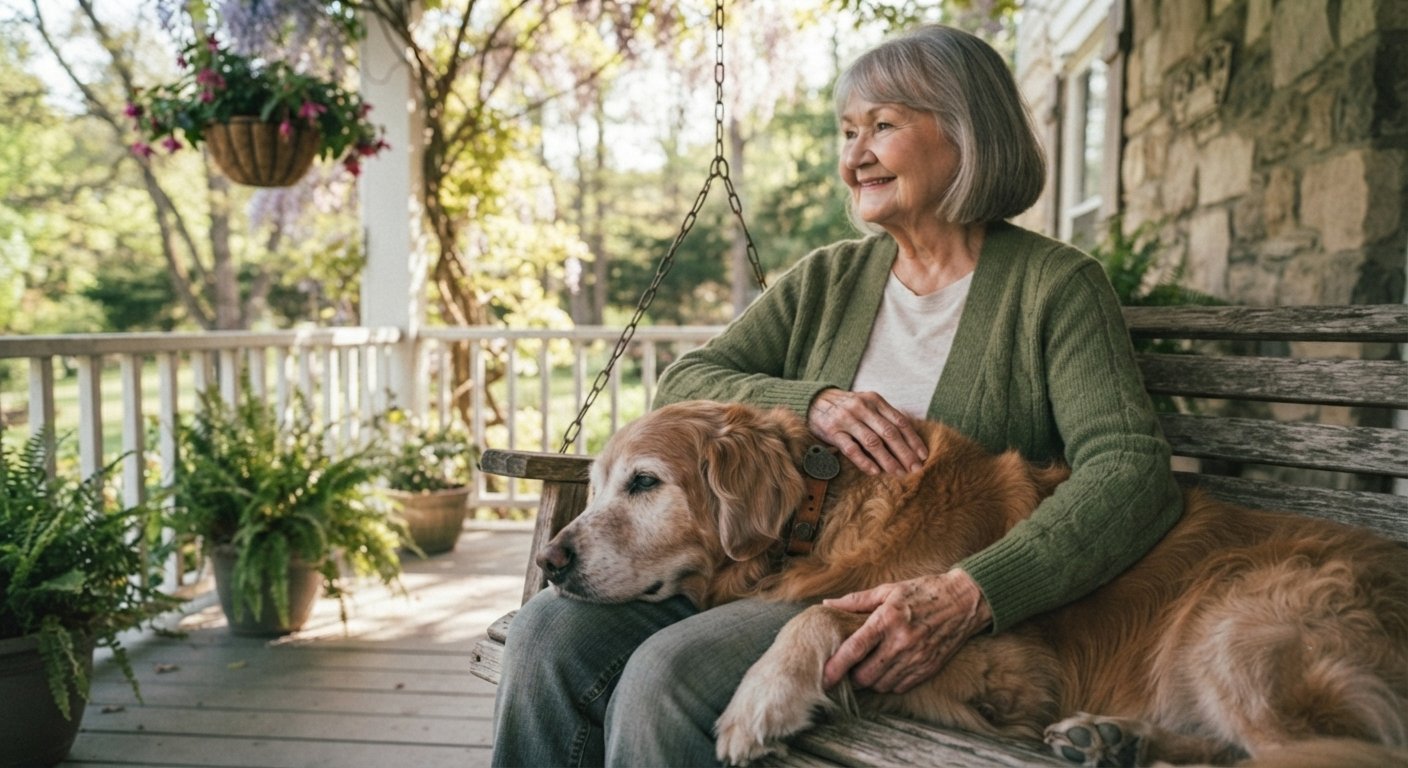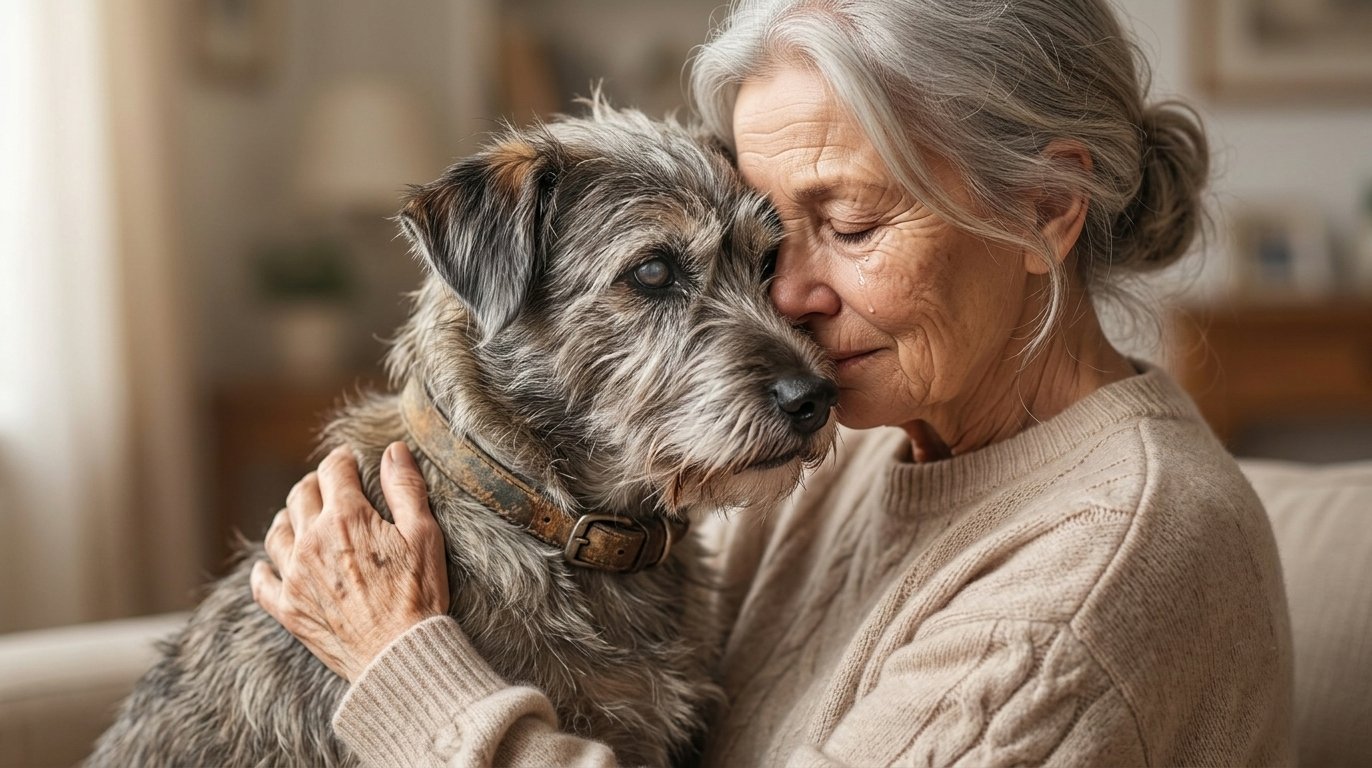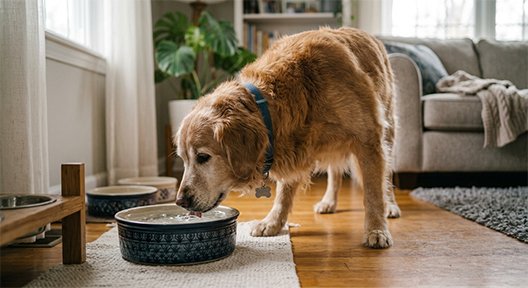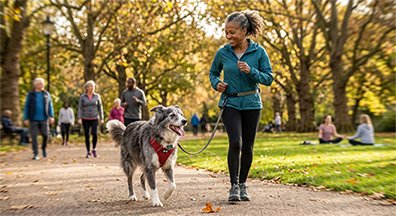
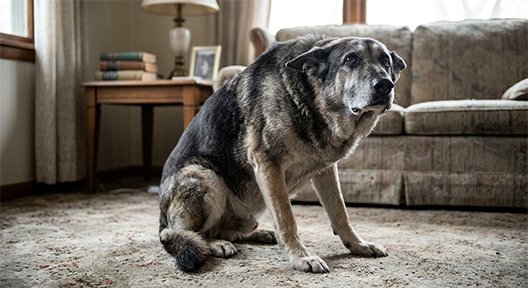
As dogs grow older, many owners notice changes that go beyond normal aging — restlessness at night, increased anxiety, confusion, or a loss of interest in familiar routines. These shifts can be signs of senior dog anxiety or Canine Cognitive Dysfunction (CCD), sometimes called doggy dementia. This guide explains the common signs, possible causes, and practical ways to support your dog’s brain health and emotional well-being so they can stay more comfortable and connected in their later years.
Months later, they seem different.
They pace through the house at night. They stare into corners. They become restless for no obvious reason or suddenly seem anxious when left alone. They may forget familiar routines or stand in the middle of the room looking confused.
For many owners, these changes are heartbreaking.
The first thought is often:
“Is this simply old age?”
Sometimes it is.
Sometimes it’s arthritis causing pain. Sometimes it’s reduced hearing or eyesight. And sometimes these changes are linked to Canine Cognitive Dysfunction (CCD)—a condition often compared to dementia in people.
The encouraging news is that many senior dogs continue living happy, meaningful lives when these changes are recognized early and managed with patience, thoughtful home care, and guidance from a veterinarian.
This guide brings together the latest understanding of senior dog anxiety and cognitive health, practical ways to support your dog at home, and signs that it’s time to seek veterinary advice.
At Simply Chea, our goal isn’t to promise miracle cures. It’s to help you make informed decisions so your dog can enjoy their golden years with as much comfort and dignity as possible.
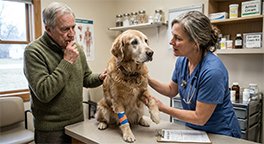
“Many senior dogs experience changes in behavior as they age, but with understanding, veterinary care, and supportive routines, they can continue to enjoy a happy and fulfilling life.”
In This Guide
In this comprehensive guide, you’ll learn:
- What causes anxiety in senior dogs
- How to recognize early signs of Canine Cognitive Dysfunction (CCD)
- Daily routines that can reduce stress
- Ways to create a calmer home environment
- Nutrition and supplements that may support brain health
- When it’s time to contact your veterinarian
- Helpful products that can improve your dog’s comfort and quality of life
Why Do Senior Dogs Become Anxious?
Anxiety isn’t a disease by itself.
It’s often a sign that something else has changed.
As dogs age, their bodies and brains go through many natural changes that can make the world feel confusing or uncomfortable.
Some causes are temporary.
Others require ongoing management.
Understanding the reason behind your dog’s behavior is the first step toward helping them.
Studies suggest that cognitive dysfunction affects a significant proportion of older dogs, with prevalence increasing as dogs age.
Common Causes of Anxiety in Older Dogs
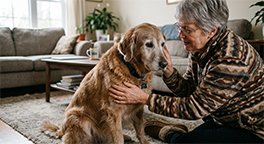
1. Chronic Pain
Pain is one of the most overlooked causes of anxiety.
Dogs with arthritis rarely cry or complain.
Instead, they may:
- Pace around the house
- Become restless
- Avoid stairs
- Seem irritable
- Struggle to settle comfortably
Pain can make even familiar environments feel stressful.
 7 Signs Your Senior Dog Might Be in Pain (And What Actually Helps)
Free Senior Dog Comfort Checklist
📄 Free Printable Companion Guide: Is your senior companion struggling with anxiety, pacing, or restlessness? Don’t rely on memory for your next vet visit. Enter your email below to get our comprehensive, room-by-room Senior Dog Comfort Checklist sent straight to your inbox.
2. Vision Loss
Imagine waking up in your own home but finding everything slightly darker than yesterday.
That’s how gradual vision loss can feel.
Senior dogs may become anxious because they:
- bump into furniture
- hesitate entering rooms
- avoid stairs
- become startled easily
Simple changes like improving lighting and avoiding rearranging furniture often help.
3. Hearing Loss
Dogs rely heavily on sound.
As hearing fades, they may become more dependent on sight and smell.
Many become startled when approached unexpectedly.
Others become clingier because they seek reassurance.
4. Canine Cognitive Dysfunction (CCD)
CCD affects the aging brain.
Changes within the brain can gradually affect:
- memory
- learning
- awareness
- sleep patterns
- social interactions
This isn’t something owners cause.
It’s a medical condition that deserves understanding—not frustration.
We’ll explore CCD in more detail shortly.
5. Changes in Routine
Senior dogs often find comfort in predictability.
Moving house.
A new family member.
Different feeding times.
Longer periods alone.
Even small changes can increase anxiety.
6. Separation Anxiety
Some older dogs become unusually attached to their owners.
They may:
- follow you constantly
- bark when you leave
- pace while you’re away
- struggle to settle
This can sometimes develop alongside cognitive decline.
Early Signs of Senior Dog Anxiety
Many signs are subtle.
Dogs don’t always express emotional stress in obvious ways.
Watch for gradual changes such as:
Behaviour
- Pacing
- Restlessness
- Excessive panting
- Whining
- Barking without an obvious reason
- Following you constantly
- Becoming withdrawn
- Hiding
Sleep
- Awake during the night
- Sleeping more during the day
- Wandering after dark
- Difficulty settling
Eating
- Reduced appetite
- Eating at unusual times
- Drinking more or less
Social Changes
- Less interested in visitors
- Easily startled
- Avoiding interaction
- Increased clinginess
Physical Changes
- Trembling
- Excessive licking
- Repetitive pacing
- Changes in posture
One symptom alone doesn’t necessarily indicate anxiety.
Patterns developing over weeks or months are much more meaningful.
Could It Be Canine Cognitive Dysfunction?
One of the most common causes of behavioural change in older dogs is Canine Cognitive Dysfunction (CCD).
Think of CCD as the canine equivalent of age-related cognitive decline.
As the brain ages, changes in nerve cells and brain chemistry affect how information is processed.
Dogs may begin forgetting familiar routines.
They may appear confused in places they’ve known for years.
They may struggle with sleep or interaction.
Recognizing these changes early allows owners and veterinarians to work together to improve quality of life.
| Normal Aging | Possible Medical Problem |
|---|---|
| Sleeps more | Wanders all night |
| Slower walks | Paces constantly |
| Takes longer to hear | Appears confused |
| Less playful | Gets trapped in corners |
The DISHAA Checklist
Veterinarians often use the DISHAA framework when assessing possible cognitive decline.
D — Disorientation
Your dog may:
- stare at walls
- become trapped behind furniture
- appear lost in familiar rooms
I — Interaction Changes
Your dog may:
- seek less affection
or
- suddenly become unusually clingy.
S — Sleep Changes
Sleeping all day.
Wandering all night.
Difficulty settling.
H — House Soiling
Previously house-trained dogs may begin having accidents indoors.
A — Activity Changes
Some dogs become restless.
Others lose interest in walks or play.
A — Anxiety
Increased nervousness.
Fear.
Pacing.
Vocalisation.
See Animal Humane Society CCD for more information.
If several of these signs appear together, it’s worth arranging a veterinary examination.
Early intervention often provides the best opportunity to improve quality of life.
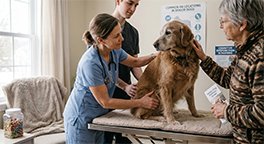
When Should You Contact Your Veterinarian?
Don’t wait until your dog seems severely affected.
Arrange a veterinary appointment if your dog:
- suddenly becomes anxious
- develops night pacing
- stops eating
- appears confused
- has repeated accidents indoors
- becomes aggressive without explanation
- seems painful when moving
Many medical conditions—including arthritis, thyroid disease, hearing loss, vision changes, infections, and neurological disorders—can mimic anxiety or cognitive decline.
Your veterinarian can help identify the underlying cause and recommend the most appropriate treatment plan.
Frequently Asked Questions
Is anxiety normal in senior dogs?
Occasional nervousness can happen as dogs age, especially during changes in routine or unfamiliar situations. However, persistent anxiety, pacing, confusion, excessive vocalization, or sudden behavior changes are not considered a normal part of aging. These symptoms often indicate an underlying medical or behavioral issue that should be discussed with your veterinarian.
What causes anxiety in older dogs?
Senior dog anxiety can have many causes, including:
- Arthritis or chronic pain
- Vision or hearing loss
- Canine Cognitive Dysfunction (CCD)
- Changes in daily routine
- Separation anxiety
- Hormonal or neurological disorders
- Certain medications or illnesses
Finding the underlying cause is the first step toward helping your dog feel more comfortable.
Can arthritis make my senior dog anxious?
Yes. Dogs living with chronic pain often become restless, irritable, or anxious. They may pace around the house, struggle to settle, avoid stairs, or become less interested in activities they once enjoyed. Managing pain effectively can often reduce anxiety as well.
“If traditional foam bedding isn’t giving them enough relief to settle down, active therapy may be required. Read our full analysis of the Dog Cloud Massage Bed to see how its veterinarian-backed circulation technology is helping owners manage chronic nighttime arthritis anxiety at home.”
How do I know if my dog has Canine Cognitive Dysfunction (CCD)?
CCD can cause gradual changes such as:
- Wandering or pacing, especially at night
- Getting stuck behind furniture
- Forgetting familiar routines
- Staring into corners or walls
- House-training accidents
- Changes in sleep patterns
- Increased anxiety or confusion
Only a veterinarian can diagnose CCD after ruling out other medical conditions with similar symptoms.
Can anxiety in senior dogs be treated?
In many cases, yes. Treatment depends on the underlying cause and may include:
- Managing pain or arthritis
- Environmental adjustments
- Consistent daily routines
- Prescription medications
- Therapeutic diets
- Mental enrichment
- Nutritional supplements recommended by your veterinarian
Many senior dogs continue to live happy, fulfilling lives with the right care plan.
When should I take my senior dog to the veterinarian?
Schedule an appointment if your dog suddenly develops anxiety or if you notice:
- Nighttime pacing
- Confusion or disorientation
- Changes in appetite
- House-training accidents
- Aggression or unusual behavior
- Excessive vocalization
- Difficulty sleeping
- Signs of pain
Early diagnosis often leads to better management and improved quality of life.
Can diet affect my senior dog’s brain health?
A balanced diet supports overall health, and some therapeutic diets formulated for cognitive support may help certain dogs when recommended by a veterinarian. Omega-3 fatty acids and other nutrients are sometimes included as part of a comprehensive care plan, but nutrition works best alongside veterinary care and appropriate lifestyle adjustments.
Is anxiety always a sign of dementia?
No. While anxiety can be one symptom of Canine Cognitive Dysfunction, it can also result from pain, vision loss, hearing loss, thyroid disease, infections, medication side effects, or other medical conditions. That’s why it’s important not to assume dementia without a proper veterinary examination.
Can I help my senior dog feel calmer at home?
Yes. Many dogs benefit from simple changes such as:
- Keeping a consistent daily routine
- Providing soft, comfortable bedding
- Using night lights to improve visibility
- Avoiding sudden changes to furniture placement
- Offering gentle mental enrichment
- Reducing loud or stressful environments
- Working closely with your veterinarian to manage any medical conditions
Small changes can make a significant difference in your dog’s comfort and confidence.
“Note on Bedding: While a soft orthopedic bed cushions sore joints, dogs pacing from cognitive dysfunction or joint inflammation often need active physical therapy to drop their stress levels. If basic bedding isn’t working, you can check out our deep-dive Dog Cloud Massage Bed Review to learn how active mechanical wave therapy helps soothe restless senior dogs.”
Continue learning about senior dog brain health with these helpful guides:
- Canine Cognitive Dysfunction (CCD) in Senior Dogs: Symptoms, Diagnosis & Living Well
- 7 Signs Your Senior Dog Might Be in Pain (And What Actually Helps)
- Is CBD Safe for Senior Dogs?
Additional References
- American Animal Hospital Association (AAHA)
- American College of Veterinary Behaviorists (ACVB)
- WSAVA Global Nutrition Guidelines
- Merck Veterinary Manual
- Veterinary Partner (VIN)
This article is for general information only and is not veterinary advice. We are not veterinarians. Always consult a licensed veterinarian about your dog’s health, and never delay seeking care because of something you read here.
Last updated: July 2026. We research independently. Some links are affiliate links — this costs you nothing and helps fund our work.